







Testosterone Therapy for Low T
Using WHOOP 4.0 to Optimize Your Testosterone Levels and Heart Rate Variability.

Testosterone Therapy for Low T
Using WHOOP 4.0 to Optimize Your Testosterone Levels and Heart Rate Variability.
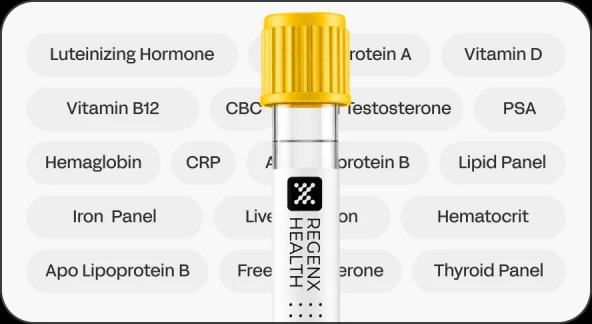
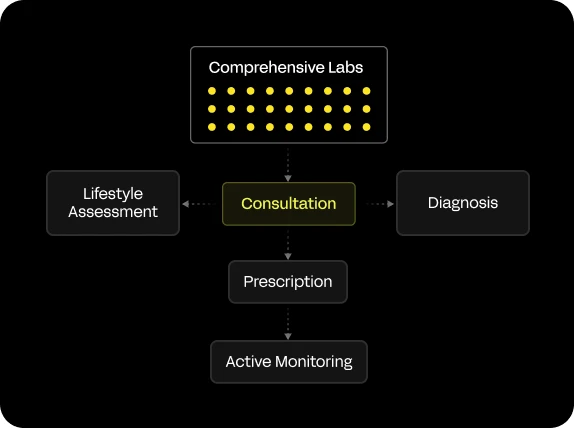
A testosterone blood test doesn't explain why testosterone is low. REGENX Health's 65+ biomarker panel identifies the root cause, rules out other conditions, and establishes the baseline every decision depends on.

Low testosterone in men is associated with an elevated risk of all-cause mortality. For men diagnosed with low T, testosterone replacement can significantly improve overall health and quality of life. Low testosterone is associated with the following risks:



Total testosterone measures the combined sum of both bound and unbound testosterone circulating in the blood. It is the gold-standard diagnostic marker recognized by the American Urological Association and the Endocrine Society for confirming low testosterone.
Free testosterone measures the biologically active portion of testosterone not bound to carrier proteins. It is essential for men who report low T symptoms despite normal total testosterone levels, and for those with elevated SHBG. Free testosterone testing clarifies whether available hormone levels are sufficient to support normal function.
IGF-1 is a powerful hormone produced by the liver in response to growth hormone. IGF-1 mediates muscle growth, athletic recovery, supports fat loss, and improves healing. Growth hormone secretagogue peptides such as Sermorelin, Tesamorelin, and CJC 1295 increase endogenous IGF-1. Measuring IGF-1 supports the management of peptide therapy and informs decision-making.
SHBG is a protein that binds testosterone with high affinity, reducing the amount of free, biologically active hormone available to tissues. Conditions that can raise SHBG include aging, liver disease, weight loss, hyperthyroidism, and SERM use. Measuring SHBG is essential for interpreting total testosterone results and determining true hormone bioavailability.
Estradiol is the predominant form of estrogen in men and plays a direct role in libido, erectile function, bone density, and vascular health. Testosterone converts to estradiol through aromatase, and patients on TRT can experience rising estradiol levels that, if left unmonitored, can undermine treatment outcomes. Estradiol management is central to safe testosterone therapy.
LH is produced by the anterior pituitary gland and stimulates testosterone production in the Leydig cells of the testes. Measuring LH before starting testosterone replacement therapy (TRT) helps determine whether testosterone deficiency etiology is primary or secondary and can guide the selection of the most appropriate treatment to increase serum testosterone.
FSH is the primary gonadotropin responsible for sperm production. Men considering TRT who wish to preserve fertility must have FSH measured before treatment begins, as testosterone therapy suppresses FSH. FSH levels also serve as a monitoring marker for patients on enclomiphene or post-cycle therapy to confirm signaling pathways are intact and responsive.
DHT is a powerful hormone that is derived from testosterone. Testosterone is converted to DHT by an enzyme called 5-alpha reductase. DHT has 3-5 times the affinity for the androgen binding site compared to testosterone. DHT plays a pivotal role in puberty, prostate growth, and male pattern baldness. Finasteride, a 5-alpha-reductase inhibitor, blocks the conversion of testosterone to DHT, helping restore and maintain hair.
Prolactin is a hormone secreted by the anterior pituitary that regulates male sexual function. When low testosterone presents below a specific threshold, alongside a low LH level, prolactin measurement is required to rule out a prolactinoma or other pituitary pathology as the underlying cause. This step prevents misdiagnosis and ensures the correct treatment pathway.
Albumin is a circulating protein that weakly binds testosterone for transport and storage. Free testosterone combined with albumin-bound testosterone constitutes bioavailable testosterone. Measuring albumin provides a complete picture of the amount of testosterone available to tissues.
Hemoglobin and hematocrit establish baseline red blood cell levels before TRT begins. Testosterone therapy can raise these values, and ongoing monitoring is essential to detect therapy-induced erythrocytosis early. Elevated levels may also point to sleep apnea, polycythemia vera, or other conditions requiring evaluation prior to treatment.

A comprehensive metabolic panel evaluates 14 biomarkers covering electrolytes, kidney function, liver function, blood glucose, and protein levels. Impairments in any of these systems can produce symptoms that mimic low testosterone. A comprehensive metabolic lab panel evaluation confirms overall metabolic health and rules out secondary causes before treatment begins.
The thyroid gland produces hormones that regulate energy, metabolism, cholesterol, libido, and heart rate. Many symptoms of low testosterone overlap with hypothyroidism, and thyroid dysfunction directly affects SHBG blood test results, which alters free testosterone availability. A full thyroid panel with TSH is essential for accurate diagnosis and treatment planning.
HbA1c measures average blood glucose control over the past several months. Low testosterone is commonly associated with insulin resistance, and men with undiagnosed diabetes frequently present with symptoms that resemble low T. HbA1c is a critical screening tool for distinguishing between hormonal and metabolic contributors.
Cortisol is a stress hormone produced by the adrenal glands. Chronic elevation suppresses testosterone production directly. Measuring cortisol alongside the standard lab evaluation identifies stress-related root causes of low T, providing a clearer clinical picture and informing lifestyle recommendations alongside treatment.
DHEA is a necessary hormonal precursor for both testosterone and estrogen production. Suboptimal DHEA levels can limit the body's ability to produce adequate testosterone. Measuring DHEA is particularly valuable for men pursuing natural testosterone optimization or treatment with SERMs such as clomid or enclomiphene.
Progesterone supports brain function, sperm production, and bone health in men, and serves as a precursor in the testosterone production pathway. Evaluating progesterone levels helps guide treatment planning for men seeking to improve testosterone naturally, particularly when SERM protocols are under consideration.

Total cholesterol measures the combined level of LDL, HDL, and triglycerides in the blood. It is a primary indicator of cardiovascular risk and dietary control. Research shows testosterone therapy in men can decrease total cholesterol and LDL while raising HDL, particularly when combined with a diet low in saturated fats and regular cardiovascular exercise.
LDL carries cholesterol through the bloodstream and is strongly associated with heart disease, stroke, and the development of arterial plaques. Men with low testosterone frequently present with abnormal LDL levels, making a baseline measurement essential before initiating TRT. Regular monitoring during therapy allows physicians to optimize treatment and confirm that dietary improvements are producing measurable results.
HDL removes cholesterol from the arteries through a process known as reverse cholesterol transport, reducing the risk of plaque buildup and cardiovascular disease. HDL also supports immune function and cellular health. Higher HDL levels are a protective marker, and improving testosterone status is one factor that can positively influence HDL in men.
Triglycerides are the most common type of fat in the body and store energy derived from the diet. Elevated triglycerides signal increased cardiovascular and stroke risk, and low testosterone is associated with higher triglyceride levels. Testosterone therapy has been shown to reduce lipoprotein lipase activity, decreasing triglyceride uptake into fat cells.
hs-CRP detects low levels of systemic inflammation and is a key predictor of cardiovascular risk and atherosclerosis development. In men, elevated hs-CRP is commonly associated with lower testosterone. Chronic inflammation can suppress testosterone production, while low testosterone further promotes inflammation, creating a cycle that lifestyle modifications and appropriate treatment can interrupt.
Homocysteine is an amino acid formed when the body breaks down methionine, a protein found in foods like meat, fish, and dairy. Normally, the body converts homocysteine into other useful substances. However, when this process doesn’t work properly, homocysteine levels can rise. Elevated homocysteine is often linked to genetic variations in the MTHFR enzyme, which plays a key role in processing it. High levels are associated with an increased risk of cardiovascular disease, dementia, cognitive decline, inflammation, and blood clot formation.
Apolipoprotein B encapsulates and transports LDL cholesterol through the bloodstream. Each atherogenic lipoprotein particle contains exactly one ApoB molecule, making it a direct count of potentially harmful cholesterol particles and a superior predictor of cardiovascular events compared to standard LDL measurement alone. Research indicates a significant inverse relationship between ApoB and total testosterone levels.
Apolipoprotein A is the primary structural protein of HDL cholesterol. It drives reverse cholesterol transport, removing cholesterol from arterial walls and delivering it to the liver for disposal. Higher ApoA-I levels are cardioprotective and associated with reduced atherosclerotic risk. Low ApoA-I and low testosterone are both independently associated with cardiovascular disease.

Vitamin D plays a direct role in testosterone and sperm production in addition to its well-established function in bone health. Men with vitamin D deficiency are significantly more likely to have low testosterone. Optimizing vitamin D levels supports hormonal health alongside other treatment interventions.
Vitamin B12 is essential for energy production, nerve function, and red blood cell synthesis. B12 deficiency commonly presents with fatigue that closely mirrors low testosterone symptoms. Sufficient B12 is also necessary for male fertility, with research linking low levels to impaired sperm production.
Magnesium is an essential dietary nutrient that the body uses for many biochemical processes, including energy production, muscle and nerve cell function, blood sugar and blood pressure regulation, and protein synthesis, among others. It also plays an important role in testosterone production and is essential for proper sleep, rest, and recovery. Low magnesium levels may be associated with lower total and free testosterone levels.
Iron supports energy metabolism, red blood cell production, and testicular function. Iron deficiency can present as anemia with symptoms indistinguishable from those of low testosterone. Adequate iron levels are necessary for proper testosterone production, making this panel an important component of a complete hormone workup.

PSA is a marker of prostate health required for patients over 40 who present with low testosterone. Contrary to a common misconception, testosterone therapy does not cause prostate cancer. Low testosterone is itself considered a risk factor for prostate cancer development. Baseline PSA measurement establishes a reference point for ongoing prostate monitoring during TRT.
A complete blood count establishes baseline hemoglobin and hematocrit for all patients evaluated for low testosterone. Elevated values can indicate polycythemia vera, sleep apnea, living at a high altitude or tobacco use. Because TRT raises these values, ongoing CBC monitoring is standard practice to detect erythrocytosis and guide dose adjustments or temporary treatment pauses.