






Testosterone Therapy for Low T
Using WHOOP 4.0 to Optimize Your Testosterone Levels and Heart Rate Variability.

Testosterone Therapy for Low T
Using WHOOP 4.0 to Optimize Your Testosterone Levels and Heart Rate Variability.



619+ Google Reviews
Online TRT backed by advanced lab testing, board-certified urologist oversight, and real patient results.
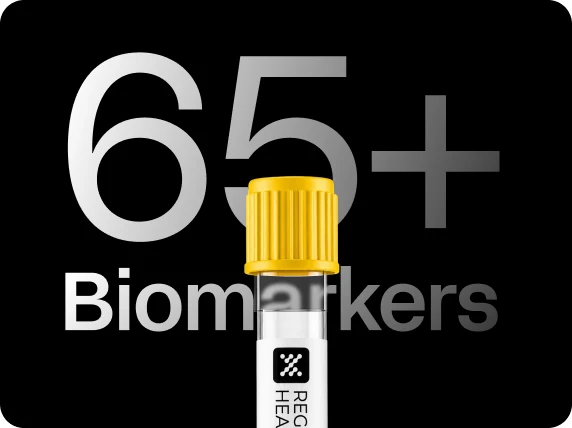
REGENX Health is an online TRT clinic where board-certified urologists lead every testosterone replacement therapy protocol, starting with a 65+ biomarker lab evaluation individualized to your goals, with direct physician-led care built for results.

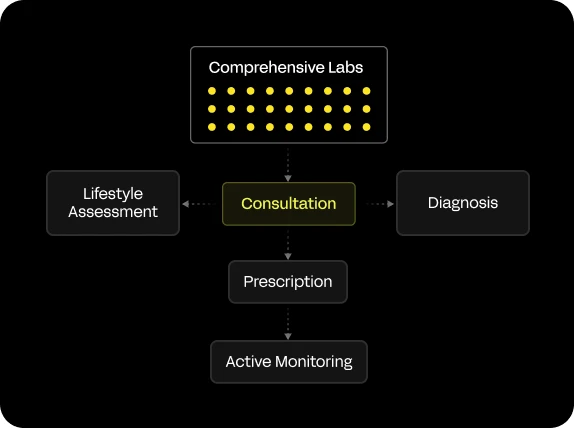
Diagnosing low testosterone requires a full clinical evaluation. Total and free testosterone levels and symptoms vary between individuals, which is why REGENX Health reviews symptoms, lifestyle, and medical history alongside the lab panel. This identifies the root cause of low T, confirms TRT suitability, and establishes the right protocol before treatment.
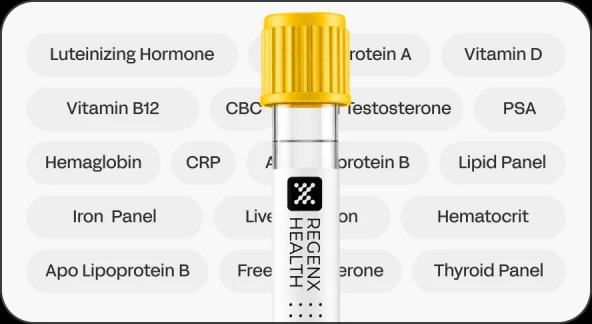
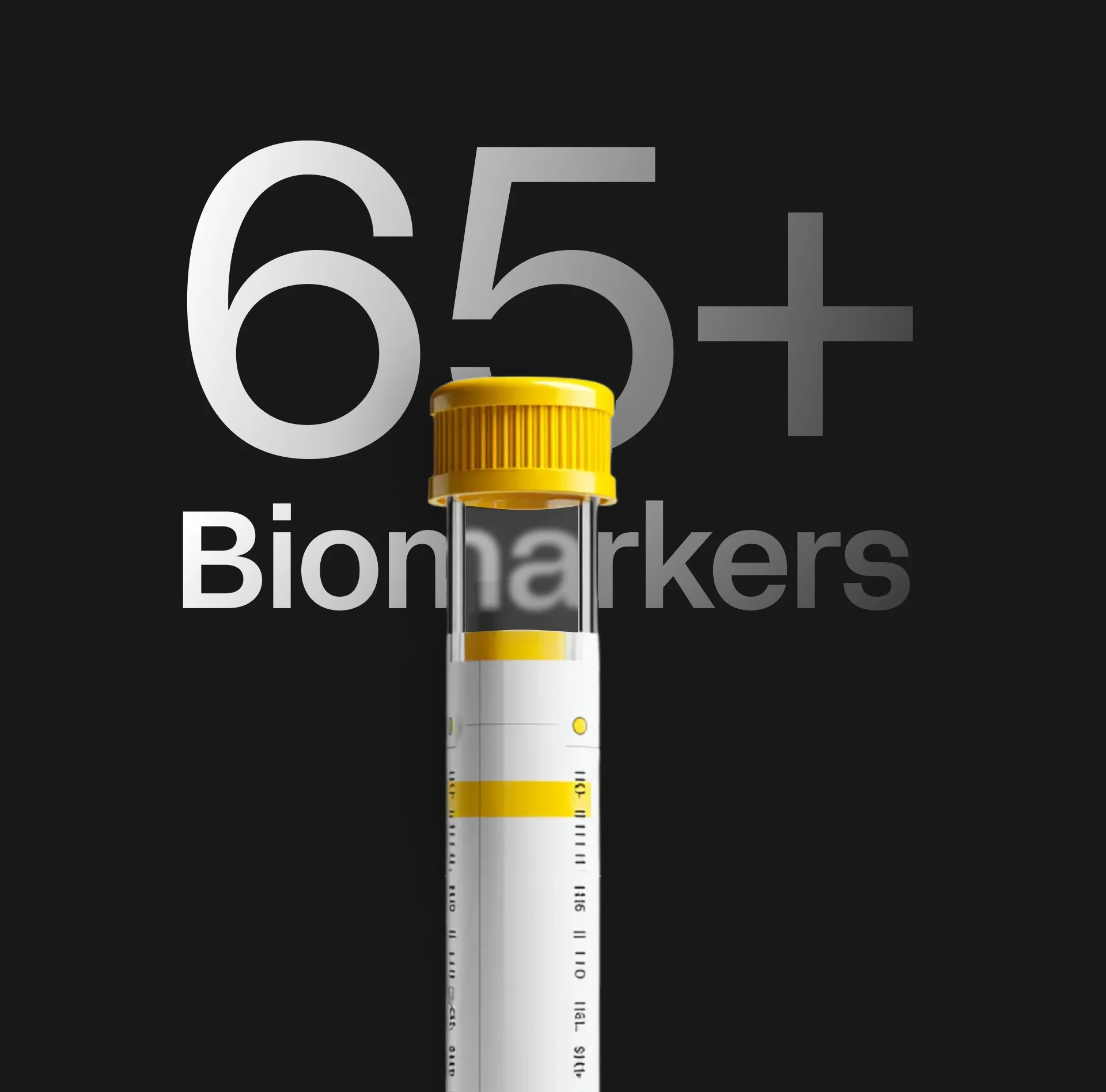
REGENX Health uses a 65+ biomarker panel to evaluate testosterone levels alongside metabolic, thyroid, cardiovascular, liver, kidney, and prostate markers. This goes beyond standard testosterone blood tests by ruling out conditions that mimic low T symptoms. The result is a clinical baseline that guides prescribing decisions and allows for accurate monitoring over time.
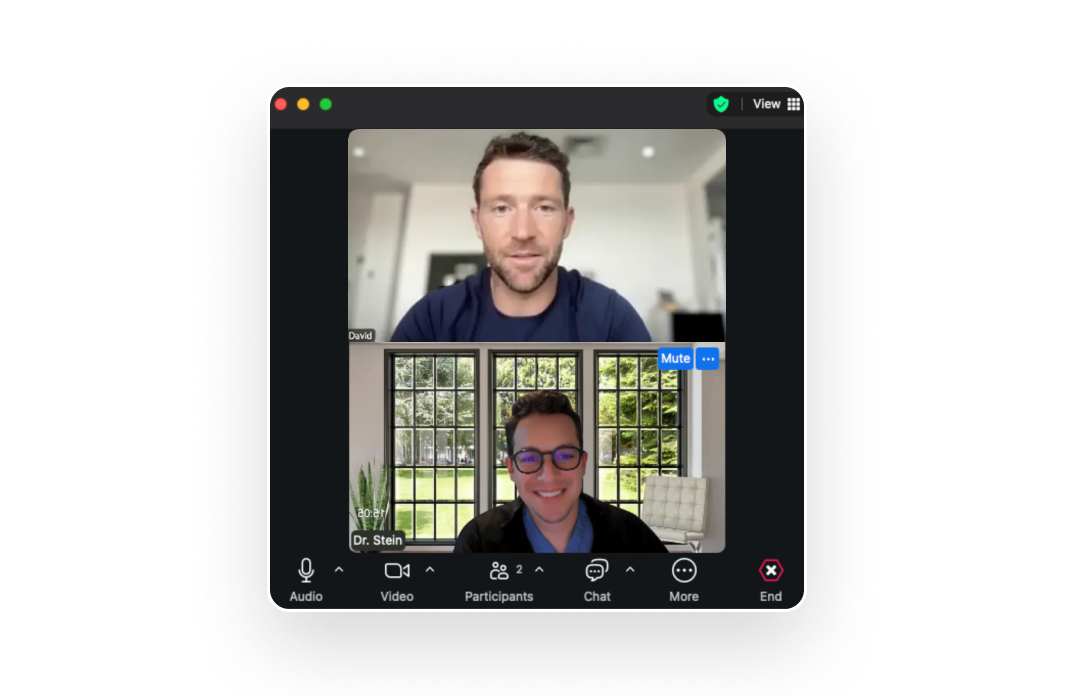
Every patient is managed directly by a board-certified urologist and not a nurse practitioner, physician assistant, or algorithm. Your physician reviews labs, adjusts therapy based on clinical response, and is available by text, call, or video. This model of direct physician oversight is how REGENX Health delivers safe, individualized care.
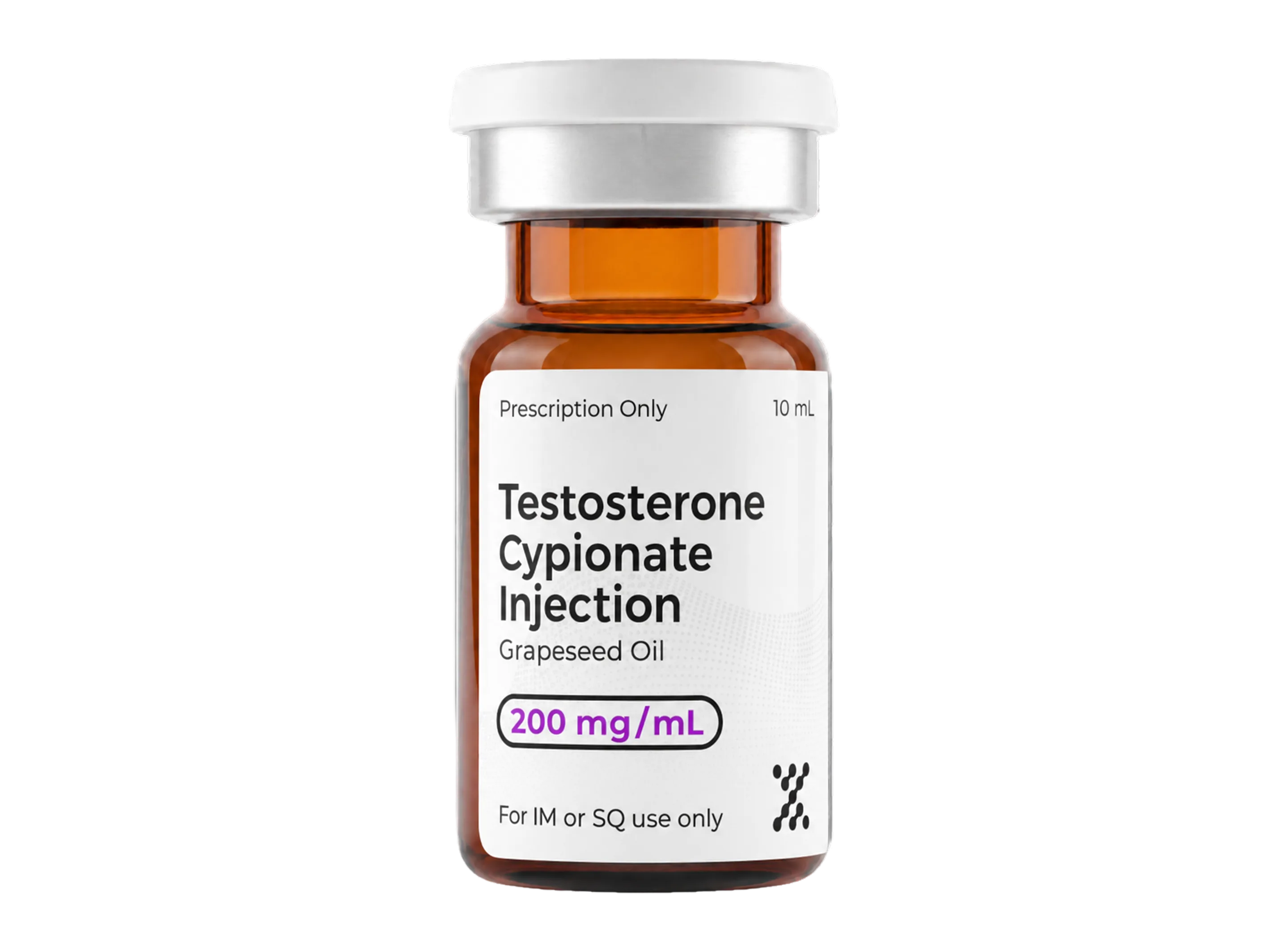
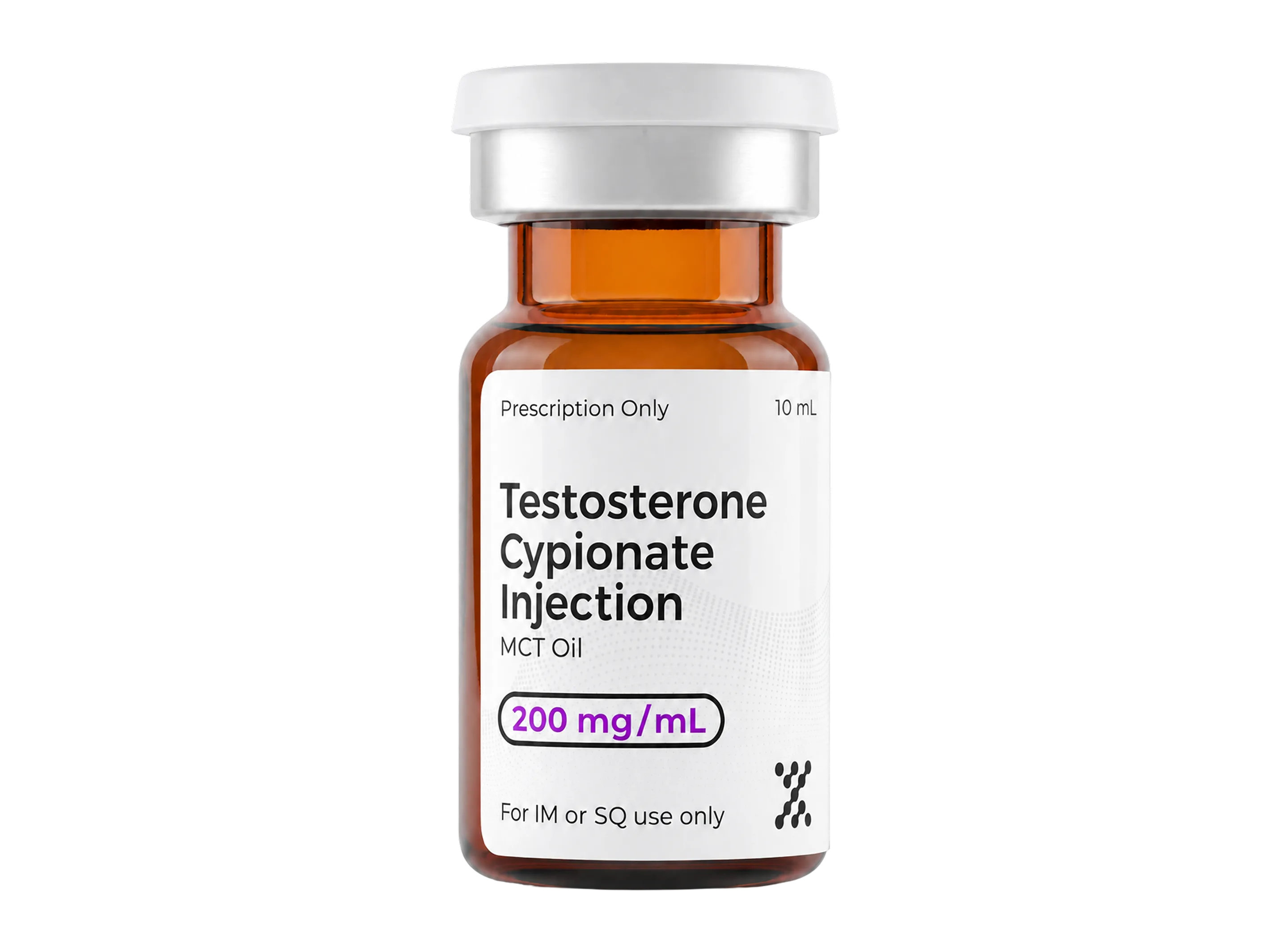
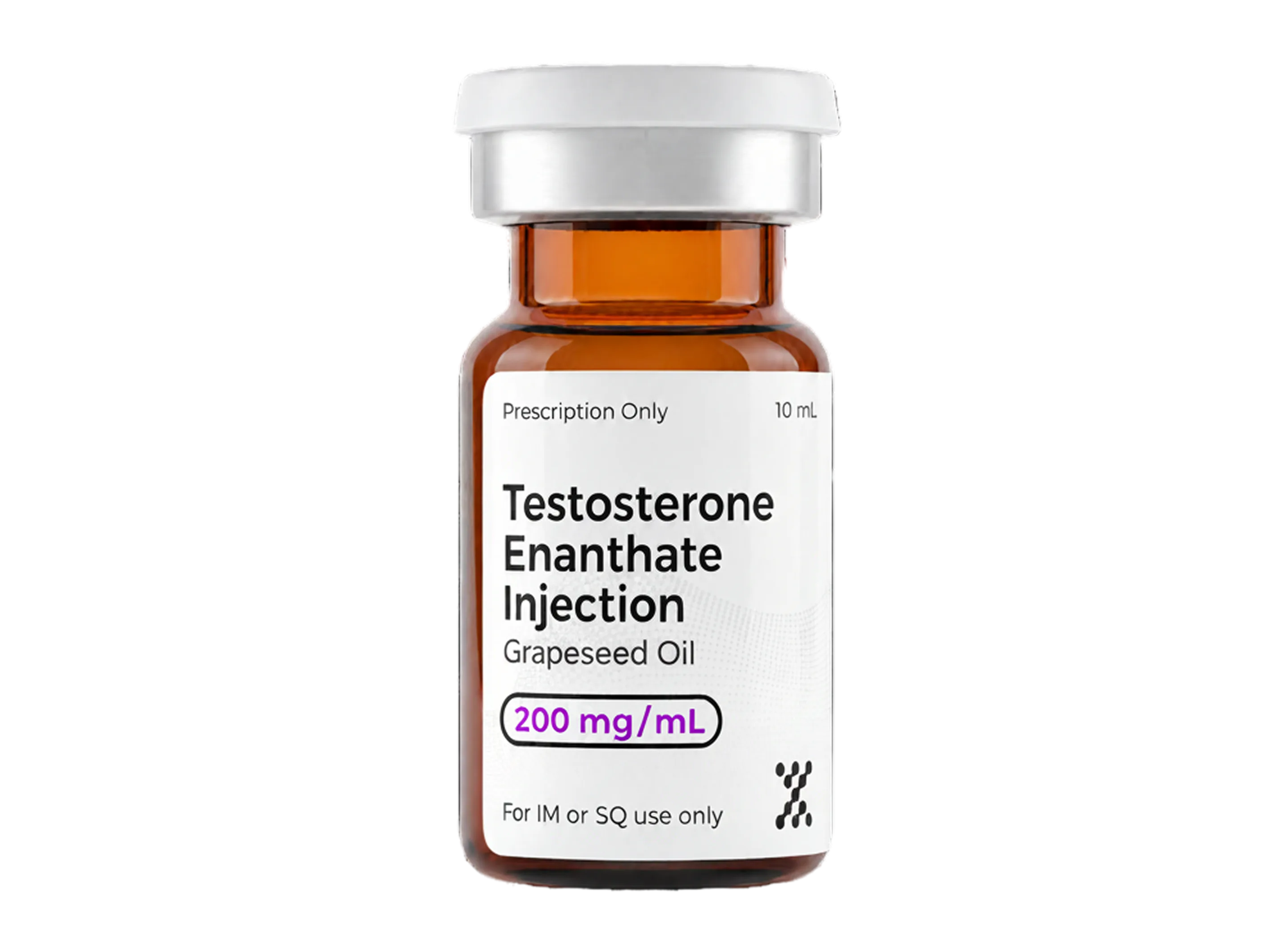
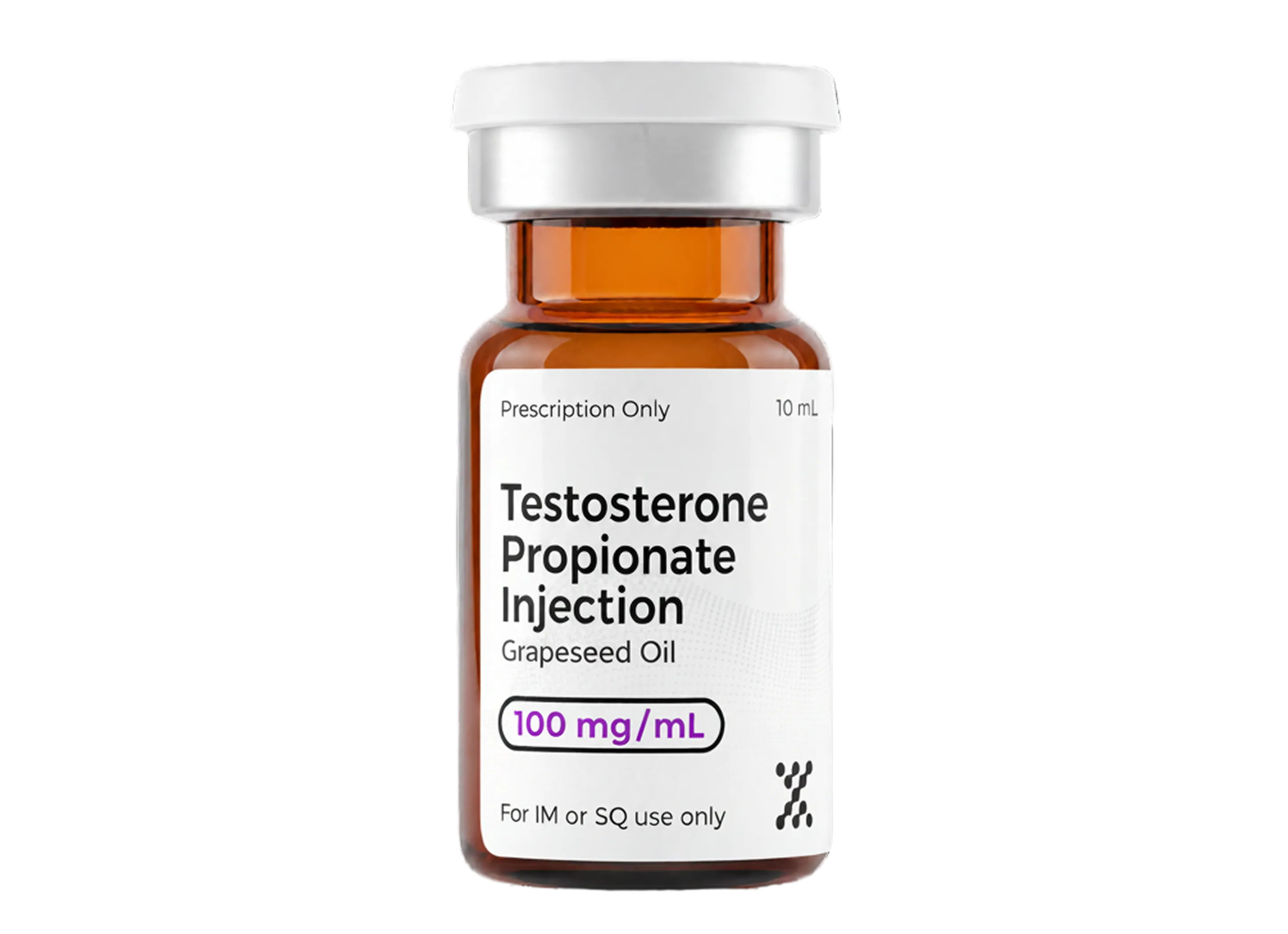
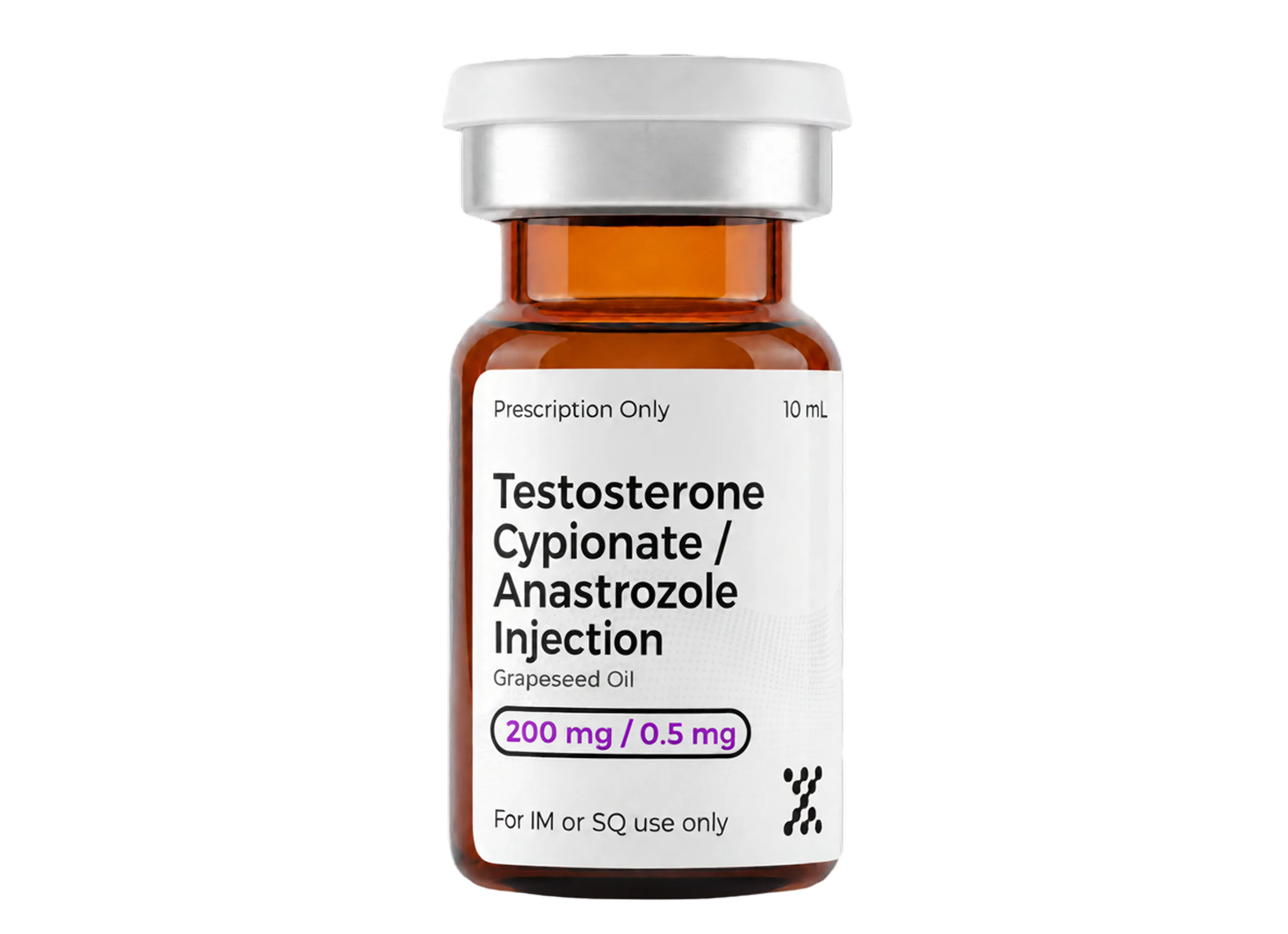
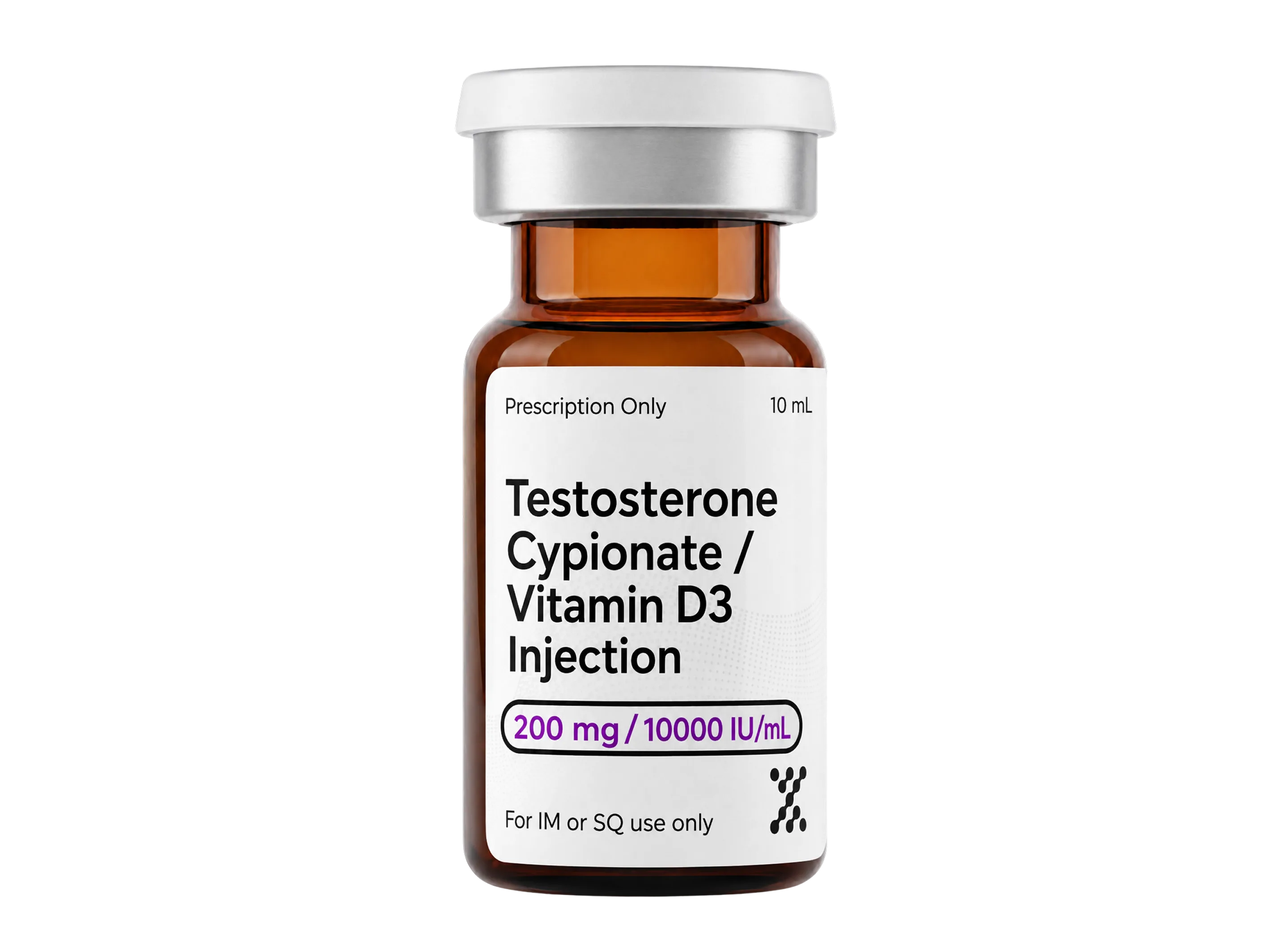
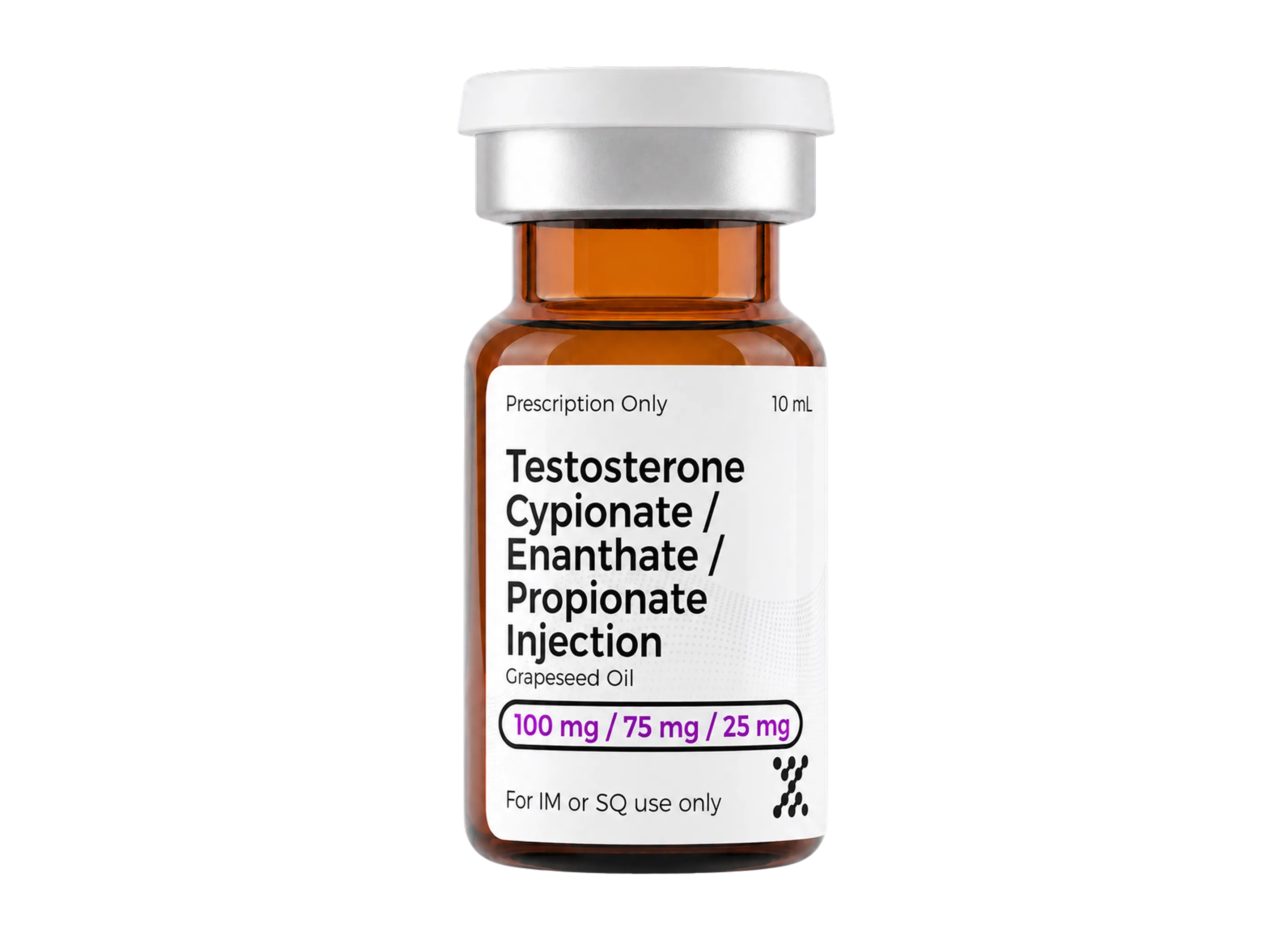
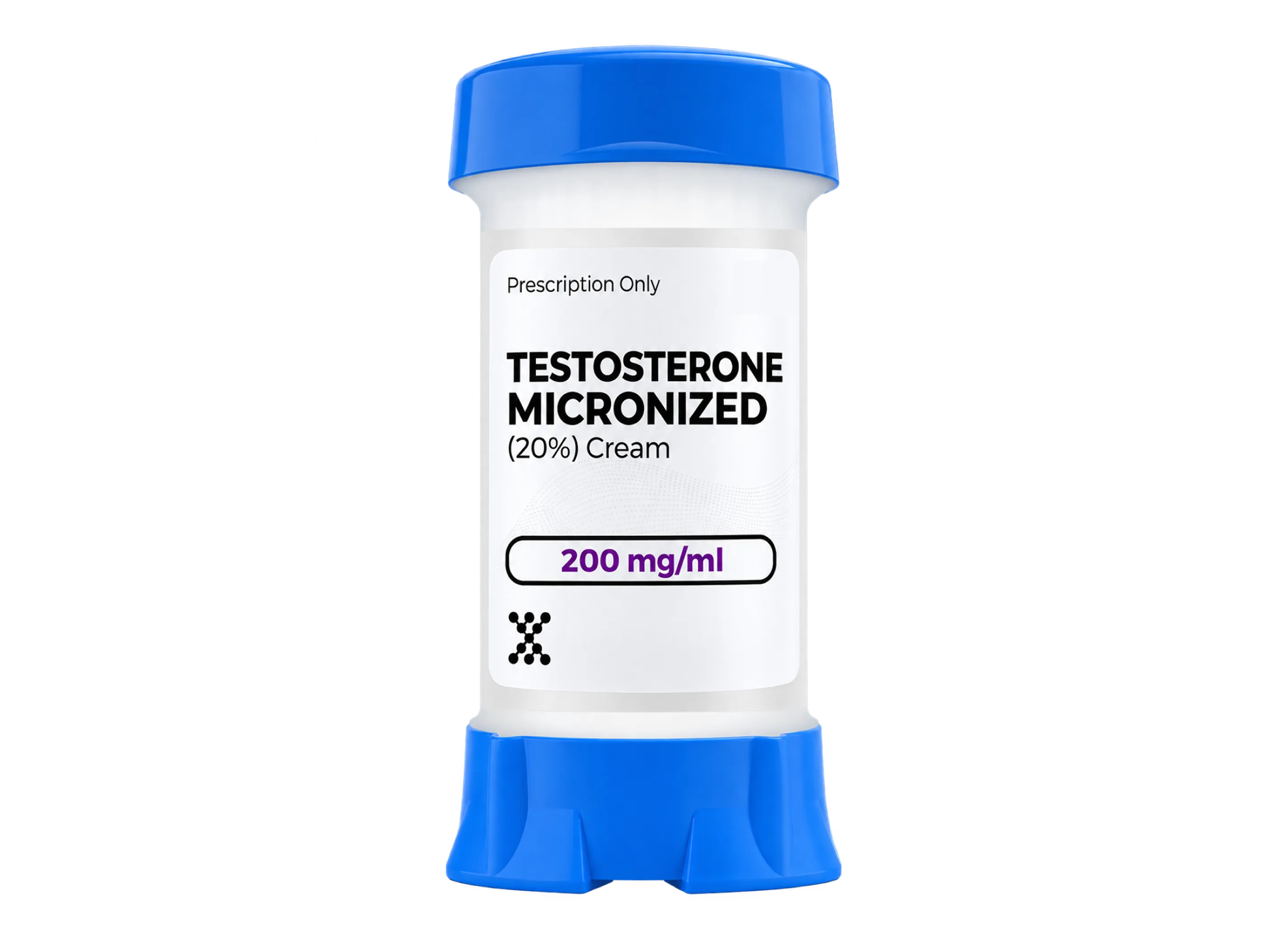
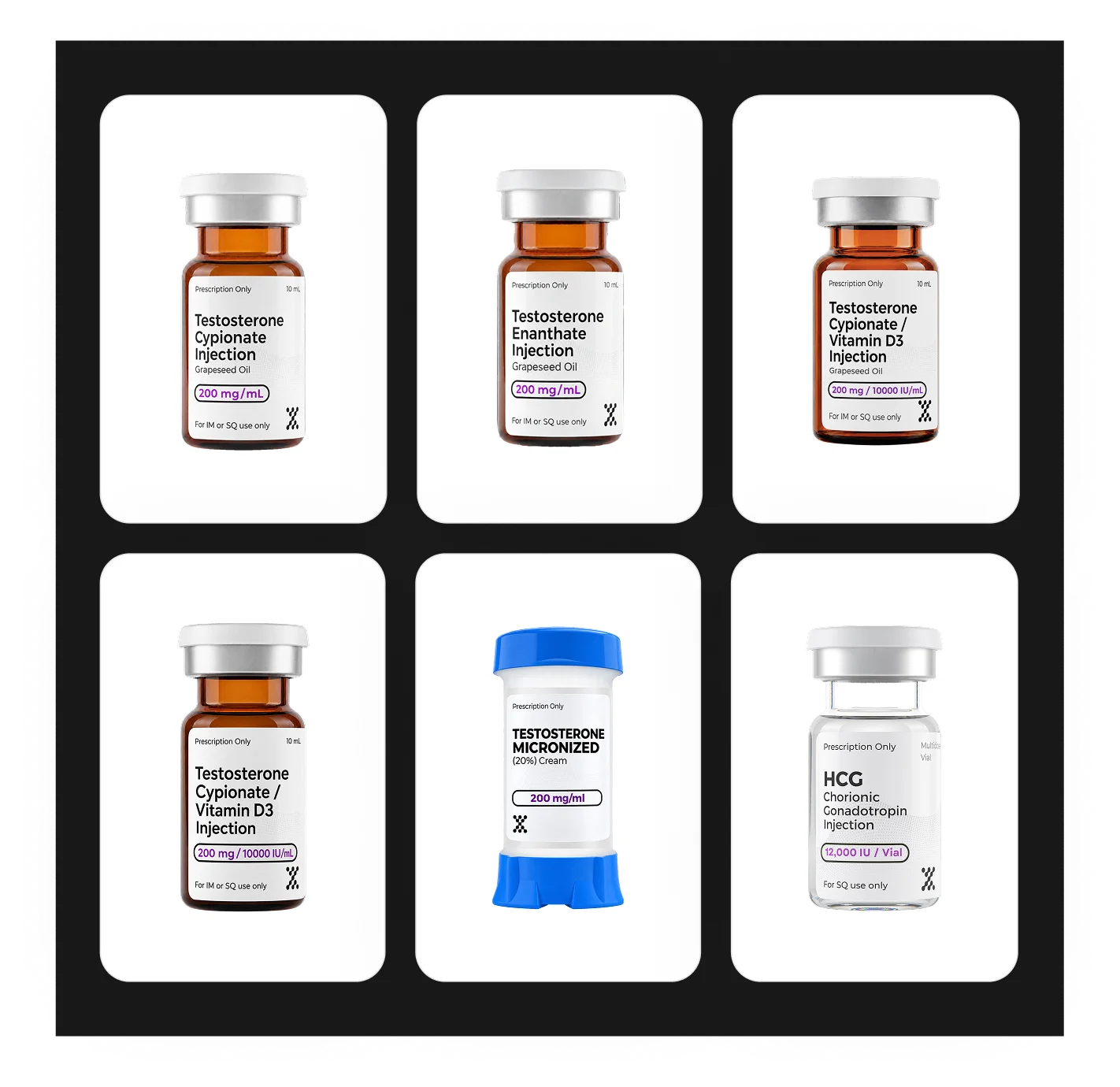
REGENX Health offers a full range of testosterone formulations, including Testosterone Cypionate (injectable), Oral Testosterone tablets, Natural Testosterone pills, Testosterone Micronized Cream, and combination protocols with ancillary medications. Your urologist individualizes dosages based on lab results, selects the optimal formulation, and adjusts therapy based on follow-up bloodwork and symptoms.
REGENX Health board-certified urologists provide personalized care for athletes, executives, and high performers at every level. Unlike typical TRT clinics, every treatment plan is lab-guided, directly physician-managed, and built around your needs, with no rigid protocols and no portal-only communication, for safer, stronger results.
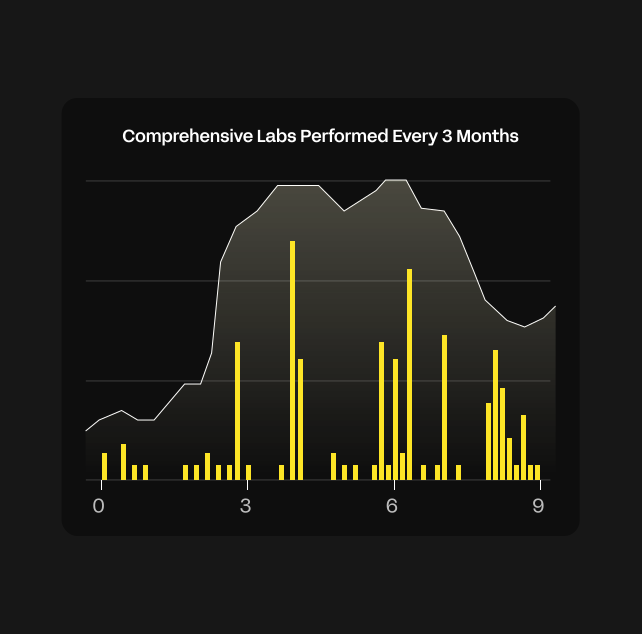
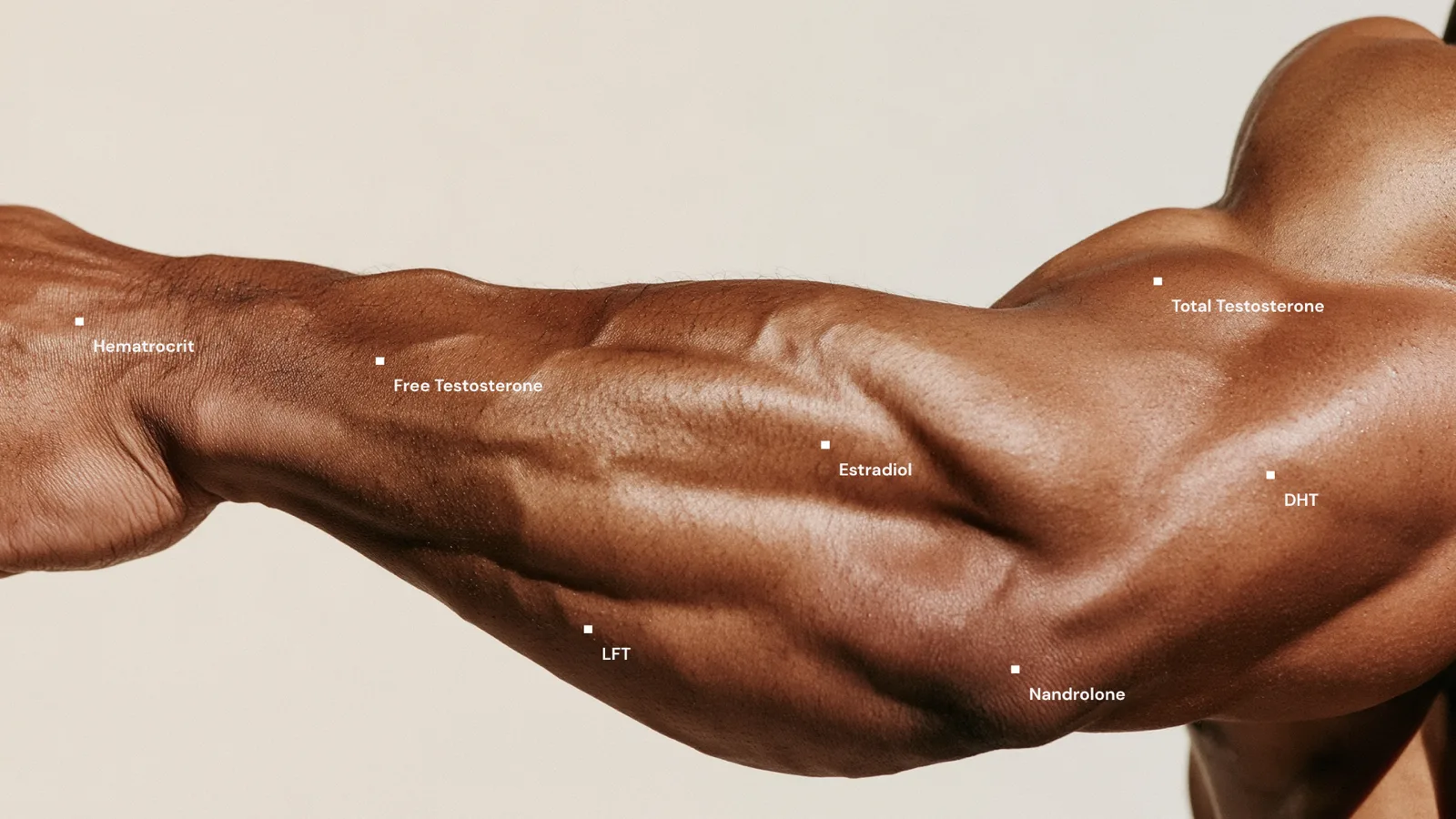
Testosterone replacement therapy requires routine blood work to confirm optimal hormone levels and guide dose adjustments. At REGENX Health, we monitor key safety markers including hematocrit, lipid profiles, estradiol, and PSA, provide adjunct therapies like anastrozole and hCG to maximize results. We recommend labs every three months, or sooner if necessary, for real-time treatment adjustment and optimization.


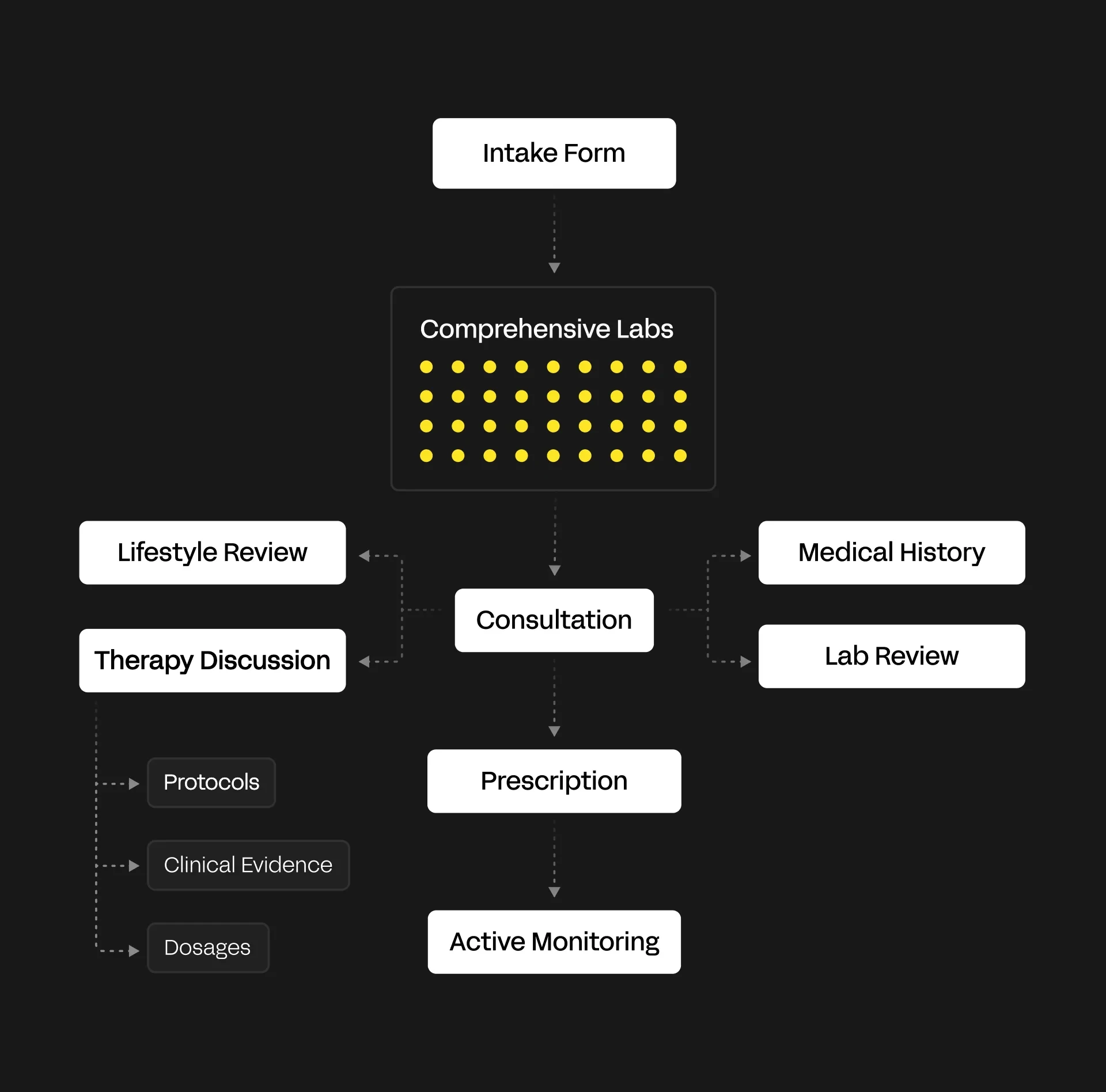
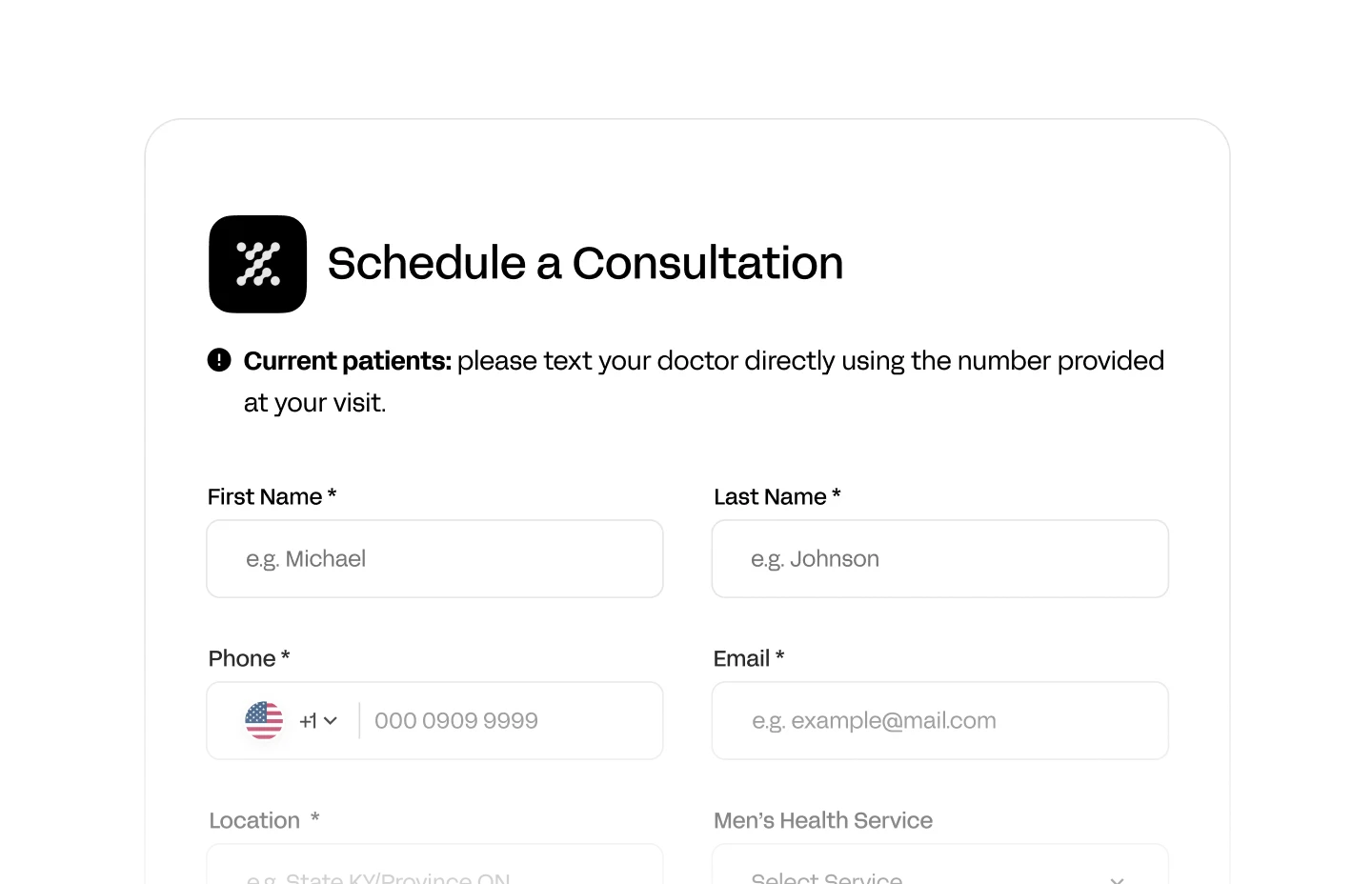
Start by submitting a brief online form so REGENX Health can understand your symptoms, goals, and medical background.
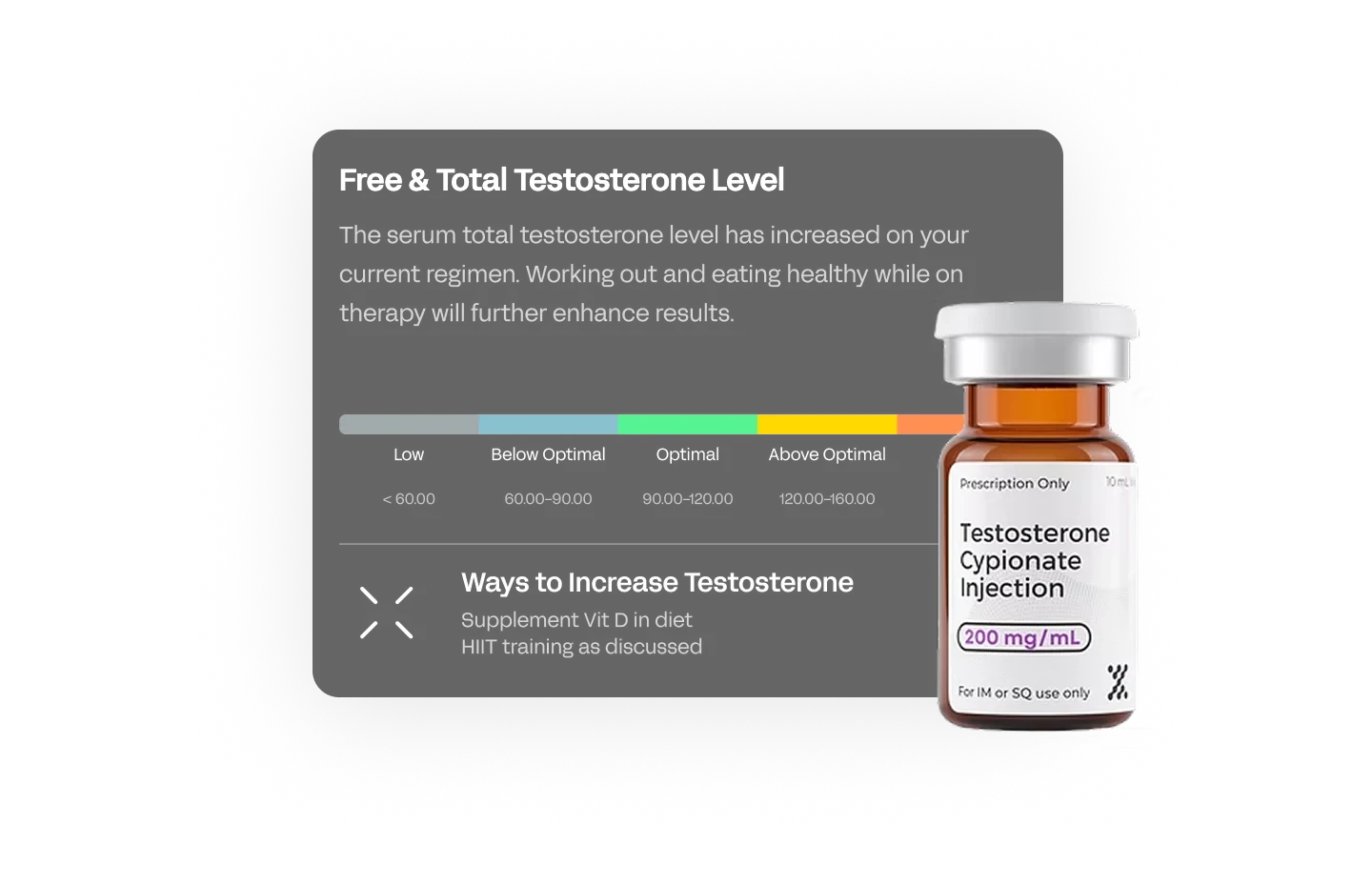
Begin treatment with medications shipped directly to you. Follow-up labs and ongoing protocol adjustments are included with your care.
How testosterone replacement therapy supports muscle growth, fat loss, cognitive function, and daily performance.
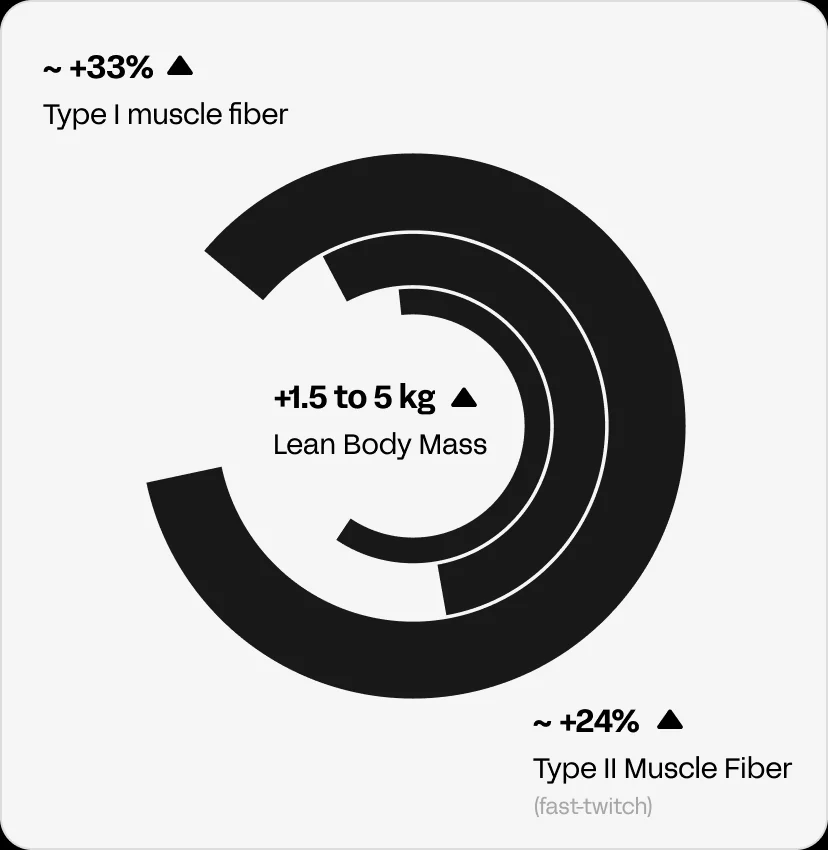
TRT drives dose-dependent increases in muscle volume through fiber hypertrophy. Clinical trials confirm size gains in major muscle groups even without exercise. Add strength training and meta-analyses show 5 to 10% increases in lean body mass.
Weight Loss
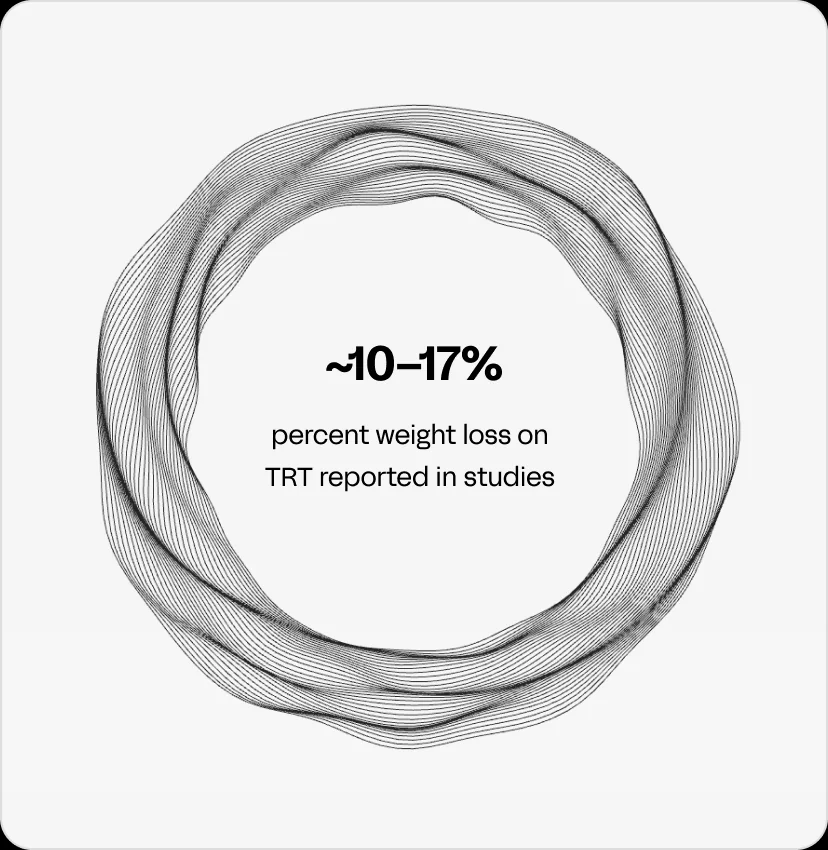
Testosterone regulates carbohydrate, protein, and fat metabolism. In hypogonadal men, TRT inhibits adipogenesis, improves energy production, and reduces waist circumference. Long-term clinical data show progressive weight loss, muscle preservation, and sustained decreases in BMI.

Cognitive Function
TRT can improve executive function, memory, and cognition in men with low testosterone. By reducing oxidative stress and supporting synaptic plasticity, testosterone therapy can help relieve brain fog, improve processing speed, and enhance attention.
Energy and Performance
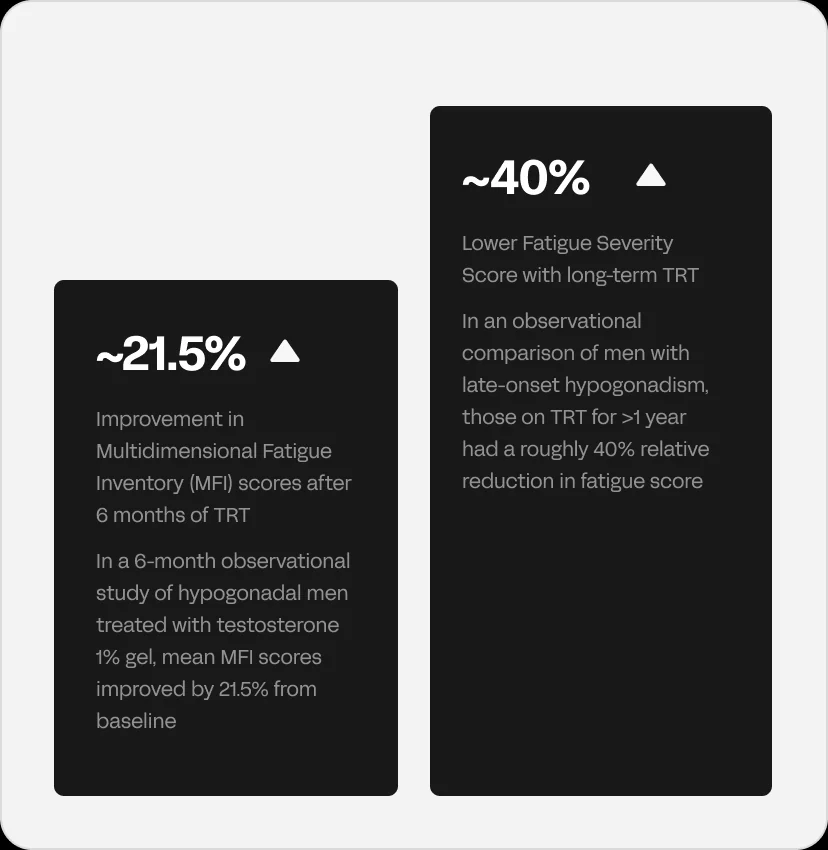
Over half of men on TRT report higher daily energy and reduced fatigue. Men receiving TRT report higher sustained energy levels throughout the day, enabling them to perform tasks and feel more accomplished. During the first 3 months of TRT, men often report increased physical stamina and motivation. Testosterone replacement therapy supports endurance, work capacity, and recovery by optimizing the body's ability to sleep more restfully, perform better, and recover faster.
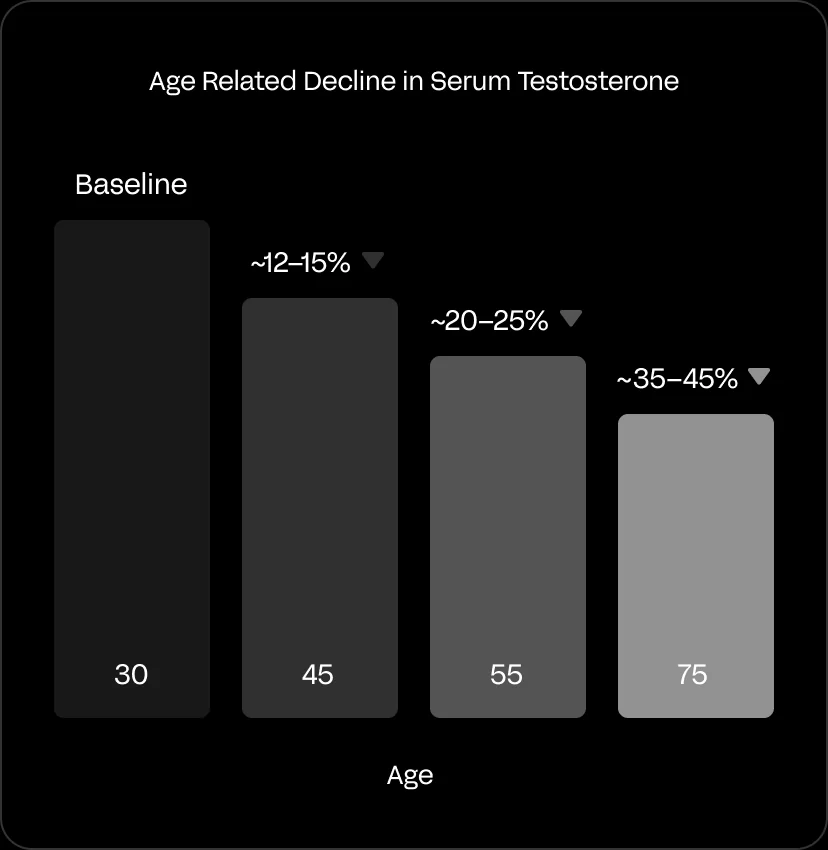
Aging
Testosterone declines about 1–2% per year after age 30–40. By age 70–80, a large percentage of men have levels in the hypogonadal range. This is often called late-onset hypogonadism and is driven by reduced testicular production plus changes in the hypothalamic-pituitary axis.

Type 2 diabetes and metabolic syndrome
Strongly associated with low T through insulin resistance, inflammation, and HPG-axis suppression. Many men with diabetes have hypogonadism even when not severely obese; the relationship is bidirectional
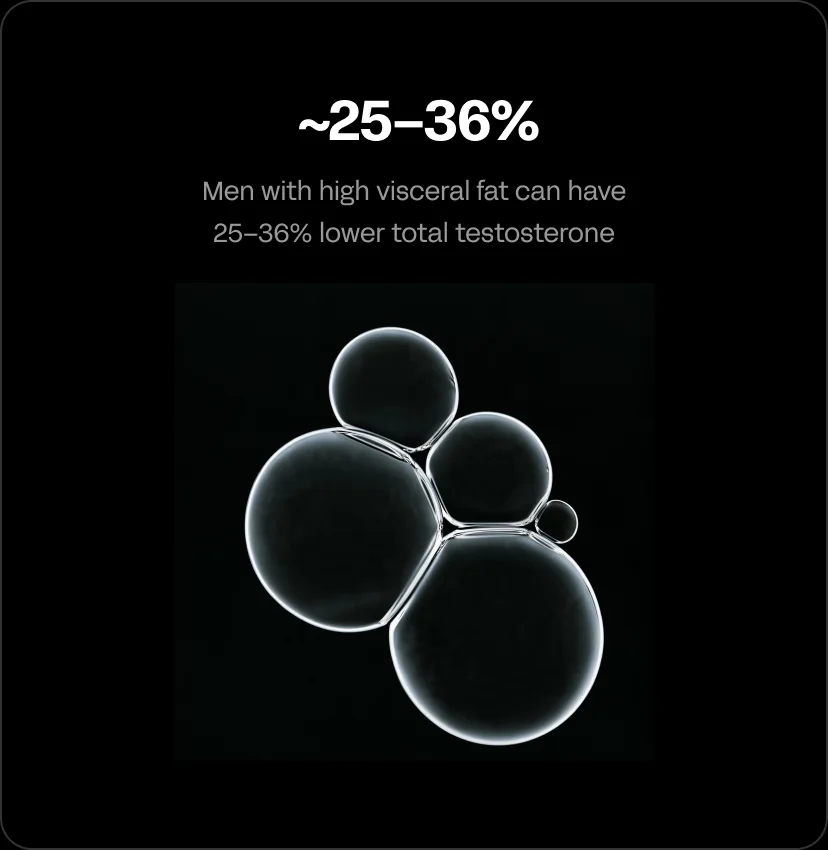
Obesity and excess visceral fat
One of the strongest and most common reversible causes. Fat tissue expresses aromatase, which converts testosterone to estrogen, and obesity suppresses GnRH/LH signaling (functional secondary hypogonadism). Men with BMI >30 often have markedly lower total and free testosterone.
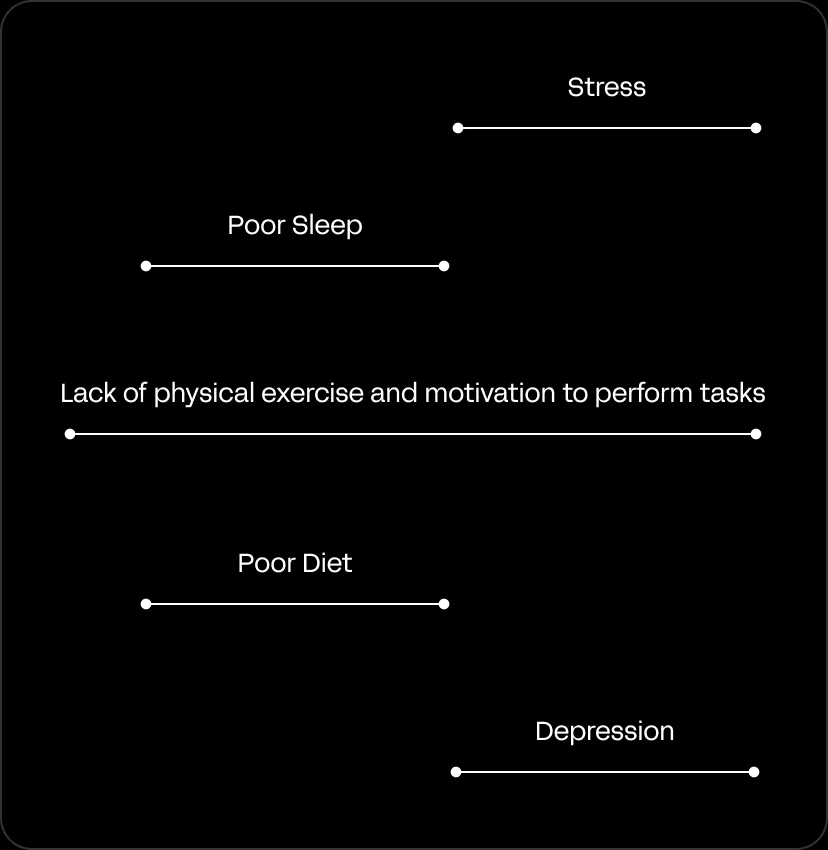
Lifestyle Factors: Lack of Exercise and Poor Nutrition
A sedentary lifestyle and poor diet lower testosterone by promoting visceral fat, insulin resistance, and inflammation while reducing lean mass. Regular resistance training and a nutrient-dense diet can help reverse these effects and support healthier testosterone levels.
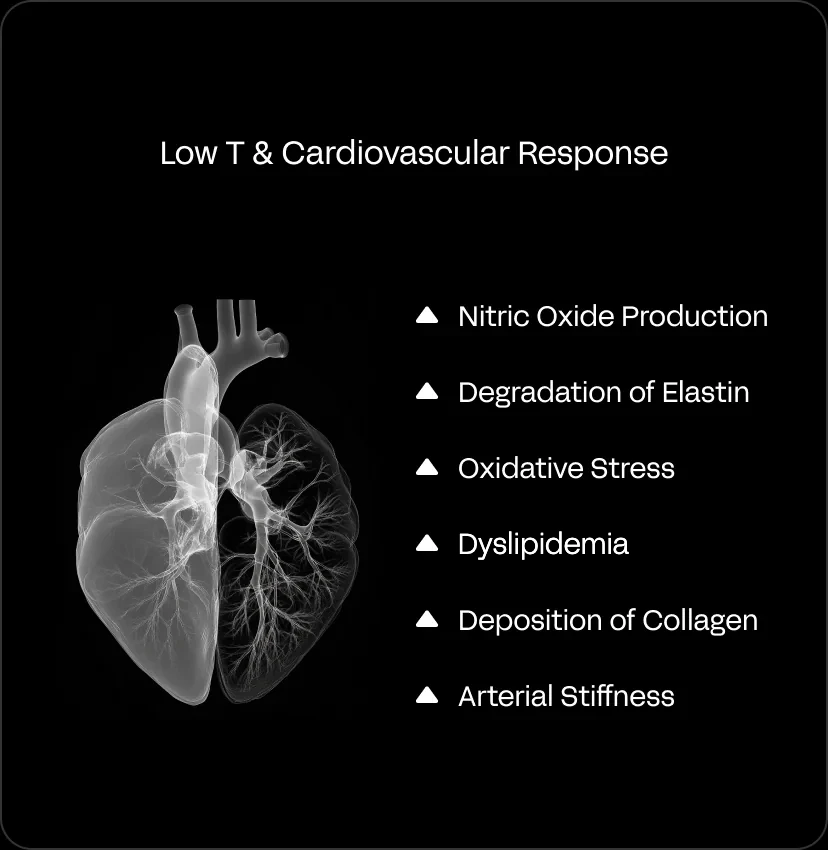
Cardiovascular function
Low testosterone is linked to higher cardiovascular risk through metabolic syndrome, adverse lipids, and endothelial dysfunction. Observational studies show increased event rates, though causality is not fully established. Men with low testosterone also tend to have higher rates of insulin resistance and visceral adiposity, which further amplify cardiovascular risk.
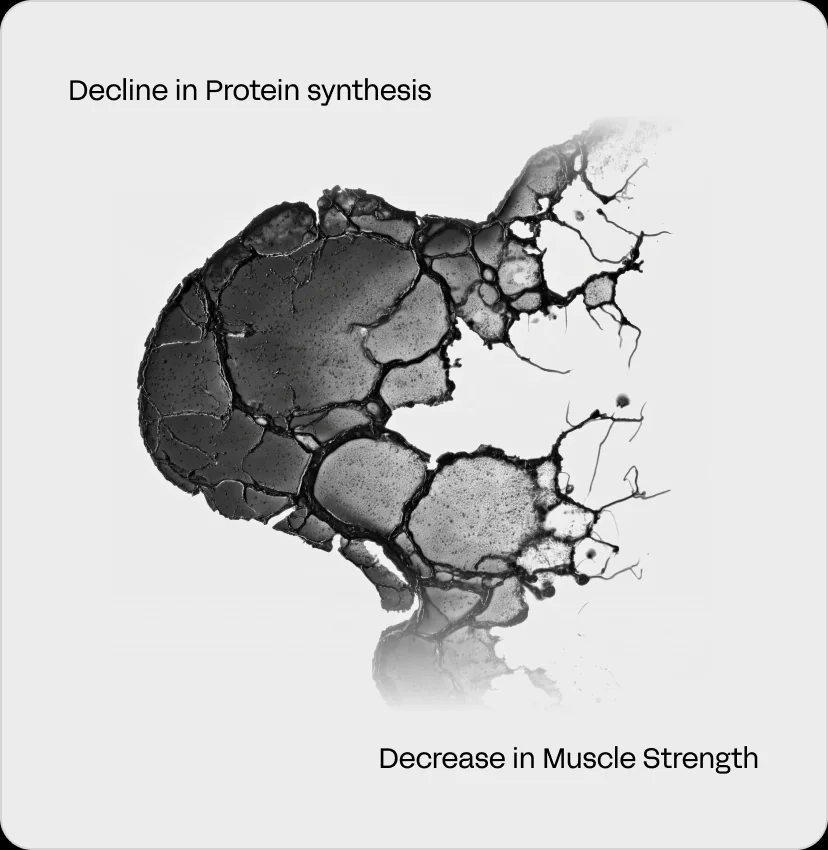
Muscle loss
Hypogonadism accelerates loss of lean mass and strength. Testosterone supports muscle protein synthesis, and optimizing levels plus resistance training helps preserve muscle. Even modest increases in lean mass and grip strength are commonly reported after testosterone levels are restored to the mid-normal range.
Depression
Depressive symptoms occur in 20–50% of men with low testosterone. Rates are consistently higher than in men with normal testosterone levels. In men with both hypogonadism and depressive symptoms, testosterone therapy has shown modest but statistically significant improvements in mood scores in several trials.

Lack of motivation and focus
Low testosterone is associated with reduced motivation, mental fatigue, and impaired focus. These symptoms often improve with testosterone optimization and lifestyle measures. Many patients also report better mental clarity and reduced “brain fog” within the first 8–12 weeks of effective therapy.
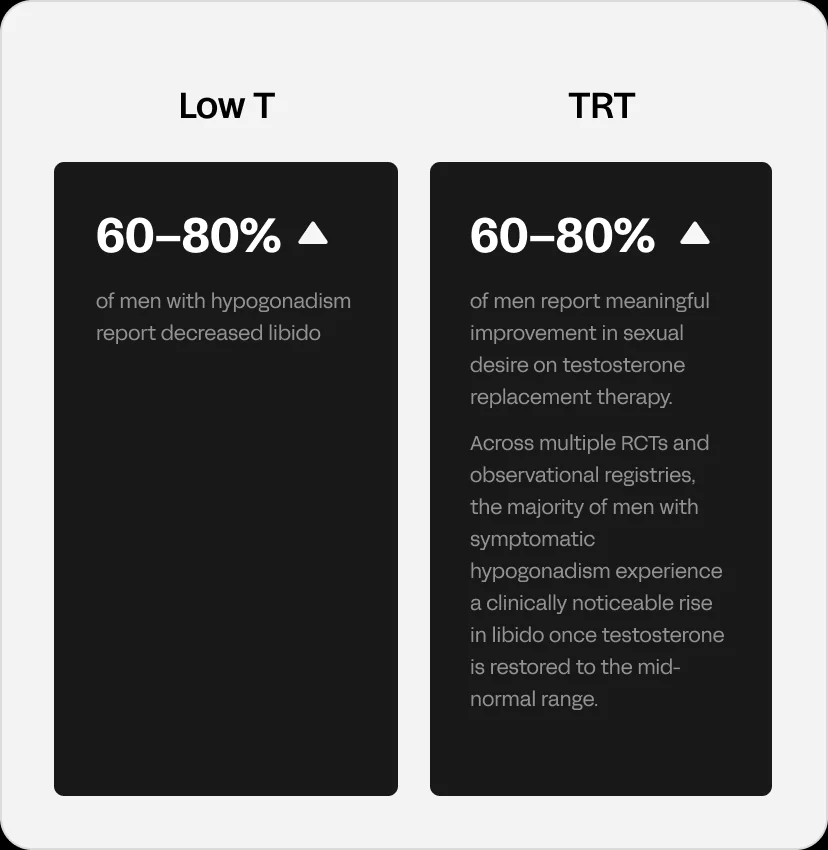
Low Libido
Reduced sexual desire is one of the earliest and most consistent symptoms of low testosterone. Sexual interest typically improves within 3–6 weeks of effective therapy. Alongside libido, measures of sexual activity and satisfaction also commonly rise once testosterone levels are optimized.
 testosterone replacement therapy
 protocols designed to support performance, strength, muscle growth,
 and long-term health for men.
Browse the full list of testosterone prescriptions available through REGENX Health. Every therapy is prescribed by a board-certified urologist and tailored to improve your symptoms, lab results, and health metrics.
Testosterone primarily boosts muscle growth in the deltoids, trapezius, quadriceps, and chest, where androgen receptor (AR) density is among the highest in the male body.

Back
Back muscles like the lats and rhomboids, with moderate AR density, benefit from testosterone, enhancing upper-body width and pulling strength in males.
Triceps
The triceps, with moderate-high AR density, undergo testosterone-driven growth, increasing arm size, power, and pushing strength in males.
Deltoid
High-AR deltoids respond strongly to testosterone, enhancing shoulder width and strength in men.
Upper Trapezius
The upper trapezius, with high AR density, sees significant testosterone-driven growth, broadening shoulders and improving posture in males.
Ave Testosterone Value on High TRT Protocol


Microdosing testosterone offers patients an opportunity to offset rises in hematocrit levels experienced with large testosterone injection dosages. Dose-response research shows that lowering TRT dosage and increasing frequency of injections can maintain therapeutic benefits. Pharmacology reviews of TRT formulations confirm that frequent, lower-dose injections result in more stable testosterone levels and fewer side effects.

Analysis of dried blood spot (DBS) testing shows high correlation with venous draws for intramuscular testosterone users, but unreliable results for topical gel users. DBS offers convenience for patients, but is limited in obtaining the necessary peripheral lab markers to monitor testosterone accurately and safely.

Testosterone therapy may be long term or short term depending on the cause of deficiency, treatment goals, and recovery potential. Clinical guidance shows that some men need ongoing therapy, while others can stop safely with structured monitoring.

Microdosing GLP-1 therapy alongside testosterone may support fat loss while preserving lean muscle mass. Research on semaglutide and tirzepatide shows combination strategies help offset weight-reduction-related lean mass loss.
Stacking means using peptide therapy alongside testosterone replacement therapy (TRT) as part of one coordinated treatment plan. TRT works through the androgen receptor, while many peptides work through the growth hormone pathway by signaling your body to release more of its own growth hormone. Combining the two may provide added benefits.
Depending on your goals, certain peptides may help support recovery, body composition, energy, sleep, or sexual function alongside TRT. Some may also help support your natural hormone production while on testosterone. Results can vary, so your urologist will review the expected benefits and risks with you before adding any peptide if necessary.
Not every patient on TRT needs peptides. Your urologist will review your symptoms, labs, and goals to see whether there are concerns that TRT alone is not addressing. If a peptide addition may help, your doctor will explain your options and reasoning.
Peptides are only recommended after your urologist reviews your health history and labs. Like any therapy, peptides can have side effects, and many are compounded medications that are not FDA-approved. Your doctor will review the benefits and risks with you and monitor you throughout treatment.
Yes. Many peptides raise your natural growth hormone levels, which increases IGF-1, a marker your doctor uses to measure growth hormone activity. That is why we check your IGF-1 level along your testosterone labs.

You may qualify for testosterone replacement therapy when you have symptoms of low T and blood tests confirm it. American Urological Association guidelines use a serum testosterone value below 300 ng/dL as the benchmark.
At REGENX Health, your urologist also reviews free testosterone, SHBG, LH, FSH, and estradiol, among many other labs, on a 65+ biomarker testosterone blood test to learn why your levels are low. Sleep, medications, other health conditions, and fertility goals all factor into whether low testosterone treatment is right for you. One low number alone isn't enough to start low T treatment.
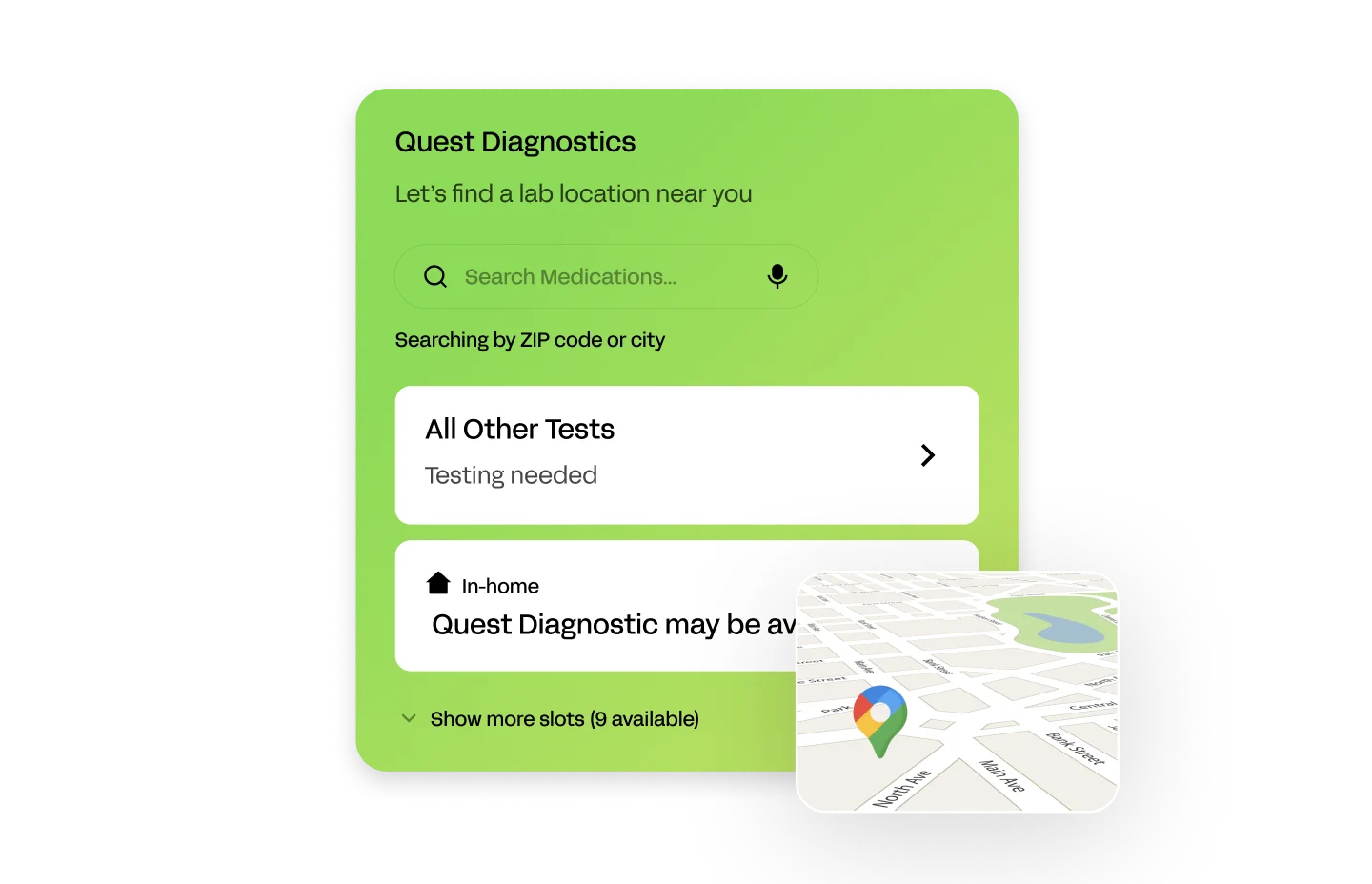
You can get TRT near you without visiting a clinic. REGENX Health provides online TRT by telehealth, so you don't need a TRT clinic or low T clinic nearby, only a Quest Diagnostics location for your blood draw. Here's how to get TRT online: submit a short intake form, complete your labs, meet your board-certified urologist by video, and receive your medication at home if treatment is appropriate.
Testosterone is a prescription-only controlled medication, so getting a testosterone prescription online always requires lab work and a physician visit first. Be cautious of sites that let you buy testosterone online without either. REGENX Health serves select states, so start your TRT consultation to confirm we cover yours.
The cost of TRT at REGENX Health depends on the testosterone formulation and dose your urologist prescribes. Your initial consultation fee includes your 65+ biomarker lab panel. For patients who are candidates for therapy, follow-up labs every three months, telehealth visits, and medication delivery are included with your care at a low monthly investment. There are no locked-in plans.
REGENX Health does not accept insurance, but you can pay with an HSA card. During your consultation, your doctor will recommend therapies from our medication catalog, and a low monthly cost will be started when beginning services.
There's no single best option. Testosterone therapy for men comes in three main forms, and the right TRT protocol depends on your labs, routine, and preferences.
Compounded testosterone creams are not FDA-approved, while commercial gels and Kyzatrex are. No delivery method removes TRT's effect on sperm production, so tell your urologist if fertility matters to you.
Most men notice the first TRT benefits within a few weeks, including better mood, more energy, and improved libido, which often starts rising around week 3. Changes in muscle, body fat, and strength usually show up around three months and keep building through the first year.
Results vary, and lab values often improve before symptoms do. If your testosterone is in range but you don't feel better, your urologist reassesses the diagnosis and plan instead of simply raising the dose. For recovery or body composition goals that TRT alone isn't meeting, your doctor may discuss adding peptide therapy.
TRT lowers the LH and FSH signals your testes need to produce sperm, so sperm counts can fall while you're on treatment. If you want children now or later, tell your urologist before you start.
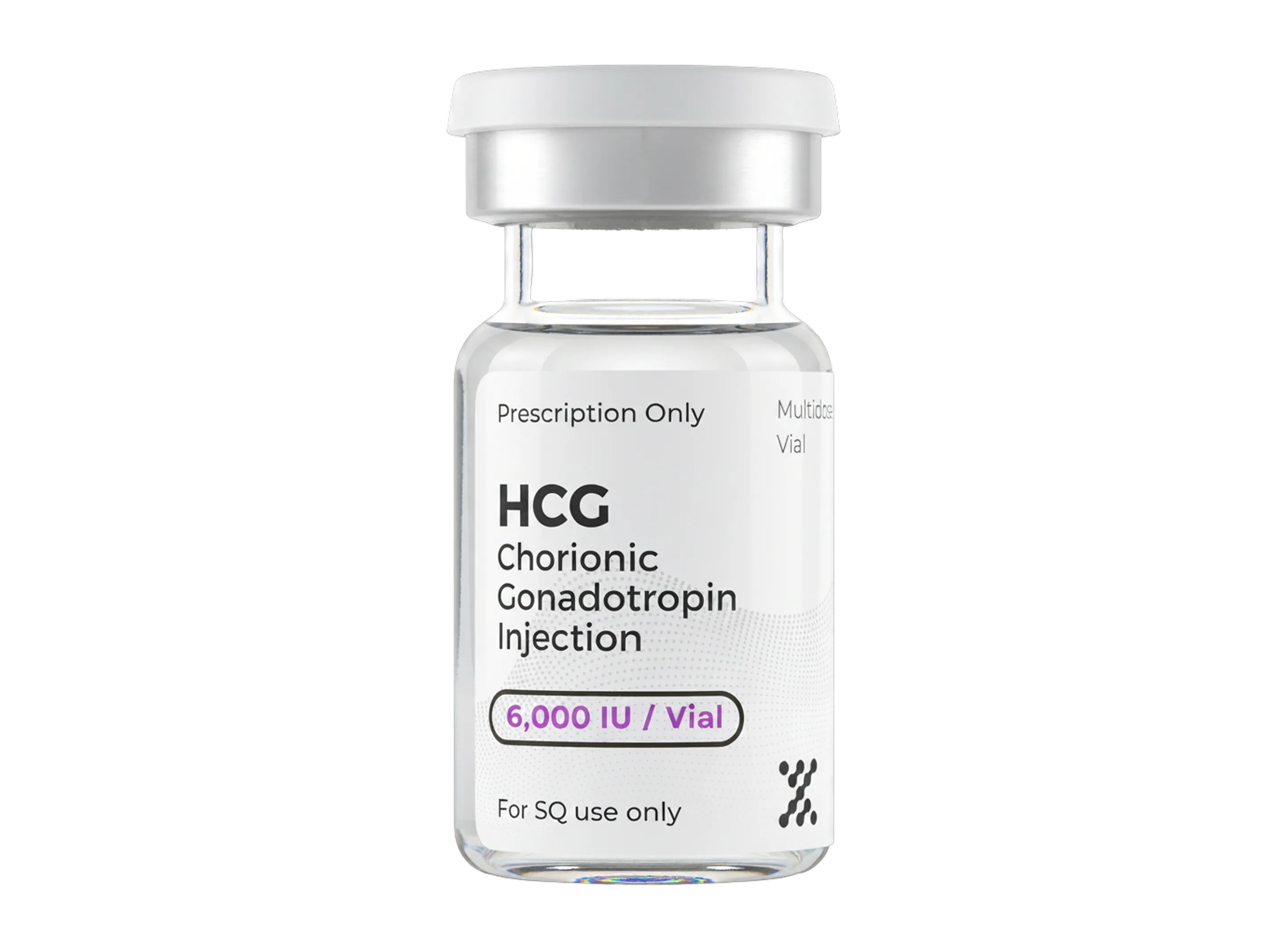
HCG for men acts like LH and stimulates the testes directly, so it's sometimes added to TRT to help maintain testicular function. For some men, enclomiphene therapy is a better starting point because it raises testosterone without shutting those signals down. Neither option guarantees fertility, so your urologist plans around your timeline and may order a semen analysis.
Not everyone does. Some testosterone naturally converts to estradiol, which men need for bone health, libido, and erectile function. Starting TRT, or seeing a single higher estradiol result, doesn't automatically call for an estrogen blocker.
Your urologist checks estradiol on your follow-up labs and looks at your symptoms before prescribing anastrozole for men (Arimidex). Its use in men is off-label, and suppressing estrogen too far carries its own risks, including for bone health. When it is needed, your urologist adjusts the dose based on your labs.
Possible TRT side effects include acne, fluid retention, a rise in red blood cell count (hematocrit), higher blood pressure, and reduced sperm production. Regular monitoring is how your urologist catches them early.
At REGENX Health, follow-up labs every three months track testosterone, hematocrit, estradiol, lipids, and PSA, and your urologist adjusts your dose based on the results and how you feel. Report new symptoms to your doctor directly by text or call. Don't change your dose or add another medication on your own.
Testosterone Therapy for Low T
Discover how WHOOP 4.0 can help you boost your testosterone levels and heart rate variability, empowering you to take control of your health.
Testosterone Therapy for Low T