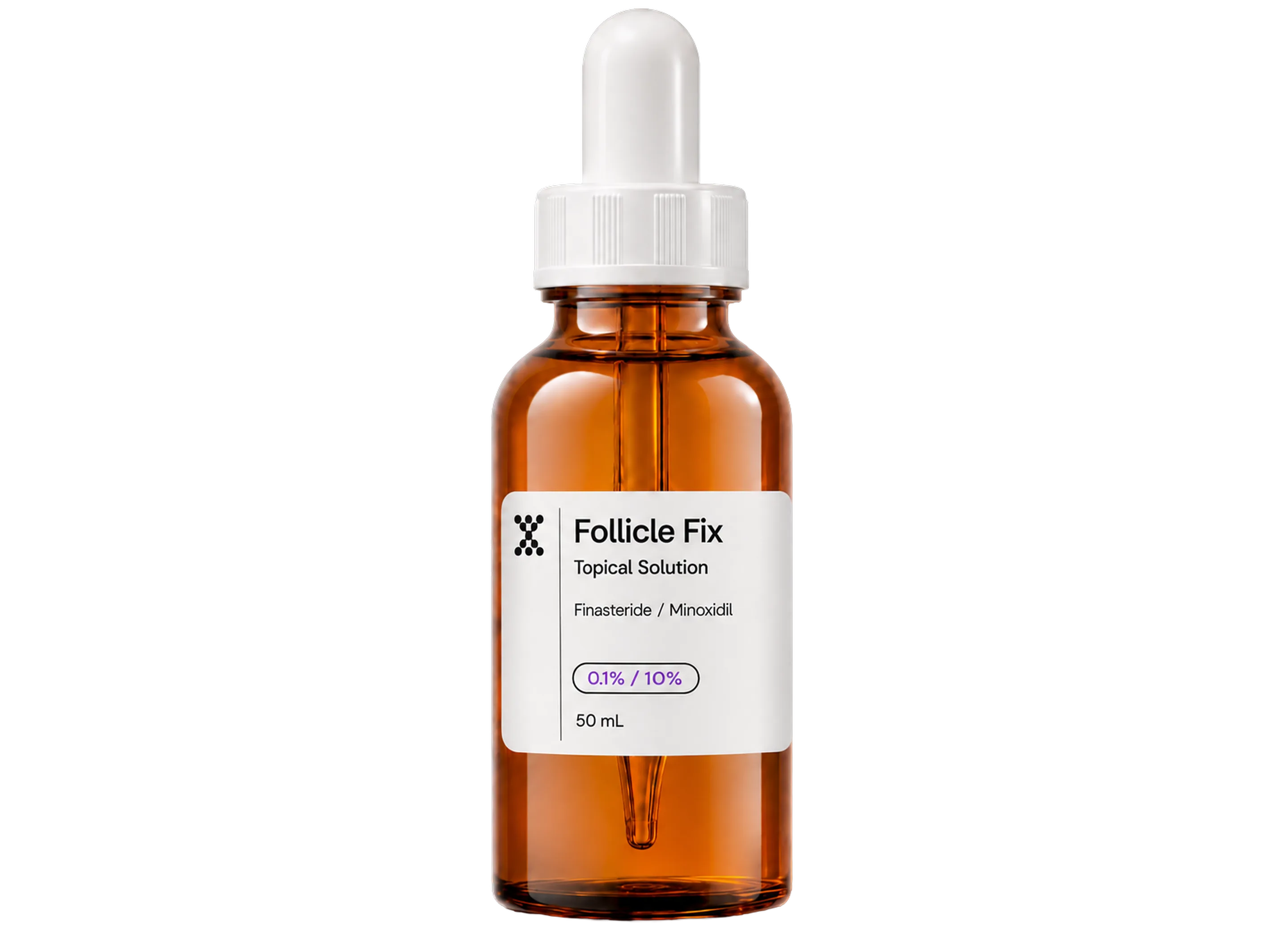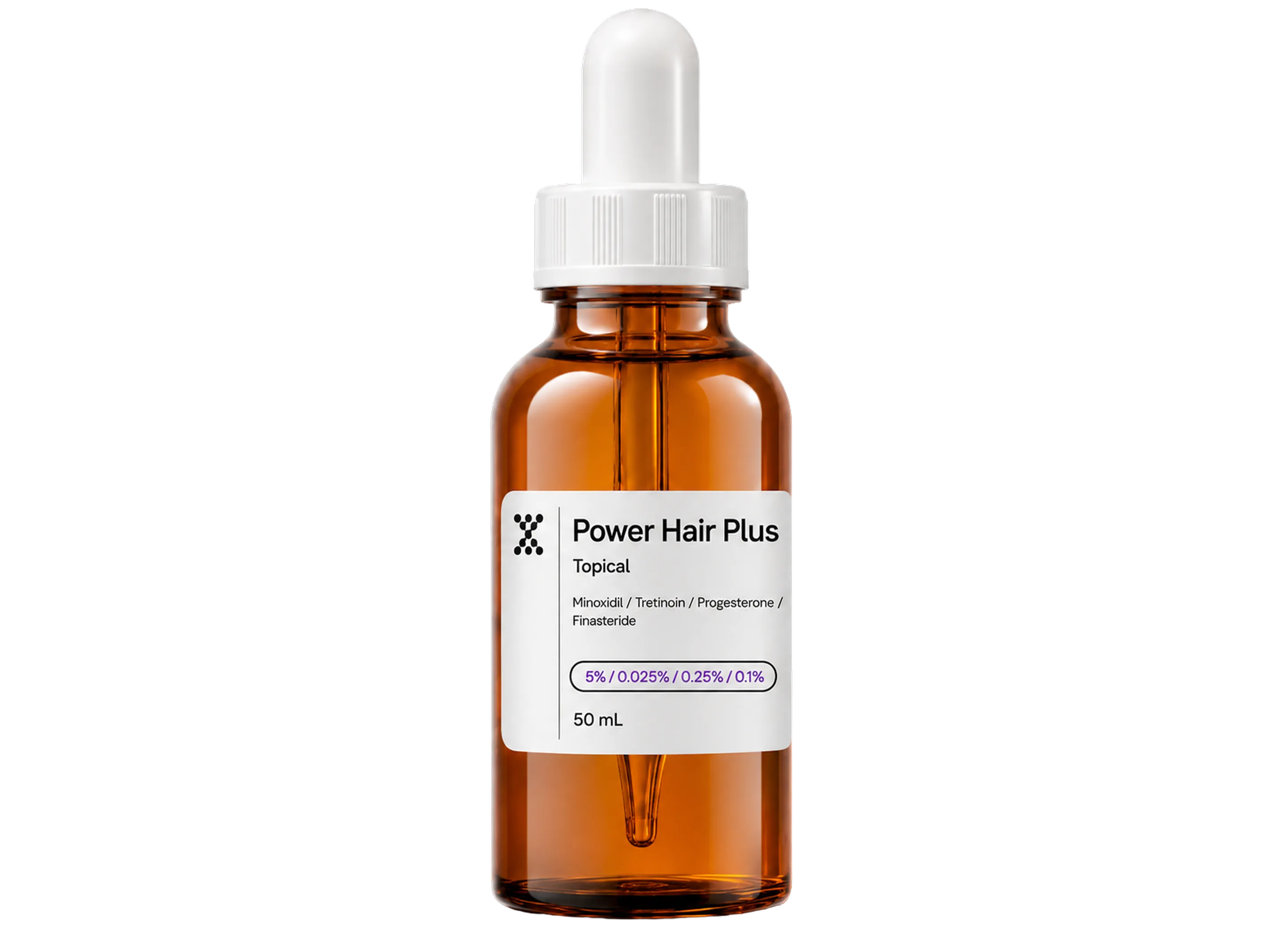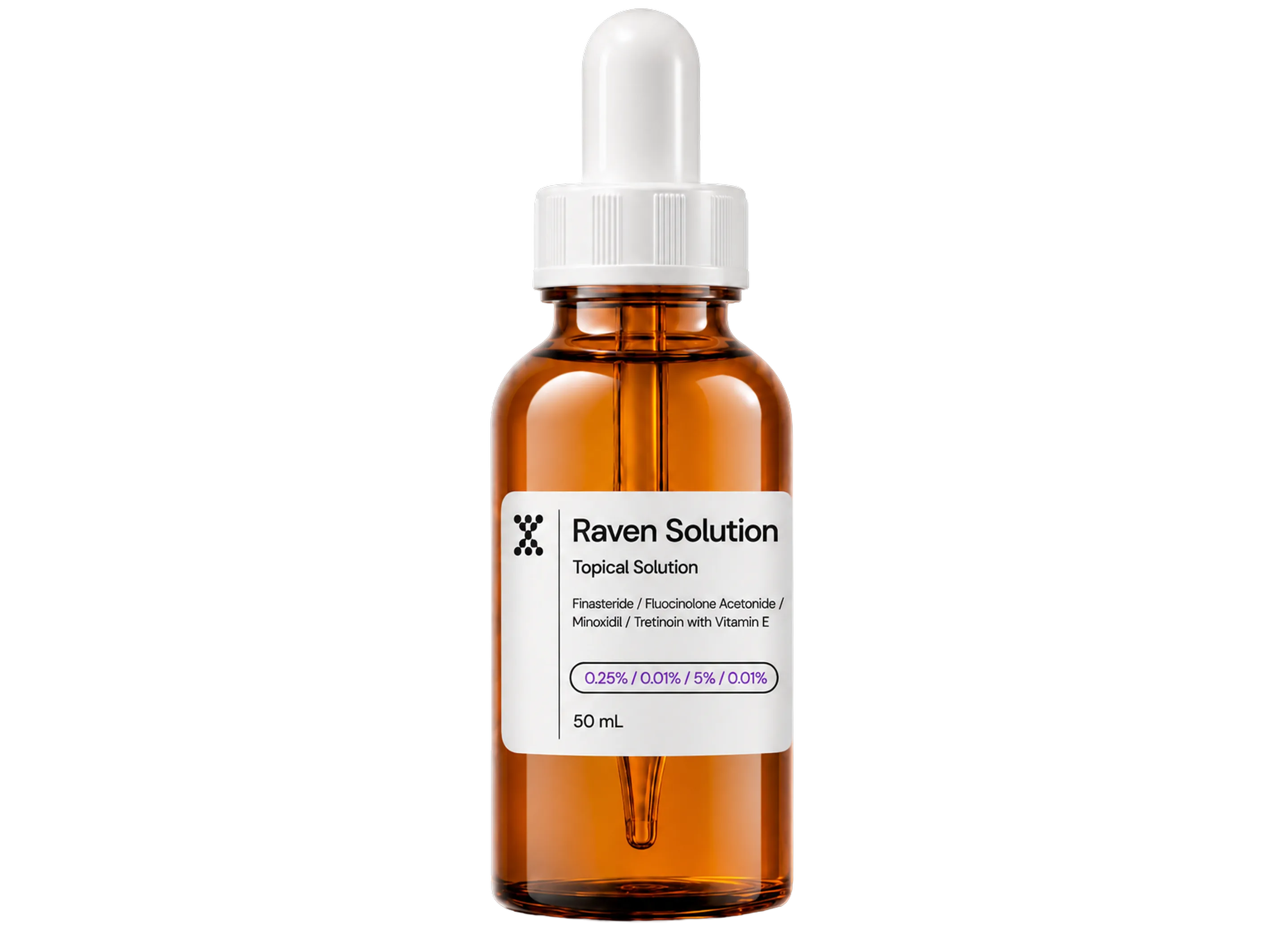






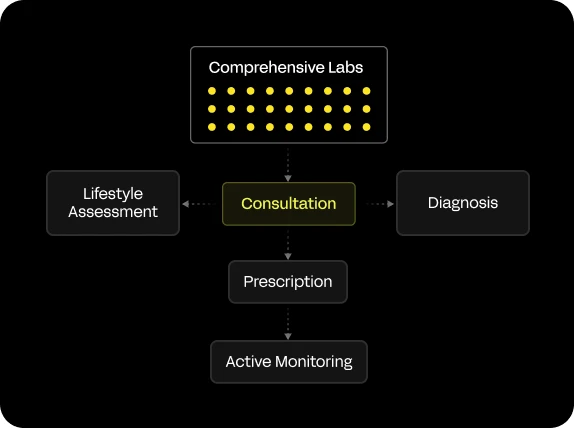





Finasteride is an oral 5-alpha reductase inhibitor that blocks the conversion of testosterone to dihydrotestosterone (DHT), the androgen responsible for miniaturizing scalp hair follicles. Clinical trials over two years showed that finasteride 1mg daily slowed hair loss progression and produced measurable hair regrowth in men with male pattern baldness. At REGENX Health, finasteride prescriptions are written and managed by a board-certified urologist who selects your formulation based on your labs and clinical profile.
Benefits of Finasteride for Hair Loss
The evidence for finasteride in male androgenetic alopecia (AGA) is among the strongest of any hair loss treatment available. A comprehensive meta-analysis found finasteride 1mg/day significantly increased total hair count versus placebo at both 24 and 48 weeks, making it the most established medical option for stopping and partially reversing male pattern hair loss.
- Slows or stops progressive male pattern hair loss
- Stimulates regrowth in areas of recent thinning
- Reduces scalp DHT levels by up to 64% at standard dosing
- Oral finasteride is FDA-approved for male androgenetic alopecia
- Topical formulation delivers results with significantly lower systemic DHT suppression
- Can be combined with minoxidil for enhanced hair density outcomes
- Long-term use associated with sustained hair count maintenance
- Convenient once-daily oral dosing or topical application to the scalp
Finasteride Dosage and Formulations
REGENX Health offers finasteride in oral and topical formulations, and your board-certified urologist selects the right one based on your labs, symptom history, and tolerance profile. Dosing is individualized, not one-size-fits-all.
Oral Finasteride (1mg Tablet)
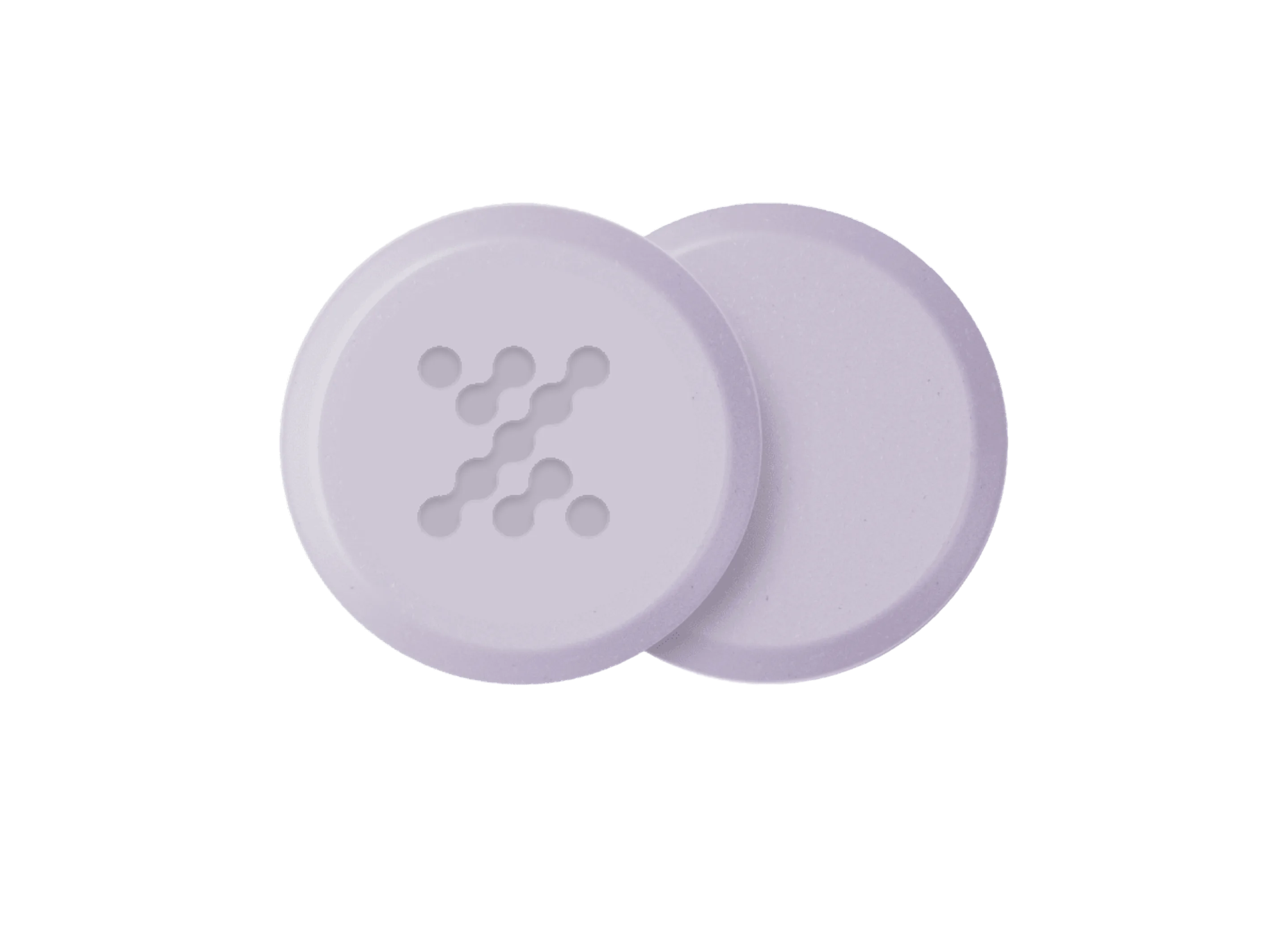
The FDA-approved standard for male androgenic alopecia. One 1mg tablet taken daily is the most studied finasteride formulation and the clinical benchmark against which all alternatives are measured. Well suited for men with moderate to advanced thinning who want a proven, systemic approach.
Topical Finasteride (0.25% Solution)
Applied directly to the scalp, topical finasteride delivers localized DHT suppression with plasma concentrations more than 100 times lower than oral dosing. A Phase III randomized controlled trial confirmed topical finasteride produced hair count improvements similar to oral finasteride, with meaningfully less systemic exposure and a lower rate of sexual side effects in clinical data.
Topical Finasteride + Minoxidil Combination
REGENX Health also offers a compounded topical combining finasteride and minoxidil in a single solution applied once daily to the scalp. This combination targets two different mechanisms simultaneously, DHT suppression and follicular blood flow, for patients who want a more comprehensive topical protocol.
Risks and Side Effects of Finasteride
Finasteride is generally well tolerated at the 1mg dose used for androgenic alopecia, but it carries real risks that every patient should understand before starting. Post-finasteride syndrome (PFS), a constellation of persistent sexual and neuropsychiatric side effects that continue after drug discontinuation, has been reported in a subset of patients, and its existence is acknowledged in the finasteride FDA label.
Possible Side Effects
- Decreased libido: reduced sexual desire during treatment
- Erectile dysfunction: difficulty achieving or maintaining erections
- Decreased ejaculatory volume: reduced semen output
- Gynecomastia: breast tissue sensitivity or enlargement (uncommon)
- Depression and mood changes: FDA label includes this warning; discontinue if mood symptoms develop
- Post-finasteride syndrome (PFS): persistent sexual, cognitive, or mood symptoms after stopping the drug
Important Considerations
- History of depression or sexual dysfunction: use should be carefully evaluated before prescribing; these conditions may be exacerbated
- Men planning fertility: DHT normalization after stopping finasteride may take 90 days or longer; discuss timing with your urologist
- Long-term monitoring: periodic lab review and symptom check-ins are required at REGENX Health throughout treatment
How Do You Take Finasteride
Oral Finasteride (Tablet)
One 1mg tablet taken orally once daily. It can be taken with or without food, and at any time of day, though consistency matters more than timing. Swallow whole with water. Most men find it easiest to take at the same time each day, often with another daily medication or supplement to build the habit.
Topical Finasteride (Scalp Solution)
Applied directly to dry scalp in the areas of thinning, typically once daily. Use the dropper to apply the solution and massage gently into the scalp. Allow it to dry fully before sleeping or applying other topical products. Do not rinse out. Wash hands thoroughly after application, and avoid contact with mucous membranes.
Topical Finasteride + Minoxidil Combination
Applied once daily to dry scalp. The combination solution uses the same technique as topical finasteride alone. Part the hair, apply to thinning areas, and allow to air dry. This formulation eliminates the need to layer multiple products and works best as a standalone scalp treatment applied before bedtime.
Who Can Use Finasteride
- Adult men (18+) with male pattern hair loss (androgenetic alopecia), any Norwood stage
- Men with early-stage thinning who want to stop progression before significant hair is lost
- Men seeking hair regrowth who have not responded adequately to minoxidil alone
- Men on TRT at REGENX Health who want to add DHT-blocking therapy to preserve scalp hair, given that exogenous testosterone increases DHT substrate availability
- Men who want topical delivery to minimize systemic DHT suppression and reduce the risk of systemic side effects
- Men with a family history of male pattern baldness who want proactive, prescription-level prevention
Who Should Not Take Finasteride
- Men with a personal history of depression, suicidal ideation, or significant psychiatric illness, where the risk-benefit balance requires careful urologist review
- Men with a known history of sexual dysfunction prior to treatment, as finasteride may worsen these symptoms
- Men with a previous adverse reaction to finasteride or other 5-alpha reductase inhibitors
- Men currently trying to conceive who have fertility concerns, given potential effects on DHT levels and sperm quality
What Do You Need to Monitor on Finasteride
REGENX Health uses a lab-guided approach throughout your finasteride treatment, not just at baseline. Regular monitoring catches any changes early and lets your urologist adjust the protocol if needed.
- Total Testosterone and Free Testosterone: finasteride does not lower testosterone, but monitoring maintains context for any sexual function changes
- DHT (Dihydrotestosterone): confirms the drug is suppressing DHT as expected; target reduction is 60-70% from baseline with oral dosing
- PSA (Prostate-Specific Antigen): finasteride suppresses PSA by approximately 50%; your urologist needs this baseline to interpret future PSA readings correctly
- SHBG (Sex Hormone Binding Globulin): provides context for free hormone levels alongside testosterone
- Symptom check-in (libido, mood, erectile function, ejaculatory volume): self-reported sexual and psychological symptoms are the most clinically important monitoring tool
- LH and FSH (if fertility is a concern): monitors pituitary-gonadal axis, especially relevant for men on combined TRT and finasteride protocols
Clinical Research on Finasteride
The following research supports the clinical rationale for finasteride. All studies are reviewed for relevance by the REGENX Health clinical team.
- Finasteride in the treatment of men with androgenetic alopecia: Finasteride Male Pattern Hair Loss Study Group (Kaufman et al., 1998) - In 1553 men over two years, oral finasteride 1mg daily produced statistically significant increases in hair count versus placebo at all evaluation points.
- Finasteride for hair loss: a review (meta-analysis) (Gupta et al., 2022) - A comprehensive network meta-analysis confirmed finasteride 1mg/day increased total hair density significantly at 24 and 48 weeks, with 1mg and 5mg doses producing equivalent efficacy.
- Efficacy and safety of topical finasteride spray solution for male androgenetic alopecia: a Phase III randomized controlled trial (Piraccini et al., 2022) - Topical finasteride 0.25% produced hair count improvements similar to oral finasteride at 24 weeks, with plasma concentrations more than 100-fold lower and less impact on systemic DHT.
- Comparative efficacy of minoxidil and 5-alpha reductase inhibitors for male pattern hair loss: network meta-analysis (PMC, 2025) - A network meta-analysis of 33 studies and 19 comparators ranked finasteride formulations across terminal hair density and independent observer assessment outcomes.
- Post-finasteride syndrome: An emerging clinical problem (Diviccaro et al., 2020) - Reviewed evidence for persistent sexual, neuropsychiatric, and physical adverse effects following finasteride discontinuation; concluded PFS occurs in a susceptible subset and warrants individualized risk assessment.
Frequently Asked Questions About Finasteride Tablet
What is finasteride?
Finasteride is a 5-alpha reductase inhibitor that blocks the enzyme responsible for converting testosterone into DHT. DHT is the primary androgen that causes hair follicle miniaturization in men with a genetic predisposition to androgenetic alopecia. By reducing scalp DHT levels, finasteride slows hair loss and, for many men, stimulates partial regrowth. It was FDA-approved for male pattern hair loss in 1997 and remains the most clinically validated medical treatment available.
What are the benefits of finasteride for men?
The core benefit is halting or significantly slowing the progression of male pattern hair loss, which untreated is permanent. Many men also experience measurable regrowth, particularly in recently thinned areas. Clinical trials show consistent improvements in total hair count versus placebo at both 24 and 48 weeks of treatment. Topical finasteride now allows men to get similar scalp benefits with substantially lower systemic exposure than the oral tablet.
What is the standard finasteride dosage?
The FDA-approved oral dose for male androgenic alopecia is 1mg daily. Topical formulations typically use 0.25% solution applied to the scalp once daily. The oral 5mg dose is approved for benign prostatic hyperplasia (BPH), not hair loss, and is generally not used for AGA. REGENX Health prescribes based on your individual presentation, and your urologist determines which formulation and dose is appropriate for you.
What are the finasteride side effects I should know about?
The most commonly reported side effects include decreased libido, erectile dysfunction, and reduced ejaculatory volume. These occur in a minority of users and resolve in most men after stopping the drug. A smaller subset of men report post-finasteride syndrome (PFS), which involves sexual, mood, or cognitive symptoms that persist after discontinuation. The FDA updated the finasteride label in 2012 to acknowledge the possibility of persistent side effects, including depression. Men with a personal or family history of depression or sexual dysfunction should discuss this carefully with their urologist before starting.
What is topical finasteride and how is it different from oral finasteride?
Topical finasteride is a solution applied directly to the scalp rather than swallowed as a tablet. The key clinical advantage is dramatically lower systemic absorption. A Phase III trial found topical finasteride 0.25% produced hair count results comparable to oral finasteride, with plasma drug concentrations more than 100 times lower and a smaller reduction in serum DHT. This makes it a meaningful option for men who want localized DHT suppression with reduced systemic exposure and a lower risk of systemic sexual side effects.
How long does finasteride take to work and when will I see results?
Most men do not notice changes in the first three months. Hair regrowth typically becomes visible between months four and twelve of consistent use. The primary effect in the early months is slowing ongoing loss rather than producing new growth. Full assessment of finasteride results requires at least 12 months of daily use. Stopping treatment reverses the benefit, and hair loss generally resumes within 9 to 12 months of discontinuation.
Can finasteride be combined with TRT or other peptides?
Yes, and this is a common combination at REGENX Health. Testosterone replacement therapy raises total testosterone levels, which can also increase the substrate available for conversion to DHT, sometimes accelerating scalp hair loss in men with androgenic alopecia. Adding finasteride blocks that conversion at the scalp level. Your urologist manages both protocols together to make sure the interaction is monitored correctly, including PSA baseline, DHT levels, and symptom tracking.
Do I need a prescription for finasteride?
Yes. Finasteride is a prescription medication. It is not available over the counter in the US or Canada. At REGENX Health, a board-certified urologist reviews your labs and medical history before issuing a finasteride prescription, and manages your protocol on an ongoing basis. This is different from telehealth platforms that may prescribe without reviewing labs.
Where can I get a finasteride prescription near me?
REGENX Health operates as a telemedicine clinic, which means you can get a finasteride prescription from a board-certified urologist without leaving home. The process starts with an online intake and lab order. Once your results are reviewed, your urologist writes the prescription and medication is delivered to your door. If you're looking for an online finasteride prescription with real physician oversight, REGENX Health is built for that.
What does finasteride cost?
Generic oral finasteride 1mg is one of the more affordable prescription hair loss options. Cash-pay generic pricing through REGENX Health is typically accessible, and your urologist will provide full pricing transparency during the consultation. Compounded topical finasteride and the finasteride-minoxidil combination are priced separately. Unlike branded Propecia, generic finasteride at 1mg has been available for years and is widely manufactured, which keeps costs manageable.
Is finasteride used for bodybuilding or PCT?
Finasteride is occasionally used by men on anabolic steroids to reduce DHT-related hair loss, since several compounds, particularly DHT-derived steroids, accelerate male pattern baldness in genetically susceptible men. However, it does not serve a post-cycle therapy (PCT) role in the way that clomiphene or tamoxifen does. It does not restore LH, FSH, or natural testosterone production. At REGENX Health, finasteride is prescribed in the context of AGA management, including for men on TRT who want scalp protection, not as a PCT or performance-enhancement protocol.