












Clomid, the brand name for clomiphene citrate, is an oral selective estrogen receptor modulator (SERM) that raises testosterone naturally by blocking estrogen's negative feedback on the hypothalamus and pituitary, prompting the body to produce more LH and FSH. Unlike exogenous testosterone, Clomid keeps the HPG axis active, which means testicular function and sperm production are preserved during treatment. For men dealing with low testosterone who want to maintain fertility or avoid the suppressive effects of TRT, this is one of the most important distinctions in hormonal medicine. At REGENX Health, clomiphene citrate for men is prescribed and managed by a board-certified urologist using a protocol built around your labs, symptoms, and goals.
Benefits of Clomid (Clomiphene Citrate)
The research base for clomiphene citrate in men is substantial. A 2022 systematic review and meta-analysis of 17 studies covering 1,279 patients found that Clomid significantly raised both total and free testosterone, along with meaningful improvement in hypogonadal symptoms. Side effects were reported in fewer than 10% of subjects, and no serious adverse events occurred across the pooled cohort.
- Raises total and free testosterone naturally
- Preserves fertility and sperm production while treating low T
- Maintains testicular size and function unlike TRT
- Improves energy, libido, and mood in symptomatic men
- Supports LH and FSH secretion from the pituitary
- Improves the testosterone-to-estradiol ratio
- Available as an affordable oral tablet, no injections required
- Long-term use shown effective for up to 7+ years in select patients
Clomid Dosage and Formulations
REGENX Health offers clomiphene citrate in two standard oral dosages, and your board-certified urologist selects the appropriate dose based on your baseline labs, testosterone levels, and clinical response. Dosing is typically re-evaluated at each follow-up visit to optimize your results.
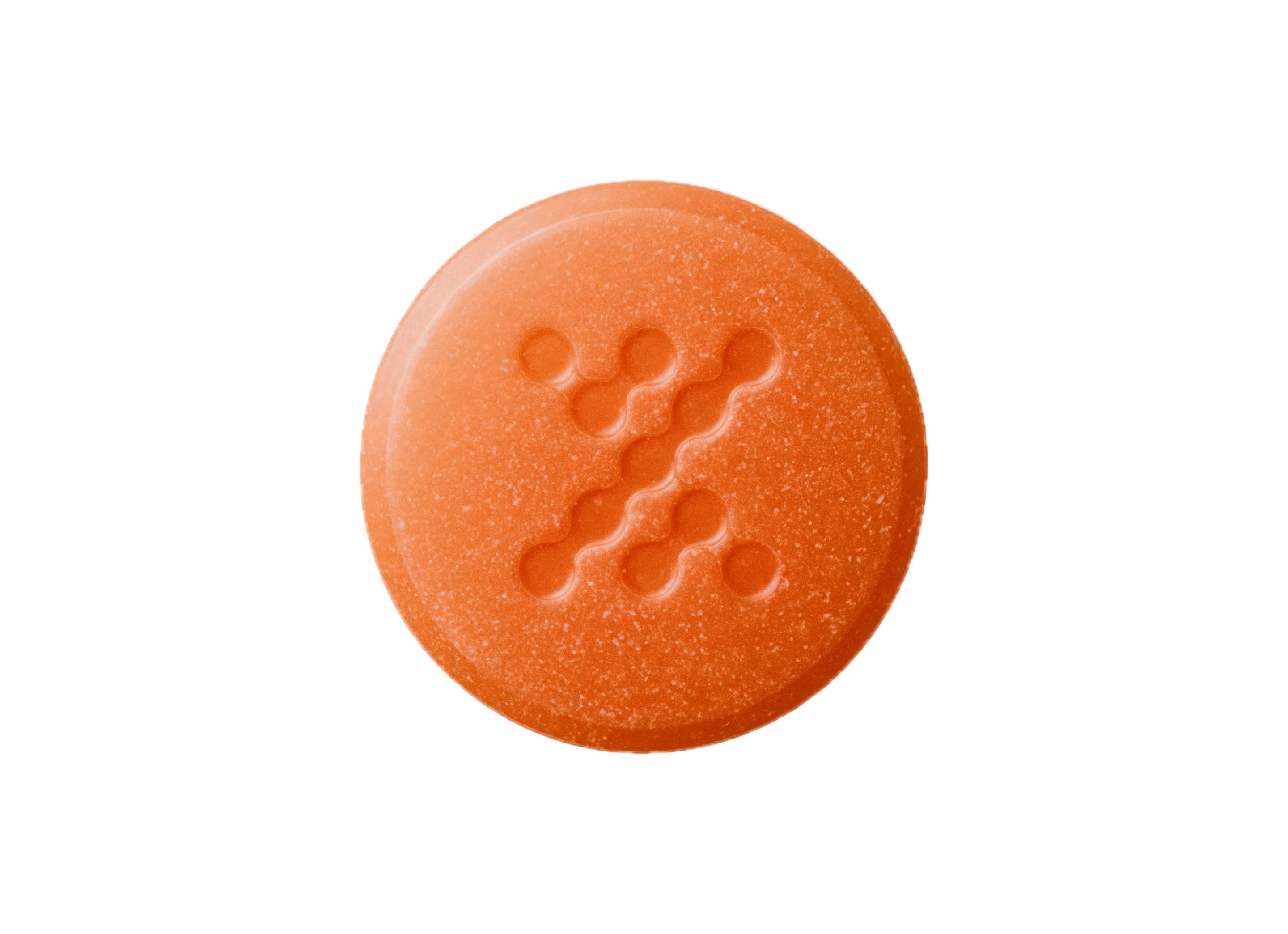
Clomid Tablet (25mg)
The 25mg tablet is the standard starting dose for most men. It provides effective stimulation of LH and FSH with a lower exposure to estrogenic side effects. Most men take this daily or every other day as directed.
Clomid Tablet (50mg)
The 50mg tablet is used for men who don't respond adequately to the lower dose or who require more aggressive hormonal stimulation. Your urologist will titrate upward only after reviewing follow-up labs to ensure the T/E ratio remains favorable.
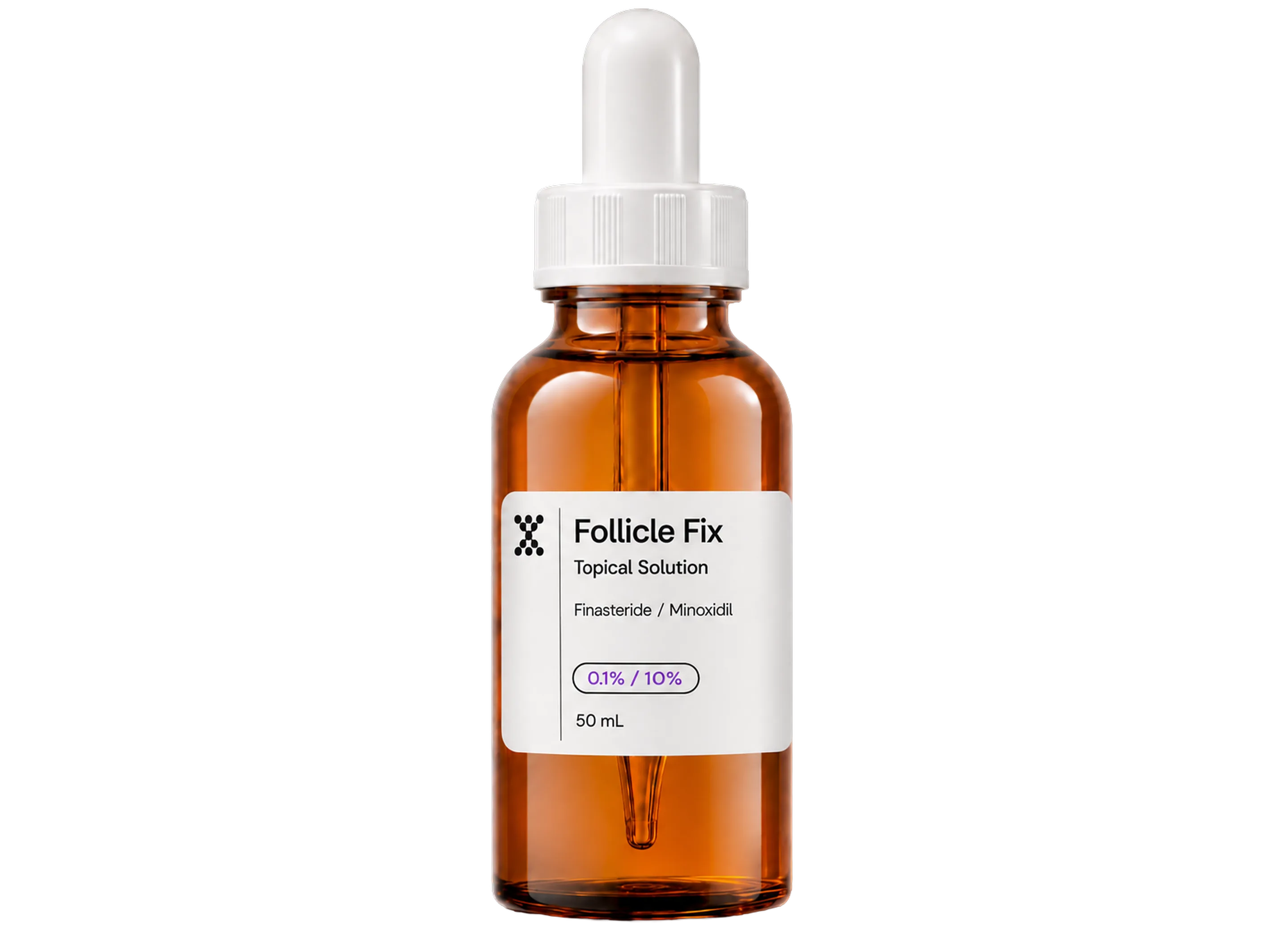
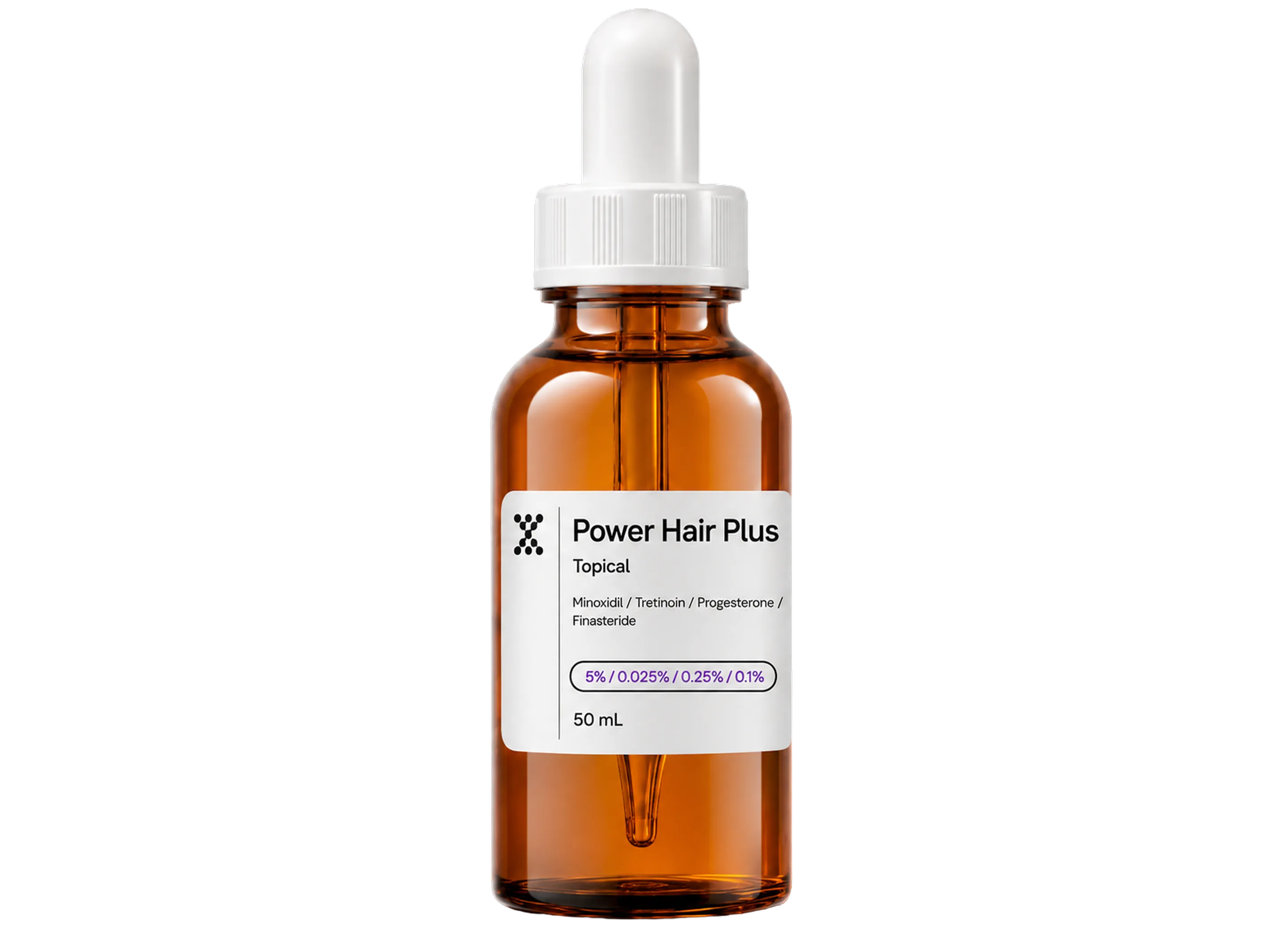
Clomiphene Citrate/Gonadorelin/Oxytocin/Pregnenolone/Tadalafil Troche
(625mcg/800mcg/100iu/40mg/8mg)
A custom-compounded troche that combines Clomiphene Citrate and Gonadorelin to support natural testosterone production and pituitary function, while Pregnenolone provides foundational hormone precursor support. Enhanced with Oxytocin for enhanced pleasure and Tadalafil for improved erectile response, this multi-action formula offers a comprehensive approach to male hormonal balance, libido, and sexual wellness.
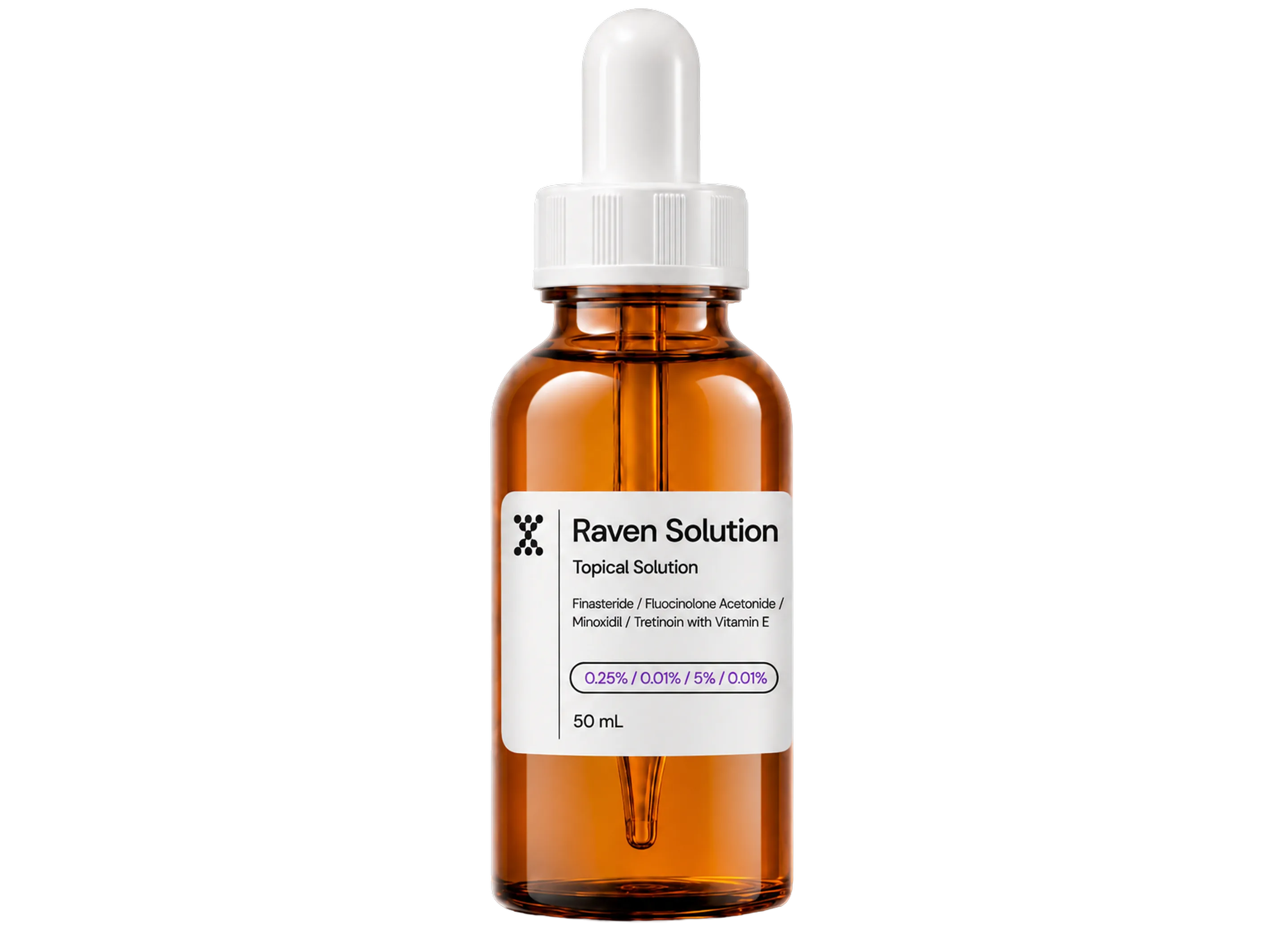
Clomiphene / DHEA / 7-Keto DHEA / Progesterone / Anastrozole Capsule (20/20/20/20/0.05mg)
A compounded multi-hormone capsule that combines clomiphene citrate with adrenal and estradiol-regulating agents for comprehensive hormonal optimization.
Risks and Side Effects of Clomid
Clomiphene citrate is generally well-tolerated in men, with a 2022 meta-analysis reporting that side effects occurred in fewer than 10% of patients and no serious adverse events were observed. That said, it's an off-label use and hormonal therapy, so monitoring and clinical oversight are essential throughout treatment.
Possible Side Effects
- Elevated estradiol levels, causing mood changes or breast tenderness
- Visual disturbances, including blurring, flashes, or photosensitivity
- Headache, dizziness, or mild GI discomfort
- Acne or skin flushing in some men
- Paradoxical decline in sperm parameters in a subset of patients (up to 20%)
- Mood swings or irritability, particularly at higher doses
Important Considerations
- Long-term safety data beyond 7 years in men is limited; most studies follow patients for 1-4 years
- Clomid is not FDA-approved for use in men and is prescribed off-label; prescribing requires physician expertise and ongoing lab monitoring
- Men with a history of liver disease, hormone-dependent tumors, or uncontrolled thyroid or adrenal dysfunction should consult with a urologist prior to use.
How Do You Take Clomid
Clomid is taken orally as a tablet. Here's what to expect with each dosing approach:
Daily Dosing (25mg or 50mg once daily)
Swallow one tablet whole each morning, with or without food. Morning dosing is preferred by most clinicians to maintain consistency with your body's natural hormonal rhythm, though there's no evidence-based mandate on timing. Don't crush or split the tablet.
Every-Other-Day Dosing (50mg)
Some providers use 50mg every other day as an alternative to daily 25mg. This approach can produce similar T elevations with slightly reduced cumulative estrogenic exposure. Your urologist will specify which protocol is right for you based on your labs.
Practical Tips
- Take at the same time each day to build a consistent habit
- Food doesn't affect absorption, so take it whenever is most convenient
- If you miss a dose, take it as soon as you remember, unless it's close to your next scheduled dose
- Never double-dose to make up for a missed tablet
- Store at room temperature, away from moisture and direct light
Who Can Use Clomid
- Men with secondary hypogonadism (low T with normal or low LH/FSH, indicating pituitary underactivity)
- Men with low testosterone who want to preserve fertility and avoid testicular atrophy
- Men who are trying to conceive and need to maintain sperm production while addressing hormonal deficiency
- Men who have tried TRT and experienced fertility-related side effects and want to transition to a fertility-preserving option
- Men on TRT who are considering adding Clomid as part of a post-cycle or fertility recovery protocol
- Men who prefer an oral medication over injectable testosterone therapy
- Younger men with secondary hypogonadism who want to avoid long-term HPG axis suppression
Who Should Not Take Clomid
- Men with primary hypogonadism (testicular failure), where the testes cannot respond to LH stimulation regardless of pituitary signaling
- Men with active or suspected hormone-dependent tumors (testicular, pituitary, or adrenal)
- Men with a history of liver disease or liver dysfunction
- Men with uncontrolled thyroid or adrenal disorders
- Men with a hypersensitivity to clomiphene or any component of the formulation
- Men with pre-existing visual disturbances (clomiphene may worsen certain ocular conditions)
- Anyone not under the direct supervision of a licensed physician
What Do You Need to Monitor on Clomid
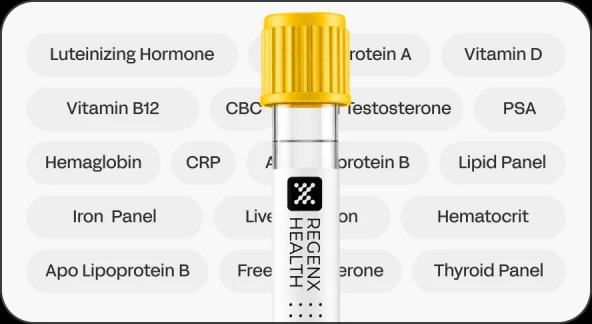
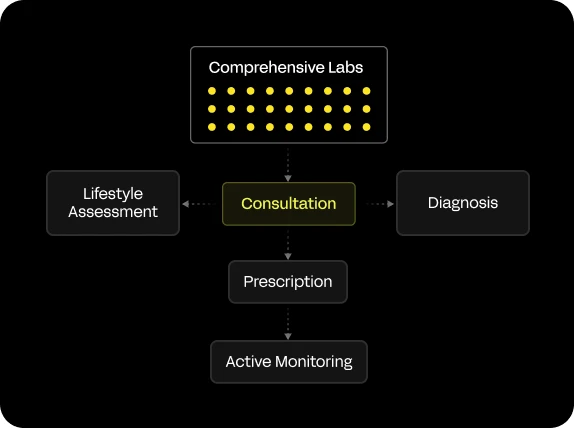
REGENX Health uses a lab-guided approach to every prescription. On clomiphene citrate, your board-certified urologist reviews labs at baseline and at each follow-up to make sure testosterone is responding appropriately, estradiol stays in range, and there are no early signs of side effects.
- Total Testosterone (TT): target range 450-900 ng/dL on therapy and dependent on age adjusted values.
- Free Testosterone (fT): ensure bioavailable T is rising, not just SHBG-bound fraction
- Estradiol (E2): elevated E2 is the most common driver of mood changes and breast tenderness on Clomid; monitor closely
- LH and FSH: confirm the pituitary is responding to clomiphene's receptor blockade
- SHBG: rising SHBG can blunt the benefit of elevated total T; relevant context for interpreting free T
- PSA: baseline and annual monitoring for men over 40
- Semen Analysis (SA): for men using Clomid for fertility, check SA prior to treatment then at 6-12 months since sperm parameter benefits may take longer than testosterone response
- Liver Function Tests (ALT, AST): especially on initial labs, given rare reports of hepatic side effects
Clinical Research on Clomid (Clomiphene Citrate)
The following research supports the clinical rationale for clomiphene citrate in men. All studies are reviewed for relevance by the REGENX Health clinical team.
- Clomiphene citrate for men with hypogonadism: a systematic review and meta-analysis (Huijben et al., 2022): A meta-analysis of 17 studies (1,279 patients) found total testosterone rose significantly on clomiphene, with hypogonadal symptom scores improving and side effects occurring in fewer than 10% of patients.
- Clomiphene citrate: A potential alternative for testosterone therapy in hypogonadal males (Huijben et al., 2023): A retrospective single-center study of 153 men found 89% achieved a biochemical rise in testosterone, with sustained elevations confirmed at 8 years of follow-up and few clinically significant side effects.
- Clomiphene or enclomiphene citrate for the treatment of male hypogonadism: a systematic review and meta-analysis of randomized controlled trials (Hohl et al., 2025): Pooled RCT data confirmed SERM therapy raised total testosterone by a mean of 273.76 ng/dL over placebo, with significant improvements in LH and FSH versus testosterone gel.
- Clomiphene citrate for male infertility: A systematic review and meta-analysis (Huijben et al., 2023): Analysis of 15 studies (566 men) demonstrated that clomiphene increased sperm concentration by a mean of 8.38 million/mL and improved total sperm motility by 8.14 percentage points with no serious adverse events.
- Clomiphene citrate effects on testosterone/estrogen ratio in male hypogonadism (Shabsigh et al., 2005): A prospective study of 36 hypogonadal men on 25mg daily Clomid showed nearly 150% increases in serum testosterone and significant improvement in the testosterone-to-estradiol ratio, with no serious adverse events.
Frequently Asked Questions About Clomiphene Capsule
What is Clomid?
Clomid is the brand name for clomiphene citrate, a selective estrogen receptor modulator (SERM) that's been used in medicine since the 1960s. In men, it works by blocking estrogen receptors in the hypothalamus and pituitary, which prevents the normal negative feedback loop that keeps testosterone production in check. The result is a natural rise in LH and FSH, which then signals the testes to produce more testosterone and maintain sperm production. It's prescribed off-label by physicians for secondary hypogonadism in men.
What are the benefits of clomiphene citrate for men?
The primary benefit is raising testosterone naturally without suppressing the HPG axis. This means your testicles keep functioning, sperm production is maintained or improved, and you don't experience testicular atrophy the way you would on TRT. Men on clomiphene typically report improvements in energy, libido, mood, and mental clarity as testosterone normalizes. It's also one of the few options that can address both low T and male fertility simultaneously, which makes it particularly valuable for men in their reproductive years.
How is clomiphene citrate administered?
Clomid comes as an oral tablet in 25mg and 50mg doses. Most men take it once daily or every other day, with or without food. There are no injections involved, and the medication is taken at home on a schedule set by your physician. Your REGENX Health urologist will determine your specific dosing frequency based on your baseline labs and adjust it at follow-up based on your testosterone and estradiol response.
What are the side effects of Clomid in men?
Most men tolerate clomiphene citrate well. The most common side effects involve elevated estradiol, which can cause mood changes, breast tenderness, or gynecomastia in rare cases. Visual disturbances (blurring, light sensitivity, flashes) are also reported, and if they occur, you should stop the medication and contact your physician. Headache, acne, and GI upset can also occur. Serious adverse events are rare, with large-scale reviews reporting side effects in fewer than 10% of patients. Paradoxically, a subset of men (roughly 20%) may see a temporary decline in sperm parameters, which is why semen analysis monitoring is important.
Can Clomid be combined with TRT or other peptides?
Clomid isn't typically stacked with active TRT because TRT suppresses the very axis that Clomid is trying to stimulate. However, it's commonly used as a bridge during TRT discontinuation, or as an alternative to TRT for men who want to preserve fertility. Some providers use it alongside peptides like Sermorelin or Ipamorelin, where there's no axis conflict, to address both testosterone and growth hormone optimization simultaneously. Your REGENX Health urologist will determine whether a combination approach fits your goals and labs.
How long does it take for Clomid to work?
Most men see measurable testosterone increases within 4-8 weeks of starting clomiphene citrate. Subjective improvements in energy, libido, and mood often follow over 8-12 weeks as testosterone rises and stabilizes. If you're taking Clomid for fertility, sperm parameter improvements tend to take longer, with significant changes typically appearing at the 9-month mark based on recent longitudinal research. Your urologist will set appropriate expectations based on your starting labs and goals.
Do I need a prescription for clomiphene citrate?
Yes. Clomiphene citrate is a prescription medication in the United States and cannot be legally obtained without a valid physician's order. REGENX Health's board-certified urologist will evaluate your labs, symptoms, and medical history before prescribing. Self-prescribing or purchasing Clomid from unregulated online sources is not only illegal but carries significant health risks, since you won't have the clinical monitoring needed to catch elevated estradiol or other emerging issues.
Where can I get a Clomid prescription online?
REGENX Health offers online clomiphene citrate prescriptions through a fully telemedicine-based process. You'll consult directly with a board-certified urologist, complete lab work at a location convenient to you, and receive your medication mailed discreetly to your home or office. There are no waiting rooms and no weekly clinic visits. If you're searching for clomid prescription online or wondering how to get clomiphene citrate for men without visiting a clinic in person, REGENX Health is designed exactly for that.
What does Clomid cost?
Clomiphene citrate is one of the most affordable options in men's hormonal health. As a generic medication, it's significantly less expensive than injectable testosterone or branded therapies. At REGENX Health, your monthly investment covers the medication, physician oversight, lab work, and medication delivery with no hidden fees. Contact REGENX Health directly for current pricing specific to your prescribed dose and protocol.
Is Clomid used in bodybuilding or post-cycle therapy (PCT)?
Yes. Clomid has a long history of use in post-cycle therapy (PCT) among men who have used anabolic steroids or supraphysiologic testosterone. After a cycle, endogenous testosterone production is suppressed, and clomiphene citrate is used to restart the HPG axis by stimulating LH and FSH secretion. This is an off-label use, and results vary depending on the length and intensity of the prior cycle. At REGENX Health, we treat secondary hypogonadism in men medically, including cases where prior steroid use has resulted in persistent suppression of the HPG axis.
What is the difference between Clomid and enclomiphene?
Clomid (clomiphene citrate) is a mixture of two isomers: enclomiphene (the active isomer) and zuclomiphene (which has estrogenic properties). Enclomiphene on its own raises LH, FSH, and testosterone more directly, with less estrogenic activity. In practice, both can raise testosterone effectively, but enclomiphene tends to produce a cleaner hormonal profile with less estradiol elevation and fewer mood-related side effects. Your REGENX Health urologist will help you determine which option is the better clinical fit based on your labs and symptom profile.