






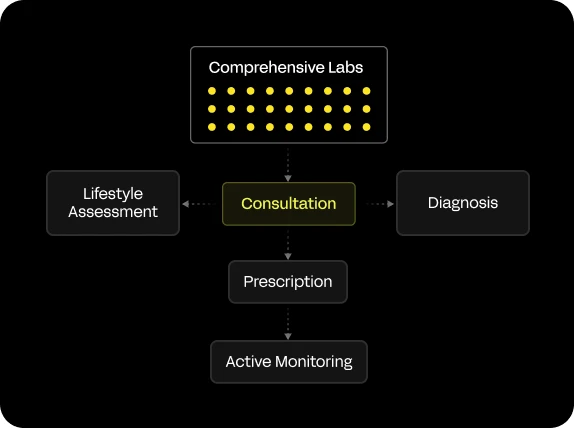





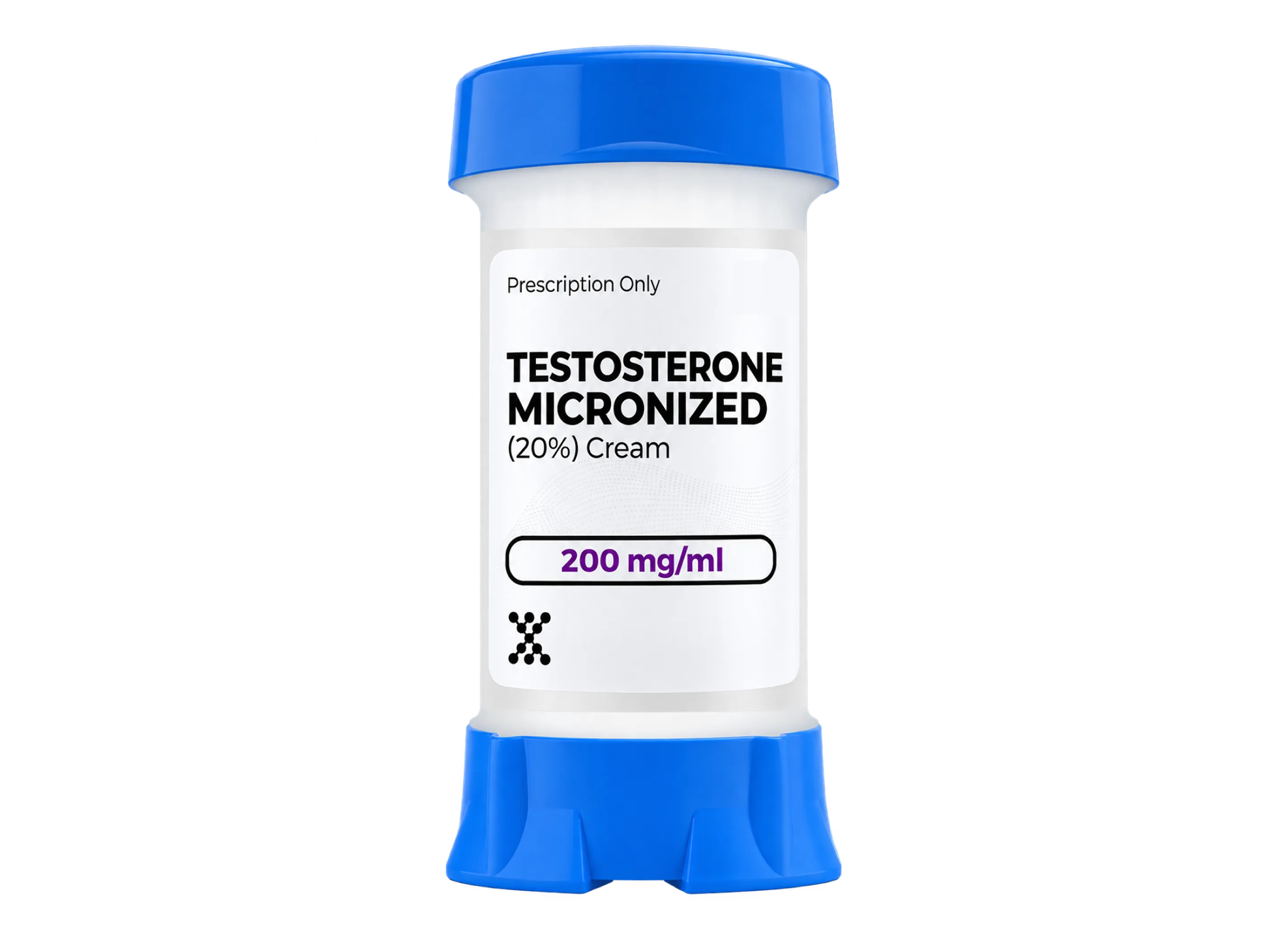
Testosterone cream and gel are topical prescription formulations that deliver testosterone directly through the skin, bypassing the liver and maintaining steady hormone levels without the peaks and troughs that can come with injections. Both work by the same transdermal mechanism: testosterone absorbs through the skin into the bloodstream, where it restores serum levels to the normal physiologic range. Clinical trials have confirmed that transdermal testosterone improves sexual function, lean mass, mood, and energy in hypogonadal men with minimal application site reactions compared to patches. At REGENX Health, testosterone cream and gel prescriptions are managed by a board-certified urologist who selects the right formulation and strength based on your labs, symptoms, and treatment goals.
Benefits of Testosterone Cream / Gel
Topical testosterone produces meaningful improvements across energy, body composition, sexual function, and mood. A multicenter clinical trial published in The Journal of Clinical Endocrinology & Metabolism confirmed that transdermal testosterone gel increased lean mass, decreased fat mass, and improved sexual function and mood in hypogonadal men across 180 days of treatment.
- Restored testosterone levels within the physiologic range
- Increased lean muscle mass and reduced body fat
- Improved libido, sexual desire, and erectile function
- Elevated energy levels and reduced fatigue
- Better mood stability and reduced irritability
- Improved bone mineral density with long-term use
- Lower risk of polycythemia compared to injectable testosterone
- Needle-free daily application with no injection site discomfort
Testosterone Cream / Gel Dosage and Formulations
REGENX Health offers multiple topical testosterone formulations, and your board-certified urologist selects the right option based on your lab results, body composition, and clinical presentation. Dosing is titrated over time to keep serum testosterone in the optimal physiologic range (600-1,000 ng/dL).
Testosterone Gel 1% (50-100 mg/day)
The original FDA-approved transdermal gel, applied once daily to the upper arms, shoulders, or abdomen. Dose is typically started at 50 mg and adjusted based on follow-up lab values.
Testosterone Gel 1.62% (20.25-81 mg/day)
A higher-concentration gel requiring a smaller volume of product per dose. Applied to the upper arms or shoulders once daily. Phase 3 clinical data shows over 82% of men achieve eugonadal testosterone levels with proper dose titration.
Compounded Testosterone Cream (100-200 mg/g, various concentrations)
Custom-compounded creams allow for precise dosing adjustments and alternative bases for men with skin sensitivities. Available in standard topical or lipoderm base for enhanced absorption.
Scrotal Testosterone Cream (25-50 mg/day)
Applied directly to scrotal skin, which has significantly higher permeability than other body areas. Clinical pharmacokinetic data shows that scrotal application achieves therapeutic testosterone levels with lower doses and elevates DHT, which some men find beneficial for libido and energy.
Risks and Side Effects of Testosterone Cream / Gel
Topical testosterone formulations are generally well-tolerated with a lower rate of polycythemia and erythrocytosis compared to injectable testosterone. A comprehensive review published in Clinical Interventions in Aging confirmed that testosterone gel demonstrates superior tolerability compared to transdermal patches, with application site reactions occurring in only about 5.5% of gel users versus over 60% of patch users.
Possible Side Effects
- Skin irritation, redness, or dryness at the application site
- Acne or oily skin
- Elevated hematocrit (less common than with injections)
- Increased PSA (prostate-specific antigen), typically modest and within normal range
- Gynecomastia if estradiol rises without monitoring
- Unintentional transfer to a partner, child, or pet via skin contact
Important Considerations
- Long-term safety data beyond 3 years is limited for some compounded formulations; periodic lab monitoring is required
- Topical testosterone suppresses natural testosterone production and may reduce sperm count; men who want to preserve fertility should discuss alternatives
- Contraindicated in men with active or suspected prostate or breast cancer; use with caution in men with significant cardiac, renal, or hepatic disease
How Do You Take Testosterone Cream / Gel
Standard Gel (Upper Arms, Shoulders, or Abdomen)
Apply the prescribed amount once daily in the morning to clean, dry skin on the upper arms, shoulders, or abdomen. Do not apply to the genitals. Let the gel dry completely (3-5 minutes) before covering with clothing. Wash hands thoroughly with soap and water immediately after application.
Scrotal Cream
Applied directly to dry scrotal skin once daily in the morning. The scrotum has much higher skin permeability, so lower milligram doses are required. Ensure skin is clean and dry before applying. Testosterone reaches peak serum levels within approximately 2 hours of scrotal application.
Practical Tips for All Topical Formulations
- Apply at the same time each day to maintain consistent serum levels
- Allow complete drying before covering with clothing or showering (wait at least 2 hours before swimming or bathing)
- Avoid applying to broken, irritated, or recently shaved skin
- Cover the application area with clothing before skin-to-skin contact with a partner or child
- Store at room temperature (59-85 degrees F) away from direct heat or sunlight
Who Can Use Testosterone Cream / Gel
- Adult men with confirmed hypogonadism (two fasting morning testosterone values below 300 ng/dL) and associated symptoms
- Men who prefer a needle-free daily routine over weekly or biweekly injections
- Men who experience significant mood or energy fluctuations between injection doses and want more stable hormone delivery
- Men with elevated hematocrit on injectable testosterone who may benefit from topical delivery, which is associated with lower erythrocytosis risk
- Men with skin sensitivities to gel bases who need a compounded cream formulation with an alternative carrier
- Men currently on TRT who want to add peptide therapy (such as Sermorelin or CJC-1295/Ipamorelin) to further optimize body composition, recovery, and growth hormone output
Who Should Not Take Testosterone Cream / Gel
- Men with known or suspected prostate cancer or breast cancer
- Men with serious untreated cardiac, hepatic, or renal disease
- Men actively trying to conceive, as topical testosterone suppresses sperm production (alternatives like Gonadorelin or HCG may be more appropriate)
- Women who are pregnant or breastfeeding, or women who may become pregnant; accidental exposure can cause virilization and fetal harm
- Anyone not under the supervision of a licensed physician with access to regular lab monitoring
What Do You Need to Monitor on Testosterone Cream / Gel
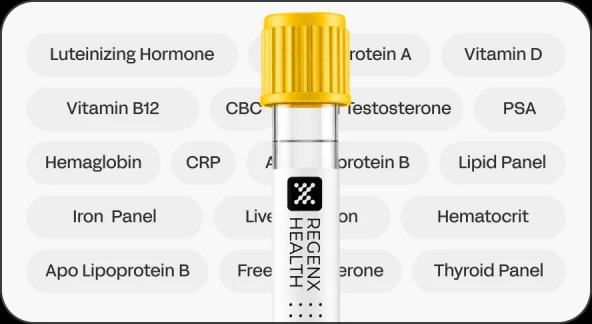
All REGENX Health patients on testosterone cream or gel are monitored through a structured lab protocol, with levels checked every 3-6 months or sooner at physician discretion. Monitoring is the cornerstone of safe, effective topical TRT.
- Total testosterone and free testosterone
- Lipid Panel
- Estradiol (E2): elevated levels can cause gynecomastia, water retention, and mood changes; managed with anastrozole if needed
- Hematocrit and hemoglobin (CBC): erythrocytosis is less common with topical TRT than injectables but still monitored closely
- PSA (prostate-specific antigen): baseline and periodic monitoring per AUA guidelines
- LH and FSH: tracked in men concerned about fertility or testicular atrophy
- ALT and AST (liver enzymes): standard panel; topical testosterone avoids hepatic first-pass metabolism, reducing liver enzyme risk
- IGF-1: tracked in men who stack topical TRT with growth hormone peptides such as Sermorelin or Tesamorelin
Clinical Research on Testosterone Cream / Gel
The following research supports the clinical rationale for testosterone cream and gel in the treatment of male hypogonadism. All studies are reviewed for relevance by the REGENX Health clinical team.
- Transdermal Testosterone Gel Improves Sexual Function, Mood, Muscle Strength, and Body Composition in Hypogonadal Men (Wang et al., 2000): Landmark phase 3 trial in 227 hypogonadal men showing that T gel increased lean mass, reduced fat mass, and improved sexual function and mood across 180 days, with fewer application site reactions than testosterone patches.
- Safety and Efficacy of Testosterone Gel in the Treatment of Male Hypogonadism (Lakshman & Basaria, 2009): A comprehensive review concluding that testosterone gel achieves therapeutic serum levels within 24 hours, maintains them throughout the day, and is associated with lower polycythemia risk and better tolerability than injectable or patch formulations.
- Pharmacokinetics of Testosterone Cream Applied to Scrotal Skin (Handelsman et al., 2017): Demonstrated that scrotal application of testosterone cream produces rapid, dose-dependent increases in serum testosterone (peak at 1.9-2.8 hours), maintaining physiologic levels for 16 hours at a 25 mg dose with no significant changes in estradiol.
- Efficacy and Safety Study of 1.62% Testosterone Gel for the Treatment of Hypogonadal Men (Dobs et al., 2012): Phase 3, double-blind, placebo-controlled trial (234 active participants) confirming that 81.6-82.5% of men on 1.62% testosterone gel achieved eugonadal testosterone concentrations versus 28.6-37.0% on placebo.
- One-Year Efficacy and Safety Study of 1.62% Testosterone Gel in Hypogonadal Men (Swerdloff et al., 2012): 364-day open-label extension confirming sustained efficacy and safety of daily testosterone gel, with most men maintaining testosterone levels in the eugonadal range throughout the full year.
Frequently Asked Questions About Testosterone Micronized 200mg/ml (20%) Cream
What is testosterone cream and gel?
Testosterone cream and gel are topical prescription formulations used to treat male hypogonadism, a condition where the body produces insufficient testosterone. Both deliver testosterone through the skin and into the bloodstream. The difference is mainly in the carrier base: gels use a hydroalcoholic base that dries quickly on the skin, while creams use an oil-in-water or lipoderm base that feels more moisturizing. Medically, they work the same way.
What are the benefits of testosterone cream and gel for men?
The clinical benefits of topical testosterone for men with hypogonadism include improved libido and sexual function, increased lean muscle mass, reduced body fat, better energy and mood, and improved bone density over time. Because topical delivery produces steady hormone levels throughout the day, many men report fewer mood swings and energy fluctuations compared to weekly or biweekly injections. You'll also avoid needles entirely, which matters for a lot of men.
How is topical testosterone administered?
Standard gels are applied once daily to the upper arms, shoulders, or abdomen in the morning. Compounded testosterone cream can be applied to the same sites, or to the scrotal skin for faster absorption and a lower required dose. After application, let the product dry fully before covering with clothing, and always wash your hands immediately afterward. Do not shower or swim for at least two hours after applying.
What are the side effects of testosterone cream and gel?
Common side effects include skin irritation, acne, and elevated PSA (usually modest). Testosterone suppresses natural sperm production, which matters for men who want to have children. A less-common but important risk is unintentional transfer to a partner or child through skin-to-skin contact. Polycythemia (elevated red blood cell count) is less common with topical testosterone than with injections, but still possible and monitored through regular labs.
What is scrotal testosterone cream?
Scrotal testosterone cream is applied directly to the scrotal skin rather than the arms or abdomen. Scrotal skin has much higher permeability than other areas of the body, which means you need a significantly lower dose to achieve the same serum testosterone levels. Scrotal application also produces higher DHT levels, since scrotal skin is rich in 5-alpha-reductase. Some men report improved libido and energy with the DHT boost, while others prefer non-scrotal application to minimize DHT elevation.
How does testosterone cream compare to injections?
Injections (typically testosterone cypionate or enanthate) are administered once or twice weekly and produce higher peak testosterone levels followed by a gradual decline. This can cause some men to feel great the first few days and then experience a noticeable drop in energy or mood as the dose wears off. Testosterone cream and gel produce steadier daily levels with no injection peaks or troughs, and the research shows a lower risk of erythrocytosis (elevated red blood cell count) compared to injectable forms. The tradeoff is daily application and the need to avoid transferring the product to others.
Can testosterone cream or gel be combined with peptide therapy?
Yes, and it's a common approach at REGENX Health. Men on topical TRT who want to further optimize body composition, recovery, and growth hormone output frequently add peptides like Sermorelin, CJC-1295/Ipamorelin, or Tesamorelin to their protocol. Testosterone provides the hormonal foundation for muscle growth and fat loss, while growth hormone peptides support pituitary function, lean mass, and recovery. Your board-certified urologist will design a stacking protocol based on your labs and goals.
How long does it take testosterone cream or gel to work?
Serum testosterone levels begin rising within hours of your first application and typically reach steady-state within 24 hours. Lab confirmation of therapeutic levels usually happens at the 2-4 week mark. Symptom improvements follow a longer timeline: energy and mood often improve within 3-6 weeks, libido and sexual function within 4-8 weeks, and body composition changes (lean mass gains, fat reduction) are usually measurable after 3-6 months of consistent use.
Do I need a prescription for testosterone cream or gel?
Yes. Testosterone is a Schedule III controlled substance in the United States and requires a prescription from a licensed physician. At REGENX Health, a board-certified urologist reviews your lab work and medical history online, and if you qualify, issues a testosterone cream or gel prescription that ships directly to your door. You do not need to visit a clinic in person.
Where can I get a testosterone cream or gel prescription?
You can get a testosterone cream prescription or testosterone gel prescription online through REGENX Health without visiting a clinic. Our board-certified urologist conducts your consultation via telemedicine, reviews your lab work (drawn locally at a time convenient to you), and ships medication directly to your home if you qualify. This makes testosterone therapy accessible regardless of where you live.
What does testosterone cream or gel cost?
The cost of topical testosterone therapy at REGENX Health includes your physician visits, medication, supplies, and lab monitoring. Testosterone gel prescription pricing depends on the formulation and strength. Compounded testosterone cream typically costs less than brand-name gel products and can be tailored to your specific dose requirements. Contact REGENX Health directly for current pricing based on your preferred formulation.
Is testosterone cream or gel the same as a testosterone lipoderm cream?
Testosterone lipoderm cream is a specific type of compounded testosterone cream that uses a lipoderm base (a transdermal carrier system) designed to enhance skin penetration and absorption. It functions identically to other topical testosterone formulations in terms of mechanism and benefits, but some men find it absorbs more efficiently or is less likely to cause dryness. Your REGENX Health physician can prescribe a lipoderm formulation if it fits your clinical profile.