






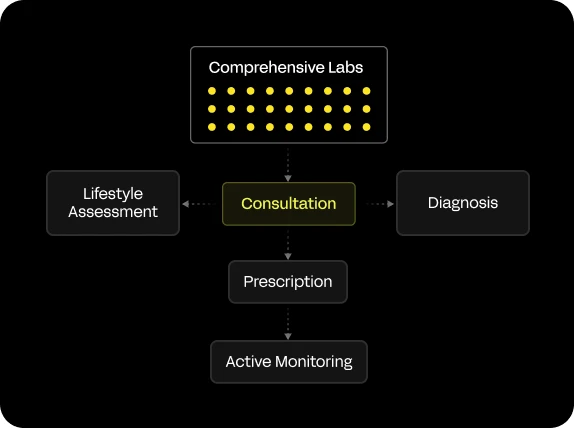






Tamoxifen (tamoxifen citrate) is a selective estrogen receptor modulator (SERM) used clinically in both men and women. In men, Tamoxifen competitively binds to estrogen receptors in target tissues, blocking estrogen's downstream effects without lowering testosterone production. For men on testosterone replacement therapy, Tamoxifen is used off-label in conjunction with anastrozole (Arimidex) to help manage estradiol levels. At REGENX Health, a board-certified urologist prescribes Tamoxifen for men as part of a lab-guided protocol tailored to each patient's clinical case.
Benefits of Tamoxifen for Men
Tamoxifen supports hormonal health in men by selectively blocking estrogen receptors in breast tissue and stimulating the hypothalamic-pituitary axis to increase endogenous testosterone production. Tamoxifen has been shown to be a moderately effective SERM, yet clinical research demonstrates that off-label use of tamoxifen citrate in men is a more effective adjunctive therapy for controlling symptoms of gynecomastia.
- Reduction and prevention of gynecomastia (male breast tissue enlargement)
- Stimulation of endogenous LH and FSH, supporting natural testosterone production
- Support for fertility preservation in men on or transitioning off testosterone therapy
- Post-cycle hormonal recovery support after testosterone or anabolic steroid use
- Estrogen management without full suppression of systemic estrogen levels
- Well-established safety and pharmacology profile
- Convenient oral administration with once-daily dosing
- Can be used alongside TRT or peptide therapy under physician supervision
Tamoxifen Dosage and Formulations
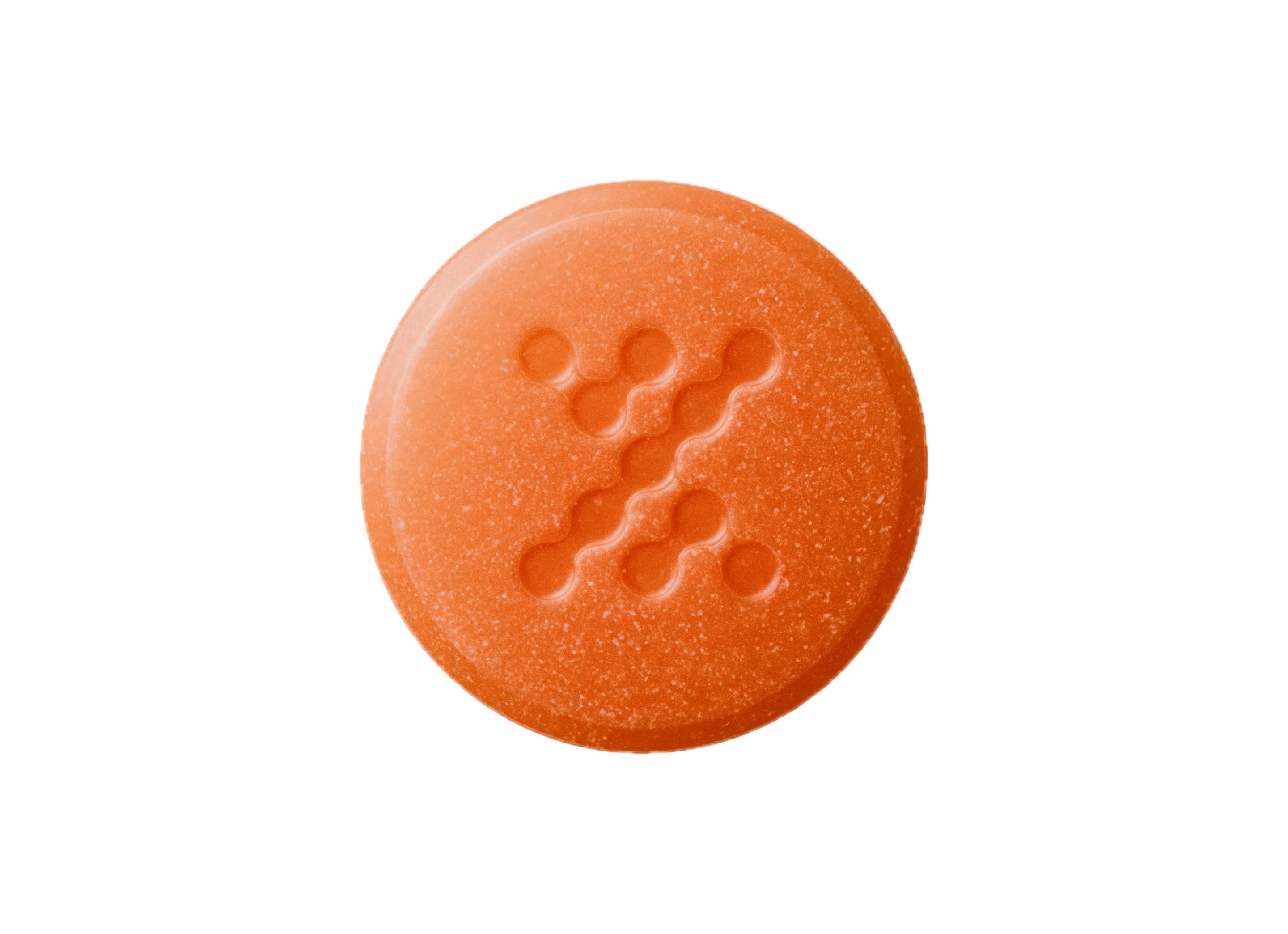
REGENX Health offers tamoxifen citrate in oral tablet form to accommodate different treatment goals, dosing preferences, and patient schedules. Your board-certified urologist selects the formulation and dosage based on your lab results and clinical profile.
Tamoxifen Citrate Tablet (10mg)
Lower-dose oral tablet suitable for gynecomastia prevention, mild post-cycle hormonal support, or as a maintenance dose under physician supervision. The 10mg dose is commonly used for ongoing estrogen management in men on TRT who need targeted receptor-level estrogen control.
Tamoxifen Citrate Tablet (20mg)
Therapeutic dose for symptomatic gynecomastia treatment and post-cycle recovery protocols. The 20mg tamoxifen dose is commonly prescribed off-label when estradiol levels are refractory to anastrazole, and there are continued symptoms of gynecomastia that are prevalent. Dosing frequency and treatment duration are determined by your urologist based on your lab work and clinical response.
Risks and Side Effects of Tamoxifen
Tamoxifen has a well-characterized safety profile supported by decades of clinical use. In men, it is generally well-tolerated at therapeutic doses. As with any prescription medication, there are potential side effects and important considerations your urologist will review with you before prescribing.
Possible Side Effects:
- Hot flashes or mood changes due to estrogen receptor modulation
- Decreased libido in some men, particularly at higher doses or with prolonged use
- Mild nausea or gastrointestinal discomfort, especially early in treatment
- Visual disturbances are rare; report any changes in vision to your physician immediately
- Elevated triglyceride levels in some patients, monitored via lab work
Important Considerations:
- Tamoxifen has a long half-life of approximately 5 to 7 days, with its active metabolite endoxifen reaching up to 14 days, meaning dosing adjustments take time to reflect in lab values
- Men with a personal or family history of thromboembolic events should discuss clotting risk with their urologist before starting tamoxifen
- Tamoxifen should not be used by men with estrogen-receptor-positive cancers without oncologist clearance, as it influences hormone-sensitive pathways
How Do You Take Tamoxifen
The method of tamoxifen administration depends on your treatment goals, schedule, and your urologist's recommendation.
Oral Tablet
Tamoxifen citrate is taken orally with water once daily or twice daily, depending on dosage. It can be taken with or without food, though taking it with a small meal may reduce nausea in patients who experience early gastrointestinal discomfort.
Best Time of Day
Tamoxifen can be taken at any time of day. Most patients take it in the morning to establish a consistent routine. Because of its long half-life, the exact timing of each dose is less critical than taking it at the same time daily.
Empty Stomach vs. With Food
Tamoxifen does not require food for absorption. However, patients who experience mild nausea when starting tamoxifen may find that taking it with food reduces discomfort. There is no clinically meaningful impact on bioavailability either way.
Who Can Use Tamoxifen
- Men experiencing gynecomastia, either pubertal, idiopathic, or associated with testosterone or anabolic steroid use
- Men on testosterone replacement therapy who need estrogen management
- Men coming off a testosterone or anabolic steroid cycle who want to restore endogenous testosterone production
- Men seeking fertility preservation alongside hormonal optimization, as tamoxifen stimulates LH and FSH without suppressing the HPT axis
- Men with elevated estrogen relative to testosterone, confirmed by lab results
Who Should Not Take Tamoxifen
- Patients with a personal or family history of deep vein thrombosis, pulmonary embolism, or thromboembolic events without physician risk assessment
- Patients with estrogen-receptor-positive cancers or a history of hormone-sensitive malignancy without explicit oncologist clearance
- Patients taking strong CYP2D6 inhibitors such as certain SSRIs (paroxetine, fluoxetine) without physician review, as these reduce conversion to tamoxifen's active metabolite
- Men with uncontrolled hepatic impairment or significantly elevated liver enzymes
- Anyone not under the supervision of a licensed physician for tamoxifen therapy
What Do You Need to Monitor on Tamoxifen Therapy
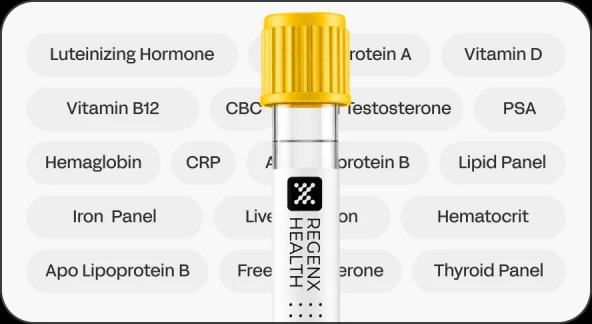
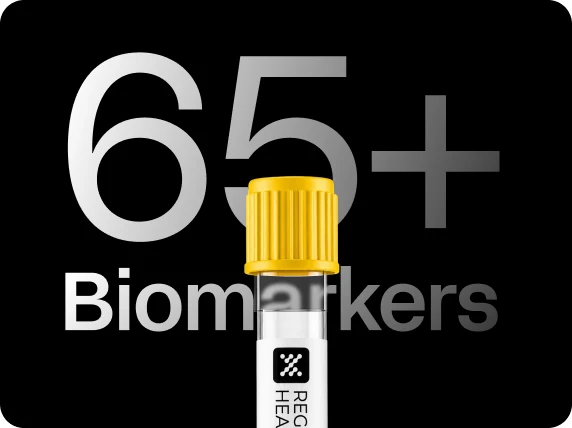
Tamoxifen therapy at REGENX Health includes lab monitoring to track your hormonal response and ensure safety. Key markers your urologist will review:
- Testosterone (total and free) and estradiol (E2) to confirm tamoxifen is achieving the intended hormonal effect and estrogen is within range
- LH and FSH to monitor pituitary axis stimulation, particularly in post-cycle or fertility protocols
- Liver function tests (ALT, AST) as tamoxifen is hepatically metabolized and enzyme elevation should be monitored
- Lipid panel (LDL, HDL, triglycerides) as tamoxifen can affect lipid metabolism, particularly triglyceride levels
- Symptomatic improvement from gynecomastia
Clinical Research on Tamoxifen for Men
The following research supports the clinical rationale for tamoxifen use in men. All studies are reviewed for relevance by the REGENX Health clinical team.
- Role of tamoxifen in idiopathic gynecomastia: A 10-year prospective cohort study (Ramirez et al., 2018). The largest prospective cohort study to date on tamoxifen for idiopathic gynecomastia. 81 men treated with tamoxifen 10mg daily over 10 years; 90.1% achieved complete resolution of gynecomastia. Supports tamoxifen as a first-line medical option for eligible men. Published in Breast Journal.
- Treatment of gynecomastia with tamoxifen: a double-blind crossover study (McDermott et al., 1986). Randomized double-blind crossover trial comparing tamoxifen 10mg twice daily against placebo. Seven of ten patients experienced measurable reduction in gynecomastia with tamoxifen (p less than 0.005); no toxicity was observed. Published in Metabolism: Clinical and Experimental.
- Prevention and management of bicalutamide-induced gynecomastia and breast pain: randomized endocrinologic and clinical studies with tamoxifen and anastrozole (Boccardo et al., 2005). Randomized double-blind placebo-controlled multicenter trial in 107 men. Tamoxifen 20mg daily significantly reduced gynecomastia incidence compared to anastrozole and placebo. Serum testosterone levels increased with tamoxifen relative to placebo. Published in the Journal of Clinical Oncology.
- Tamoxifen citrate therapy in male infertility (AinMelk et al., 1987). Prospective randomized double-blind crossover study in 16 infertile men with idiopathic oligozoospermia. Tamoxifen 20mg daily produced significant increases in FSH, LH, estradiol, and testosterone compared to placebo (p less than 0.001), confirming tamoxifen's stimulatory effect on the hypothalamic-pituitary-gonadal axis. Published in Fertility and Sterility.
- Tamoxifen in men: a review of adverse events (Wibowo et al., 2016). Systematic review of randomized controlled trials assessing tamoxifen safety across male populations including gynecomastia, infertility, and prostate cancer. Fewer than 5% of men discontinued tamoxifen due to adverse events, with the lowest adverse event rates reported in men using tamoxifen for infertility and idiopathic gynecomastia. Published in Andrology.
Frequently Asked Questions About Tamoxifen Tablet
What is Tamoxifen?
Tamoxifen is a selective estrogen receptor modulator (SERM) used in men to treat gynecomastia, support post-cycle hormonal recovery, and stimulate endogenous testosterone production. It works by blocking estrogen receptors in breast tissue and by reducing estrogen's negative feedback on the pituitary, which increases LH and FSH output and drives natural testosterone synthesis.
What are the benefits of Tamoxifen for men?
Tamoxifen for men supports reduction of gynecomastia, increases endogenous testosterone by stimulating LH and FSH, assists with post-cycle hormonal recovery, and helps preserve fertility in men transitioning off exogenous testosterone. It manages estrogen receptor activity without fully suppressing systemic estrogen, which preserves benefits such as libido, cardiovascular health, and joint function.
How is Tamoxifen therapy administered?
Tamoxifen is taken as an oral tablet once daily, with or without food. At REGENX Health, your board-certified urologist recommends the dose and duration based on your lab results, treatment goals, and whether you are using tamoxifen for gynecomastia, post-cycle recovery, or ongoing hormonal support.
What is the Tamoxifen half-life?
Tamoxifen has a terminal half-life of approximately 5 to 7 days. Its primary active metabolite, endoxifen, has a half-life of approximately 14 days. This means steady-state blood levels develop over the first 3 to 6 weeks of treatment, and the full therapeutic effect of a dose or dose adjustment takes time to become measurable. Lab monitoring at REGENX Health is timed to account for this accumulation period.
Do I need a prescription for tamoxifen?
At REGENX Health, yes. Tamoxifen is prescribed by a board-certified urologist after reviewing your lab results and medical history. This ensures the dose and duration are appropriate for your clinical profile. Over-the-counter tamoxifen is not available in the United States. Be cautious of unregulated online sources offering tamoxifen or nolvadex without a prescription, as these lack pharmaceutical-grade quality assurance.
What is the typical Tamoxifen dosage for men?
Tamoxifen dosage for men varies by treatment goal. The 10mg tablet is used for maintenance dosing and estrogen management in men on TRT. The 20mg tablet is the standard therapeutic dose for active gynecomastia treatment and post-cycle recovery. Your dosage is adjusted by your urologist based on lab monitoring and clinical response.
Can Tamoxifen therapy be combined with TRT or peptide therapy?
Yes. Tamoxifen is commonly used alongside testosterone replacement therapy at REGENX Health, particularly in men who develop gynecomastia or breast tenderness on TRT. It can also be used as part of a post-cycle protocol or in combination with peptide therapies depending on your clinical profile. Your urologist manages each component independently based on lab data.
Is Tamoxifen safe?
Current clinical evidence indicates that tamoxifen has a well-characterized safety profile with decades of use. Common side effects are mild and may include hot flashes, nausea, or decreased libido. Men with a history of thromboembolic events or hormone-sensitive cancers should discuss tamoxifen with their physician before starting. REGENX Health monitors all patients through regular lab work.
How quickly does Tamoxifen work?
Many men report early reductions in breast tenderness within the first 2 to 4 weeks of tamoxifen therapy. Measurable changes in testosterone, LH, and estradiol levels typically become visible in lab work within 4 to 6 weeks, once steady-state blood levels are established. Results vary based on the underlying cause, the dose used, and overall hormonal health.
Where can I get Tamoxifen prescribed online?
REGENX Health provides tamoxifen prescriptions online to patients across the United States. Your consultation, lab review, and prescription are all managed through secure telehealth with a board-certified urologist. Medications are shipped directly to your door. There is no need to visit a physical clinic for tamoxifen tablets or ongoing protocol management.