












Testosterone injections for men are the most prescribed and clinically validated form of testosterone replacement therapy (TRT) for men with hypogonadism. Testosterone is the primary male anabolic and androgenic hormone, produced in the testicles, that governs muscle development, bone density, fat distribution, red blood cell production, libido, mood, and sperm production. Injectable testosterone delivers a fast and effective rise in serum testosterone levels because it bypasses first-pass liver metabolism, resulting in high bioavailability and consistent absorption.
Three injectable ester formulations are available at REGENX Health: testosterone cypionate, the most widely prescribed injectable testosterone in the United States; testosterone enanthate, a nearly identical ester preferred for divided and micro-dosing protocols; and testosterone propionate, a short acting ester used when fast titration or protocol flexibility is the clinical the priority. Each ester is suspended in a carrier oil that affects its viscosity, time release into the tissues and tolerability. Clinical guidelines from the Endocrine Society confirm that injectable testosterone effectively restores physiological androgen levels in men with confirmed hypogonadism. At REGENX Health, all testosterone injection prescriptions are issued at the discretion of a board-certified urologist following a full diagnostic laboratory work up and clinical evaluation.
Benefits of Testosterone Injections
Injectable testosterone therapy corrects a low testosterone serum that can affect physical, cognitive, and sexual domains. Testosterone shots can improve insulin resistance, increase bone and muscle mass, decrease subcutaneous fat, lower LDL cholesterol and triglycerides, and improve erectile function. A 2024 meta-analysis of 28 randomized controlled trials confirmed that TRT significantly improved erectile function scores in hypogonadal men without meaningful adverse effects on prostate volume or PSA. Because testosterone cypionate, enanthate, and propionate all deliver the same active testosterone molecule, the benefit profile is consistent across formulations.
Physical benefits:
- Restored energy, endurance, and physical performance
- Increased lean muscle mass and strength
- Reduced body fat, particularly visceral and abdominal fat
- Improved bone mineral density
- Support for red blood cell production
- Correction of insulin resistance and improved metabolic markers
Cognitive benefits:
- Improved motivation and drive
- Reduced depressive symptoms
- Better concentration and reduced forgetfulness
- Decreased irritability
Sexual benefits:
- Improved libido and sexual desire
- Better erectile function and morning erections
- Enhanced response to PDE5 inhibitors such as sildenafil in men who have not responded to those medications alone
What Is Hypogonadism and Who Qualifies for Treatment
Hypogonadism, also called Low T, is the condition in which the male body can no longer produce normal levels of testosterone. Before prescribing injectable testosterone, your REGENX Health urologist determines if your serum testosterone level is low and why it is low. Before initiating testosterone therapy, a thorough evaluation is conducted to identify any contraindications, exclude conditions that may mimic symptoms of low testosterone, and assess lifestyle factors that could influence treatment response.
Primary vs. Secondary Hypogonadism
Primary hypogonadism results from testicular failure. The testicles are unable to produce testosterone despite appropriate pituitary signaling. LH and FSH are elevated because the testis are failing to increase testicular production of testosterone.. Common causes of primary hypogonadism include Klinefelter syndrome, orchitis, bilateral torsion, absent or poorly functioning testes, and prior chemotherapy or radiation.
Secondary hypogonadism results from insufficient pituitary signaling to the testicles. LH and FSH are low or normal, and testosterone follows. Common causes include elevated prolactin, iron overload, pituitary damage or tumor, certain medications, Kallmann syndrome, and Prader-Willi syndrome. Secondary hypogonadism may respond to HCG, gonadorelin, or enclomiphene rather than direct testosterone replacement. Your REGENX Health physician evaluates LH and FSH at baseline before any prescription is dispensed to ensure the right medication is utilized for a patient's particular diagnosis.
What Testosterone Level Is Considered Low
Most physicians use a total testosterone level below 250 to 300 ng/dL as the treatment threshold. The American Urological Association defines low testosterone as below 300 ng/dL. The Endocrine Society recommends diagnosing hypogonadism when symptoms are present alongside consistently low serum testosterone.
Because testosterone levels fluctuate throughout the day, blood draws should be performed in a fasting state before 11 AM to ensure an accurate assessment of serum testosterone. The accepted normal range of a serum testosterone measurement in men is between 300–900 ng/dL. This range is considered age-independent, meaning all men are expected to fall within this range regardless of age. At REGENX Health, our urologists take a three-pronged approach to diagnosing low testosterone — applying both established clinical guidelines and age-adjusted testosterone norms, while also incorporating free testosterone levels for a more complete hormonal picture.
Symptoms of Low Testosterone
Physical symptoms: reduced energy, performance and endurance, fatigue, loss of lean muscle mass, increased body fat, reduced beard and body hair, and infertility.
Cognitive symptoms: depressive mood, reduced motivation, poor concentration, forgetfulness, and irritability.
Sexual symptoms: reduced libido, erectile dysfunction, and loss of morning erections.
Testosterone Injection Dosage and Formulations
REGENX Health offers injectable testosterone in three ester formulations. Testosterone cypionate is the primary formulation and the starting point for most patients. Testosterone enanthate and testosterone propionate are available for patients whose labs, protocol, or tolerability profile call for a different pharmacokinetic approach. Your board-certified urologist selects the ester, oil base, dose, and delivery method based on your individual clinical picture.
Types of Testosterone Injection Esters: How They Differ
The word "ester" refers to the molecular chain attached to the testosterone base that controls how quickly the hormone releases into the bloodstream after injection. A longer ester chain means slower release and a longer half-life. A shorter ester chain means faster release and quicker clearance. The ester can determine your injection frequency and your peak-to-trough hormone variation. The testosterone molecule itself is identical across all three. What changes is the delivery method, time release and side effect profiles of the different testosterone formulations
Testosterone Cypionate: The Primary Formulation
Testosterone cypionate is the most commonly prescribed injectable testosterone ester in the United States and the primary formulation at REGENX Health. The cypionate ester produces a half-life of approximately 8 days following intramuscular injection. That long release window makes once-weekly or biweekly dosing clinically appropriate for most men, which is why cypionate has become the default starting point for injectable TRT in clinical practice.
Testosterone cypionate is typically formulated in cottonseed oil or grapeseed oil. Both are lighter, lower-viscosity oils that flow easily through a standard injection needle. Grapeseed oil in particular has become increasingly common in compounded formulations because it is well tolerated and produces less injection site reaction than heavier oils. Cottonseed oil remains the standard carrier in branded cypionate products such as Depo-Testosterone.
For most men starting injectable TRT at REGENX Health, testosterone cypionate on a standard weekly or divided dosing schedule is considered. It is adjusted from there based on lab trends, patient response and clinical review.
Testosterone Enanthate
Testosterone enanthate has a half-life of approximately 5 to 7 days, marginally shorter than cypionate. That shorter window makes it better suited to divided or micro-dosing protocols where the goal is to minimize peak-to-trough hormone swings and reduce the estradiol and hematocrit elevation that comes with large single-dose injections. A 234-patient head-to-head study in the Journal of Urology found that subcutaneous testosterone enanthate produced equivalent total testosterone levels to intramuscular cypionate while generating significantly lower post-treatment estradiol and hematocrit. For men who consistently have elevated estradiol refractory to anastrozole use or who need careful hematocrit management, enanthate on a divided or subcutaneous schedule can be considered.
Testosterone enanthate is typically formulated in sesame oil. Sesame oil is noticeably thicker than grapeseed or cottonseed oil, which means it requires a slightly slower injection pace and may cause more local reaction at the injection site in some patients. Men with a known sesame oil sensitivity cannot use standard enanthate formulations and should use cypionate or a propionate formulation in an alternative oil base.
Testosterone Propionate
Testosterone propionate has a half-life of approximately 2 to 3 days. It reaches peak serum testosterone within 24 to 48 hours of injection and clears the system faster than either cypionate or enanthate. That rapid onset and fast clearance makes propionate a useful clinical tool in specific scenarios: dose-finding protocols requiring fast titration, combination protocols where a quick-acting ester is layered alongside a longer one during initial stabilization, or situations where the patient needs to clear exogenous testosterone quickly.
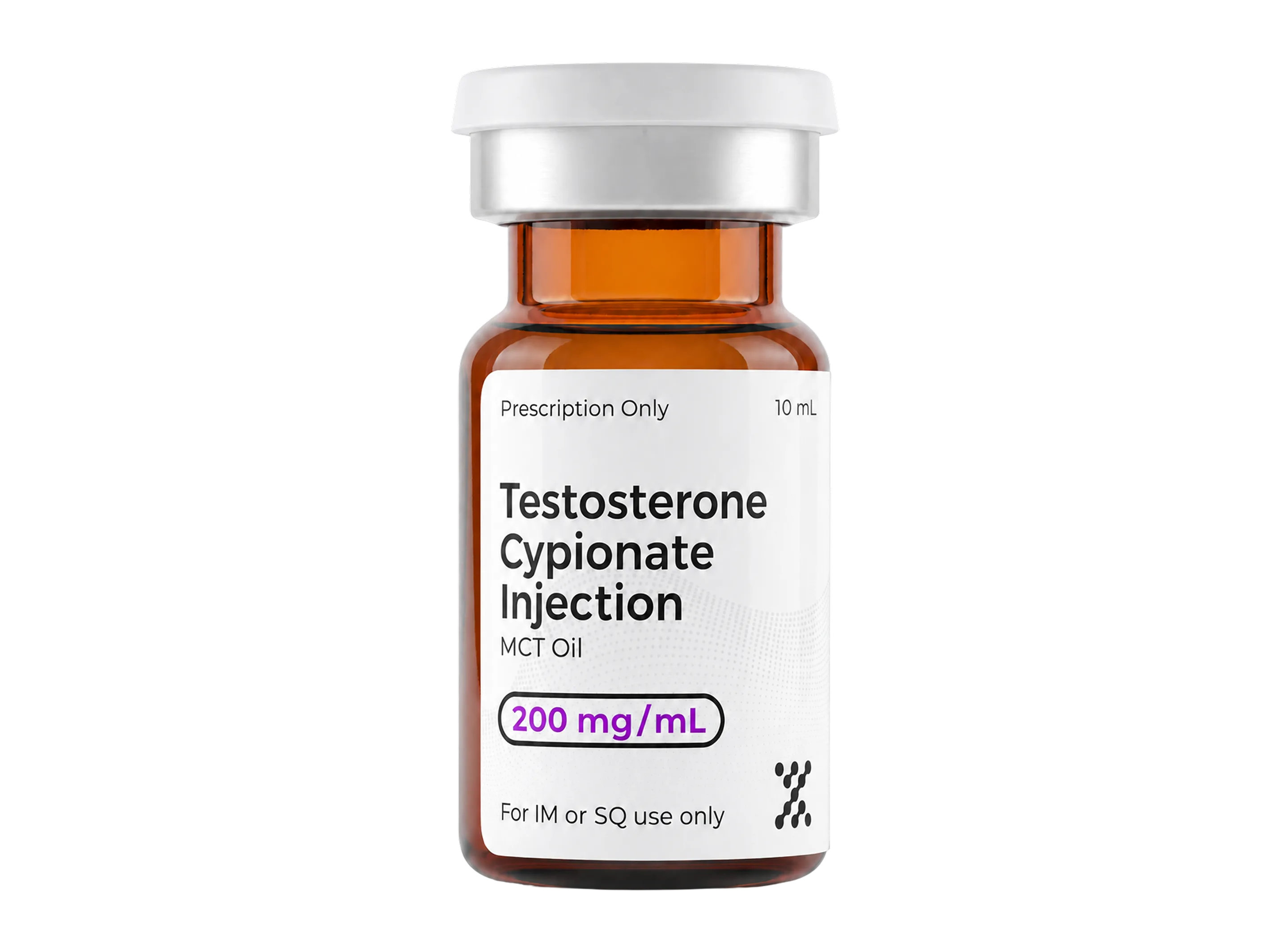
Because propionate requires injections every 2 to 3 days to maintain stable hormone levels, it is not the first choice for most long-term TRT patients. When it is prescribed at REGENX Health, it is typically in grapeseed oil, MCT oil, or sesame oil depending on the compounding pharmacy formulation. MCT (medium-chain triglyceride) oil is light, nearly odorless, and well tolerated, making it a clean carrier option for short-acting esters that require frequent injection.
Dosing Protocols
The dose, frequency, and delivery method are individualized based on your labs, ester, and clinical goals. Four protocols are used at REGENX Health:
Standard Weekly Dosing
A single intramuscular injection given once per week into the lateral thigh, deltoid, or gluteal tissue. The most practical schedule for men on testosterone cypionate who prefer a simple, predictable routine.
Divided Dosing
The weekly dose is split into two injections spaced across the week, for example Monday and Thursday. Divided dosing reduces peak-to-trough testosterone variation and lowers the estradiol surge associated with large single-dose injections. Frequently used for enanthate patients and for cypionate patients experiencing end-of-week changes in symptoms.
Micro-Dosing
The total weekly dose is divided into three or more smaller injections, typically administered subcutaneously. Micro-dosing produces the flattest serum testosterone curve of any injectable protocol and is associated with the lowest estradiol and hematocrit increases. Both cypionate and enanthate are appropriate for micro-dosing.
Subcutaneous (SubQ) Injection
SubQ delivers testosterone into the fatty tissue just below the skin using a smaller needle at a shallower angle, producing a steadier pharmacokinetic curve with reduced peak hormone levels. SubQ is appropriate for cypionate and enanthate on divided or micro-dosing schedules. Your physician specifies whether IM or SubQ fits your protocol and ester.
Testosterone Injections Side Effects and Risks
The 2023 TRAVERSE trial, the largest randomized controlled study of TRT to date, found no significant increase in prostate cancer incidence in hypogonadal men on testosterone therapy, and led the FDA to remove cardiovascular black-box warnings from testosterone labeling in 2025. The core safety considerations are consistent across all three injectable esters, though the magnitude of certain effects varies by ester, oil base, dose, and delivery method. All REGENX Health patients undergo physician-ordered lab surveillance every 3 months, above the standard of care.
Possible Side Effects
- Erythrocytosis (elevated hematocrit and hemoglobin): more pronounced with large single-dose IM injections. Divided or SubQ protocols typically produce lower increases. Hematocrit above 51% warrants dose adjustment or phlebotomy.
- Elevated estradiol: leading to water retention, breast tenderness, or reduced libido. Managed through protocol adjustment or anastrozole when needed.
- Endocrine and urogenital conditions: including gynecomastia, excessive frequency of penile erections, and oligospermia (low sperm count).
- Skin and appendages: hirsutism, male pattern baldness, seborrhea, and acne or oily skin.
- Cardiovascular disorders: including myocardial infarction, stroke, and venous thromboembolism.
- Fluid and electrolyte disturbances: retention of sodium, chloride, water, potassium, calcium, and inorganic phosphates.
- Gastrointestinal conditions: nausea, cholestatic jaundice, alterations in liver function tests, and rarely hepatocellular neoplasms or peliosis hepatis.
- Hematologic conditions: suppression of clotting factors II, V, VII, and X, and bleeding risk in patients on concomitant anticoagulant therapy.
- Nervous system conditions: increased or decreased libido, headache, anxiety, depression, and generalized paresthesia.
- Allergic or hypersensitivity reactions: including skin manifestations, anaphylactoid reactions, and rare cases of central serous chorioretinopathy (CSCR).
- Testicular atrophy: results from suppression of LH and FSH signaling. HCG or gonadorelin can be co-prescribed to preserve testicular size and spermatogenesis.
- Reduced sperm production: all three testosterone esters suppress spermatogenesis by inhibiting FSH & LH secretion. Most cases resolve within 4 to 12 months after stopping therapy. Several variables can affect sperm recovery when stopping TRT.
- Injection site discomfort or local irritation: inflammation and pain at the intramuscular injection site. Rotating injection sites and warming the vial before drawing reduces irritation.
Important Considerations
- All injectable testosterone esters suppress the HPG axis. Men who want to preserve fertility during TRT should discuss HCG or gonadorelin co-administration before starting any ester.
- Hematocrit must be monitored throughout therapy. Values above 51% require dose adjustment, protocol modification, or therapeutic phlebotomy.
- Testosterone is a Schedule III controlled substance. It requires a valid prescription and should never be sourced or used outside physician supervision.
- Androgens can increase sensitivity to oral anticoagulants. If you are on blood thinners, your physician must be informed before starting injectable testosterone.
- The metabolic effects of androgens in diabetic patients may improve glucose, requiring adjustment of insulin or other diabetic medications.
- Testosterone propionate requires injections every 2 to 3 days. Men who cannot commit to this frequency should not be placed on propionate as their primary TRT ester.
How Do You Take Testosterone Injections
Intramuscular (IM) Injection
IM injection is the traditional delivery method for all three testosterone esters. The injection is administered into a large muscle group, most commonly the lateral thigh, the deltoid, or the gluteal region. Your REGENX Health physician and clinical team provide detailed instruction on sterile technique, injection site rotation, and proper disposal of sharps. Testosterone cypionate and enanthate are typically administered once or twice weekly on IM. Testosterone propionate requires injection every 2 to 3 days. New patients receive a dedicated virtual session with the physician covering all medication use instructions, sterile injection technique, and supply storage.
Subcutaneous (SubQ) Injection
SubQ injection is administered into the fatty tissue of the abdomen, outer thigh, or buttocks using a smaller gauge needle at a shallower depth. It is easier to self-administer and generally more comfortable than IM, particularly with lighter oil formulations such as grapeseed or MCT. The slower absorption produces a flatter pharmacokinetic curve with lower peak estradiol and hematocrit values. Your physician specifies whether IM or SubQ is appropriate based on your ester and dosing protocol.
Timing and Consistency
Inject on the same day or days each week to maintain consistent hormone levels. Testosterone cypionate and enanthate have long enough half-lives that minor timing variation rarely affects clinical outcomes. Testosterone propionate requires stricter adherence given its shorter clearance window. Time of day does not significantly affect outcomes for any of the three esters.
Storage
Store all testosterone vials at room temperature between 59 and 86 degrees Fahrenheit, away from direct sunlight and out of reach of children. Inspect the vial before each use and discard if cloudy, discolored, or containing visible particulates. Sesame oil formulations (enanthate) are more viscous at cooler temperatures. Grapeseed, cottonseed, and MCT oil formulations flow more easily at room temperature. Warming any vial briefly in your hands before drawing the dose improves flow regardless of oil base.
Who Can Use Testosterone Injections
- Men diagnosed with primary or secondary hypogonadism confirmed by two fasting morning testosterone draws below the clinical threshold (typically under 300 ng/dL per AUA guidelines) in the presence of symptoms.
- Men experiencing symptoms of Low T across physical, cognitive, or sexual domains including fatigue, reduced muscle mass, increased body fat, depressive symptoms, poor concentration, low libido, erectile dysfunction, or loss of morning erections.
- Men with age-related testosterone decline who present with both symptomatic and lab-confirmed low testosterone. Testosterone declines approximately one percent per year after age 30.
- Men who have previously used testosterone topical gels or creams and prefer the more predictable absorption and stable hormone levels that injectable testosterone shots provide.
- Men already on injectable TRT who are switching formulations based on estradiol trends or hematocrit response, for example moving from single-dose IM cypionate in cottonseed oil to divided SubQ enanthate in grapeseed oil to improve tolerability.
- Men with a carrier oil sensitivity who need their compounding pharmacy to reformulate their ester in an alternative oil base such as MCT or grapeseed.
- Men on peptide therapy such as Sermorelin, CJC-1295/Ipamorelin, or Tesamorelin who want to add injectable testosterone for enhanced muscle, recovery, and body composition outcomes.
Who Should Not Take Testosterone Injections
- Men with known or suspected active prostate cancer or breast cancer.
- Men with serious cardiac, hepatic, or renal disease
- Men with an unstable or recent cardiac event
- Men with an elevated Hematocrit value
- Men with an elevated PSA that have not undergone an urologic evaluation
- Men with a known hypersensitivity to testosterone or to any excipient in the formulation, including the carrier oil.
- Men actively trying to conceive
- Men unable or unwilling to adhere to the required injection frequency for their prescribed therapy.
What Do You Need to Monitor on Testosterone Injections
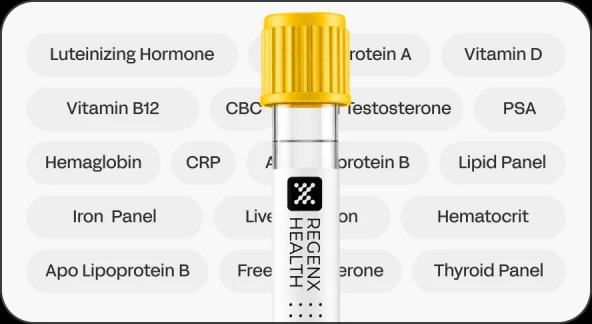
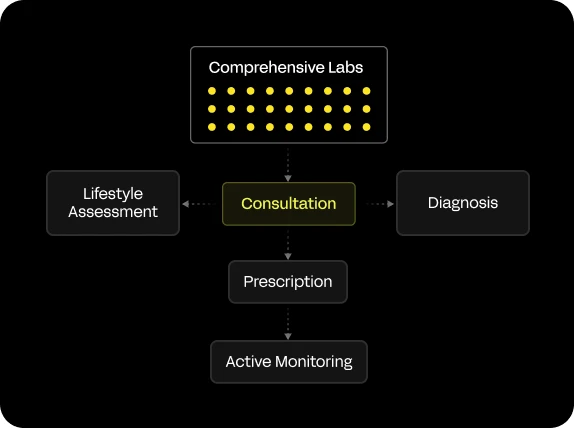
At REGENX Health, every patient on a testosterone injection prescription is monitored through a physician-ordered lab panel every 3 months. The following markers are tracked at visits with other labs being added at the discretion of the treating urologist.
- Total Testosterone and Free Testosterone (drawn fasting before 11 AM): confirms therapeutic levels and guides dose adjustments. When total testosterone is normal but a patient continues to have symptoms of low testosterone, free testosterone and SHBG is measured in clinical cases to assist in therapy decision making.
- Estradiol (E2): monitored to detect excessive aromatization. Men on single-dose IM cypionate (cottonseed or grapeseed oil) often show higher E2 peaks than men on divided microdosed enanthate (sesame oil) or SubQ protocols.
- Hematocrit (Hct) and Hemoglobin (Hgb): erythrocytosis is the most common dose-limiting adverse effect. Hematocrit above 51% warrants dose adjustment, protocol modification, or phlebotomy.
- PSA (Prostate-Specific Antigen): monitored for unexpected rises that may require further urologic evaluation.
- LH and FSH: assessed at baseline to determine hypogonadism type and monitored in patients co-managed with gonadorelin, HCG, or other fertility-preserving agents.
- Comprehensive Metabolic Panel (ALT, AST, BMP): confirms hepatic and renal safety during long-term therapy.
- IGF-1: monitored in patients adding injectable testosterone with growth hormone peptides such as Sermorelin or CJC-1295/Ipamorelin.
- Lipid Panel: Evaluates changes in cholesterol that may occur with testosterone use and provides additional insight into diet and overall cardiovascular health.
Clinical Research on Testosterone Injections
The following research supports the clinical rationale for injectable testosterone therapy. All studies are reviewed for relevance by the REGENX Health clinical team.
- Testosterone Therapy in Men With Hypogonadism: An Endocrine Society Clinical Practice Guideline (Bhasin et al., 2018) - The definitive evidence-based guideline establishing diagnostic criteria and treatment recommendations for injectable testosterone, applicable to all three ester formulations.
- Comparison of Outcomes for Hypogonadal Men Treated with Intramuscular Testosterone Cypionate versus Subcutaneous Testosterone Enanthate (Choi et al., 2022) - A 234-patient study showing subcutaneous enanthate achieves equivalent total testosterone levels to IM cypionate while producing significantly lower post-treatment estradiol and hematocrit, directly informing ester and route selection at REGENX Health.
- Prostate Safety Events During Testosterone Replacement Therapy (Bhasin et al., 2023) - TRAVERSE trial data confirming TRT did not significantly increase prostate cancer incidence, supporting the FDA's 2025 removal of cardiovascular black-box warnings from testosterone labeling.
- Hormone Kinetics After Intramuscular Testosterone Cypionate (Nankin, 1987) - A pharmacokinetic analysis of IM cypionate documenting the supraphysiological peak-to-trough pattern that established the rationale for divided and micro-dosing protocols.
- Testosterone Therapy With Subcutaneous Injections: A Safe, Practical, and Reasonable Option (Figueiredo et al., 2022) - A review confirming clinical equivalency and improved tolerability of subcutaneous testosterone administration for both enanthate and cypionate, validating SubQ delivery as a primary route option.
Frequently Asked Questions About Testosterone Cypionate 200 mg/mL (MCT Oil)
What is testosterone and what does it do?
Testosterone is the primary male androgen and anabolic hormone that is produced in the testicles. Healthy testosterone levels maintain bone density and fat distribution, build muscle mass, improve red blood cell production, facial and body hair, libido, sperm production, and normal male sex organ development. Androgens drive protein anabolism, nitrogen retention, and adolescent growth. When testosterone falls below the clinical threshold in an adult man, these functions deteriorate across physical, cognitive, and sexual domains.
What is hypogonadism and what causes it?
Hypogonadism is the medical term for low testosterone and occurs when the body no longer produces adequate amounts of testosterone. In many men, testosterone levels may begin to decline gradually around age 30. This age-related decline can be influenced by several factors, including poor sleep, inadequate nutrition, weight gain, a sedentary lifestyle, and the accumulation of other health conditions.
There are also distinct medical forms of hypogonadism. Primary hypogonadism is caused by testicular dysfunction; in these cases, FSH and LH levels are typically elevated, indicating that the pituitary gland is attempting to stimulate the testes. Secondary hypogonadism occurs when the pituitary gland does not send adequate signals to the testes, resulting in low FSH, LH, and testosterone levels. Common causes of secondary hypogonadism include elevated prolactin, pituitary tumors, iron overload, and certain medications.
At REGENX Health, your urologist evaluates the underlying cause before recommending treatment, because secondary hypogonadism may respond better to therapies such as hCG, gonadorelin, or enclomiphene rather than direct testosterone replacement.
What are the symptoms of low testosterone?
Physical symptoms include reduced energy and endurance, fatigue, loss of lean muscle mass, increased body fat, and reduced beard and body hair. Cognitive symptoms include depressive mood, reduced motivation, poor concentration, forgetfulness, and irritability. Sexual symptoms include reduced libido, erectile dysfunction, and loss of morning erections. Testosterone deficiency is diagnosed based on both clinical symptoms and low serum testosterone levels. At REGENX Health, your physician evaluates the full clinical picture, including your symptoms, comprehensive lab results, and other possible medical causes, before prescribing treatment. This thorough approach helps ensure that the right medication is provided for the right diagnosis.
What is the difference between testosterone cypionate, enanthate, and propionate?
All three are testosterone injections for men that deliver the same active hormone. The kind of ester determines how quickly it releases and how often you inject.
Testosterone cypionate has a half-life of approximately 8 days and is the most commonly prescribed injectable testosterone in the United States. It is the primary formulation at REGENX Health and is typically formulated in cottonseed or grapeseed oil. Once-weekly or biweekly IM injection suits most men.
Testosterone enanthate has a half-life of 5 to 7 days. Pharmacologically nearly identical to cypionate, it is better suited to divided or micro-dosing protocols for men who need lower estradiol and hematocrit peaks. It is typically formulated in sesame oil, which is more viscous than grapeseed or cottonseed.
Testosterone propionate has a half-life of 2 to 3 days, peaks within 24 to 48 hours, and clears quickly. It requires injections every 2 to 3 days to maintain stable levels, making it a specialized tool rather than a standard TRT ester. It is available in grapeseed oil, MCT oil, or sesame oil depending on the compounding pharmacy.
What is the difference between the carrier oils used in testosterone injections?
The carrier oil suspends the testosterone ester and affects how the injection feels and how the body tolerates it locally. Grapeseed oil is the lightest and most well-tolerated option, flows easily through the needle, and is commonly used in compounded cypionate and propionate formulations. Cottonseed oil is the traditional carrier in branded testosterone cypionate products. It is medium-viscosity and well tolerated by most patients. Sesame oil is thicker and is the standard carrier for testosterone enanthate. It requires a slightly slower injection pace and can cause more local site reaction. MCT oil is light, odorless, and well tolerated, increasingly used in propionate and micro-dosing formulations where injection comfort matters for frequent administration. If you have a sensitivity to any of these oils, tell your REGENX Health physician so the compounding pharmacy can reformulate your ester in an alternative base.
What are the benefits of testosterone injections?
Men on physician-supervised injectable TRT report improvements in energy and endurance, lean muscle mass, body fat reduction, mood stability, motivation, bone density, libido, erectile function, and sleep quality. Testosterone shots can also improve insulin sensitivity, lower LDL cholesterol and triglycerides in some patients, and reduce HbA1c. Many hypogonadal men who have not responded to PDE5 inhibitors such as sildenafil alone see improved erectile response when testosterone is restored. Because cypionate, enanthate, and propionate all deliver the same testosterone molecule, the benefit profile is consistent across formulations.
Does testosterone therapy affect fertility and sperm production?
Yes. All three injectable testosterone esters suppress the HPG axis by reducing LH and FSH secretion from the pituitary, which shuts down spermatogenesis. Injectable TRT will reduce sperm production during therapy regardless of which ester is prescribed. Most cases of testosterone-induced reduction in sperm count resolve within 4 to 12 months after stopping exogenous testosterone. A patient's age and duration of use of testosterone can influence sperm recovery time. Men who want to preserve fertility should discuss HCG or gonadorelin co-administration with their REGENX Health physician before starting any TRT program.
How do testosterone injections affect estrogen and hematocrit levels?
Testosterone aromatizes into estradiol (E2) in fat tissue, and injectable TRT increases estradiol in most men. Elevated E2 can cause water retention, breast tenderness, gynecomastia, and reduced libido. Erythrocytosis, the increase in red blood cell mass driven by testosterone's stimulation of EPO, is the most common dose-limiting adverse effect of injectable testosterone. Both effects are more pronounced with single-dose IM injections of cypionate than with divided or SubQ protocols using enanthate. The carrier oil itself does not affect E2 or hematocrit, but the injection route and dose frequency can. Both markers are monitored at every 3-month lab visit and treated accordingly.
Will testosterone therapy cause my testicles to shrink?
Testicular atrophy can occur with all three injectable esters because exogenous testosterone suppresses LH and FSH, removing the pituitary signal that keeps the testicles active. Some reduction in testicular volume can follow. HCG or gonadorelin co-administered alongside injectable testosterone maintains testicular LH signaling, preserves testicular size, and supports spermatogenesis during therapy. Men concerned about atrophy should raise their concern with their REGENX Health physician before starting any testosterone so a co-therapy plan is built in from the start.
How long does it take for testosterone injections to work?
Testosterone propionate reaches peak serum levels within 24 to 48 hours, so men on propionate may notice energy and libido changes sooner. For cypionate and enanthate, most men report early improvements in energy and libido within 3 to 6 weeks as levels stabilize in the therapeutic range. Physical changes, including visible increases in lean mass and reductions in fat, typically take 3 to 6 months. Bone density improvements appear over 12 to 24 months. Labs are checked at 6 to 12 weeks after initiation to confirm the dose is appropriate and to make adjustments.
Can testosterone injections be combined with peptides or other therapies?
Yes, and this is common clinical practice at REGENX Health. Injectable testosterone provides the androgenic foundation for muscle growth and hormonal balance, while growth hormone peptides such as sermorelin, CJC-1295/Ipamorelin, and Tesamorelin work through separate GH secretagogue pathways to enhance recovery, support fat loss, and improve sleep. The two therapies are complementary and frequently prescribed together. For men who want to preserve fertility, HCG or gonadorelin can be co-administered alongside any of the three injectable esters. Men stacking peptides with injectable testosterone should have IGF-1 levels monitored alongside their standard TRT labs.
Do I need a prescription for testosterone injections?
Yes. Testosterone cypionate, enanthate, and propionate are all Schedule III controlled substances in the United States and require a valid prescription from a licensed physician. At REGENX Health, your medication is prescribed by a board-certified urologist only after a thorough clinical review of your symptoms, medical history and comprehensive labs confirm a diagnosis that necessitates TRT and at the discretion of your urologist. Monitoring therapy response with follow up visits and labs are also included at REGENX Health.
Where can I get testosterone injections near me?
REGENX Health is a fully online TRT clinic. You do not need to live near a physical location to receive a testosterone injection prescription. The entire process, including consultation, lab orders, physician visits, and medication delivery, is handled through a HIPAA-compliant telemedicine platform accessible from any smartphone or computer. Your medication and supplies ship directly to your home. REGENX Health provides care to patients across the United States where licensed, with follow-up visits conducted online with the same board-certified urologist at every appointment.
Is testosterone propionate better than cypionate or enanthate for TRT?
Testosterone propionate is not better that cypionate or enanthate, rather they are used in different circumstances. Testosterone propionate requires injections every 2 to 3 days, which is unnecessary for most men when cypionate or enanthate on a weekly or divided schedule achieves the same outcomes. Propionate is most useful for fast titration early in treatment, short-term protocol adjustments, or combination protocols during initial stabilization.
For long-term TRT, the practical choice is usually between cypionate and enanthate. Testosterone cypionate in grapeseed or cottonseed oil is the standard starting point for most patients at REGENX Health given its long track record and comfortable injection profile. Testosterone enanthate in sesame oil on a divided or SubQ schedule suits men who need tighter estradiol and hematocrit management. Other indications to change the oil base of the testosterone formulation can be from fluid retention, reaction, or viscosity for example. Your REGENX Health urologist walks through the ester and oil base options with you and selects the formulation that fits your labs, lifestyle, and protocol goals.