





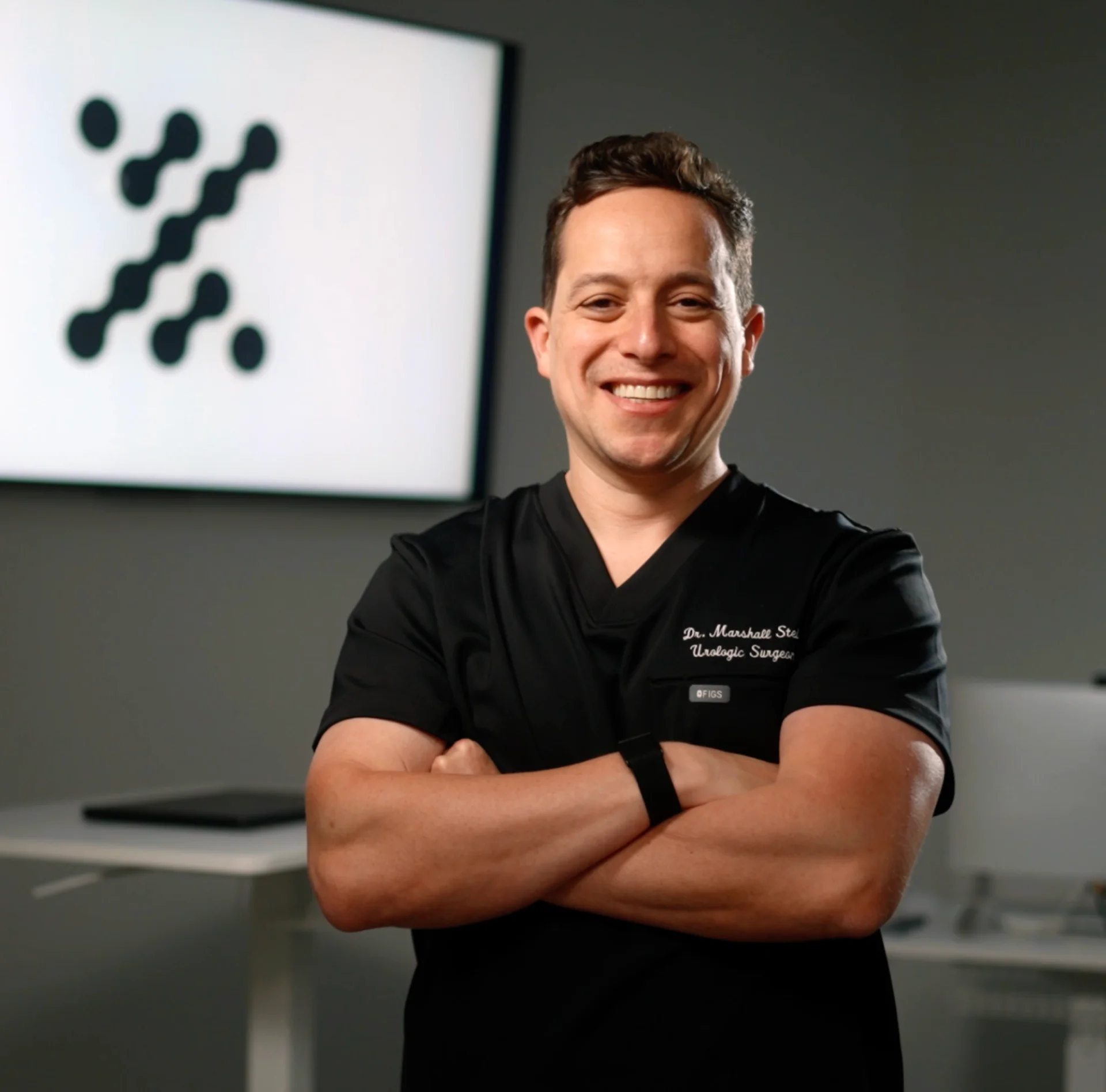






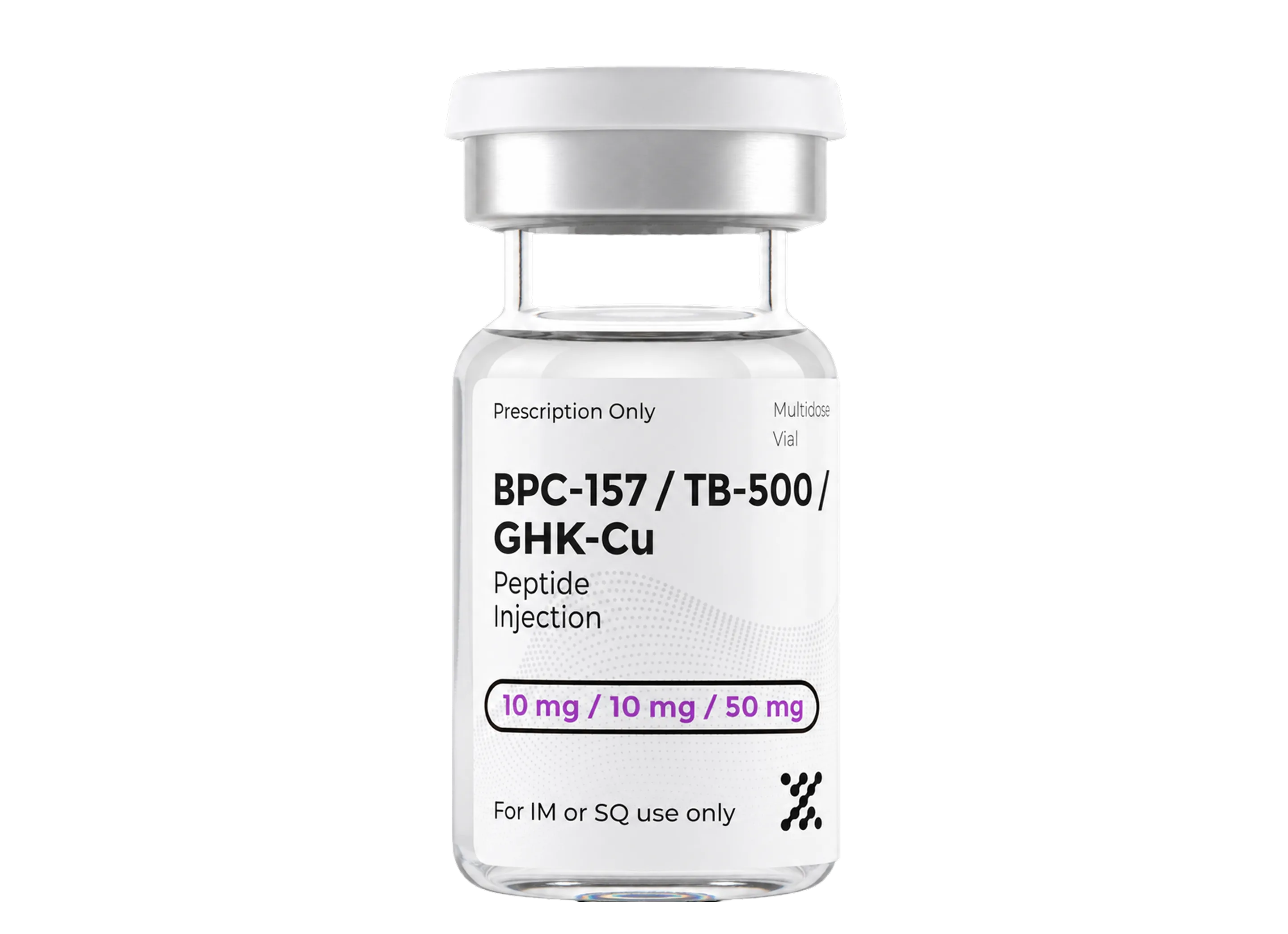
BPC-157 and TB-500 are two peptides prescribed together because their mechanisms of action work in parallel: BPC-157 targets local tissue repair and gut protection, while TB-500 reduces systemic inflammation. Combined into a single injectable formulation, they address tissue recovery from multiple biological angles simultaneously. Both peptides are compounded and require a prescription from a licensed physician. At REGENX Health, all BPC-157/TB-500 prescriptions are managed by a board-certified urologist for qualified candidates seeking therapy.
Benefits of BPC-157 / TB-500
Preclinical research suggests that BPC-157 promotes healing by stimulating angiogenesis, increasing collagen synthesis, and modulating nitric oxide (see the VEGFR2 activation study). TB-500's parent compound, Thymosin Beta-4, is released at injury sites and has shown significant wound-healing activity across multiple tissue types in both animal and early human studies. Both peptides may improve the following:
- upregulate the expression of growth hormone receptors in healing tissues.
- Reduced joint pain and local inflammation
- Enhanced collagen production and tissue remodeling
- Improved blood flow and angiogenesis at injury sites
- Gastrointestinal protection and gut lining repair (BPC-157)
- Systemic cell migration support for broader tissue recovery (TB-500)
- Neuroprotective and cytoprotective activity
- Faster recovery from training stress and overuse injuries
BPC-157 / TB-500 Dosage and Formulations
REGENX Health offers compounded BPC-157 / TB-500 as a sterile injectable blend. Your board-certified urologist determines the appropriate formulation and dose based on your candidacy for therapy, symptoms, and goals.
BPC-157 / TB-500 Combination Injectable (15mg / 15mg)
The standard combination vial contains 15mg of BPC-157 and 15mg of TB-500, reconstituted with 2mL bacteriostatic water to yield 5mg/mL of each peptide. The standard dose is administered subcutaneously on a 5-day-on/2-days-off cycle.
This combination therapy is widely known in online communities and performance forums as the “Wolverine Stack.” The “Wolverine Stack” gets its name from the legendary Marvel character’s ability to rapidly heal and recover from injury.
BPC-157 Solo Injectable (2.5mg/ml 6ml)
A standalone BPC-157 vial for patients who need isolated gastrointestinal or targeted soft tissue support without the systemic TB-500 component. Reconstituted per your physician's guidelines.
BPC-157 / TB-500 / GHK-Cu / KPV Combination Blend
An advanced compounded blend (10mg / 10mg / 50mg / 10mg) that layers collagen support from GHK-Cu and anti-inflammatory activity from KPV on top of the BPC-157 / TB-500 recovery foundation. Indicated for patients with concurrent skin, collagen, or inflammatory concerns alongside musculoskeletal recovery goals.
BPC-157 500mcg Tablet
Oral BPC-157 is a convenient tablet formulation of the well-known healing peptide. Unlike the injectable form, oral BPC-157 is primarily absorbed in the gastrointestinal tract, making it particularly effective for supporting gut lining repair, reducing intestinal inflammation, and promoting overall digestive health.
While oral BPC-157 may not provide the same systemic recovery benefits as the injectable formulation, it remains a valuable treatment option for patients focused on gastrointestinal healing or who prefer a non-injectable delivery method.
Risks and Side Effects of BPC-157 / TB-500
Preclinical safety studies with BPC-157 have reported no adverse effects across a range of organ systems and dose levels (see Emerging Use of BPC-157 in Orthopaedic Sports Medicine). Human clinical data remain limited, so all use requires physician supervision and informed consent.
Possible Side Effects
- Injection site reactions (redness, mild swelling, bruising)
- Nausea, particularly at higher doses
- Edema or temporary water retention
- Fatigue or mild lethargy, typically transient
- Rash or skin irritation at the injection site
Important Considerations
- BPC-157 and TB-500 are not FDA-approved for human use and are prescribed as investigational compounded peptides. Long-term safety data in humans are not yet established.
- While the overall body of evidence for BPC 157 and TB 500 peptides is still limited, it remains promising. During every consultation, the potential indications, risks, benefits, and anecdotal clinical experiences are discussed in detail with the patient.
- Both peptides are banned by the World Anti-Doping Agency (WADA). Competitive athletes subject to drug testing should not use either compound.
- Regular check-ins with your prescribing physician are required to assess response and safety throughout the course of treatment.
How Do You Take BPC-157 / TB-500
Subcutaneous Injection
Both peptides in the combination vial are administered as a single subcutaneous injection. Draw the prescribed dose using a standard insulin syringe, then inject it into a clean subcutaneous site such as the abdomen, outer thigh, or glute area.
Frequency
The standard protocol is once daily, 5 days on and 2 days off, in 4- to 12-week cycles, depending on treatment goals. Your urologist will advise on treatment duration and use throughout management and follow-up visits.
Timing
Most patients inject in the morning on an empty stomach or in the evening before bed. Consistency in timing is more important than the specific time of day. Avoid eating within 30-60 minutes before injection if GI sensitivity is a concern.
Reconstitution
Vials arrive lyophilized (freeze-dried). Add 2mL of bacteriostatic water slowly along the vial wall. Do not shake. Swirl gently until fully dissolved. Store reconstituted vials refrigerated and use within 28-30 days.
Injection Sites
Rotate injection sites to avoid lipodystrophy. Common sites include the lower abdomen (2 inches from the navel), outer thigh, and gluteal fat. Clean each site with an alcohol swab and allow to dry before injecting.
Who Can Use BPC-157 / TB-500
- Men recovering from tendon, ligament, or muscle injuries who want to accelerate the healing process
- Men with chronic joint pain or overuse injuries from training or physical work
- Men experiencing gastrointestinal issues, such as leaky gut or irritable bowel, who may benefit from BPC-157's gastroprotective properties
- Men on testosterone replacement therapy (TRT) who want to add a recovery-focused peptide stack to their protocol
- Men post-surgery seeking adjunctive support for soft tissue repair under physician guidance
- Active men who cycle through high training volumes and want to reduce recovery time between sessions
Who Should Not Take BPC-157 / TB-500
- Men with active cancer or a personal history of hormone-sensitive malignancy, given the angiogenic properties of both peptides
- Competitive athletes subject to WADA or similar anti-doping regulations, as both peptides are prohibited substances
- Individuals with known hypersensitivity to any component of the compounded formulation
- Anyone not under direct physician supervision, as these peptides require a prescription and medical monitoring
What Do You Need to Monitor on BPC-157 / TB-500
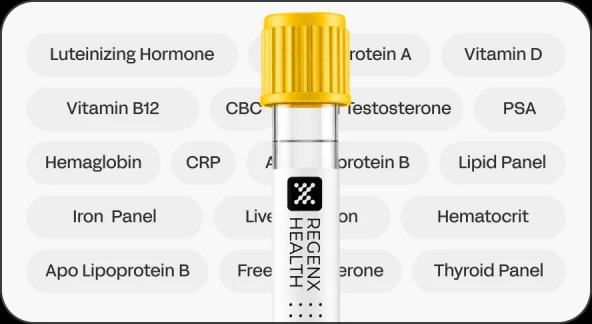
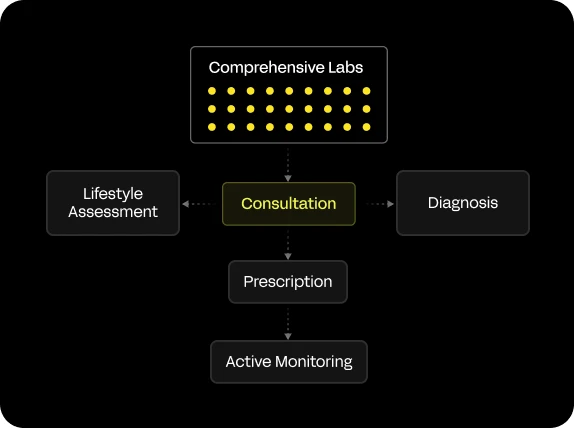
REGENX Health uses a lab-guided approach throughout every peptide protocol. Your board-certified urologist reviews your lab values before starting therapy and at scheduled intervals to track response and safety.
- CBC (Complete Blood Count): Assess baseline blood health and monitor for any hematologic changes
- CMP (Comprehensive Metabolic Panel): Liver enzymes (ALT, AST) and kidney function (creatinine, BUN) to confirm clearance and hepatic tolerance
- IGF-1: Relevant if the patient is adding BPC-157 / TB-500 with a growth hormone secretagogue such as CJC-1295/Ipamorelin or Sermorelin
- Total and Free Testosterone: Baseline and periodic monitoring for all men, especially those on concurrent TRT
- PSA (Prostate-Specific Antigen): Included in the standard REGENX Health panel for all male patients
Clinical Research on BPC-157 / TB-500
The following research supports the clinical rationale for BPC-157 and TB-500. All studies are reviewed for relevance by the REGENX Health clinical team.
- Emerging Use of BPC-157 in Orthopaedic Sports Medicine: A Systematic Review (Vasireddi et al., 2025) - A systematic review of 36 studies found BPC-157 enhances growth hormone receptor expression and pathways involved in angiogenesis while reducing inflammatory cytokines, with favorable preclinical safety across organ systems.
- Therapeutic Potential of Pro-Angiogenic BPC-157 Is Associated with VEGFR2 Activation (Chang et al., 2016) - Demonstrated that BPC-157 promotes new blood vessel formation through VEGFR2 upregulation and Akt-eNOS signaling, accelerating blood flow recovery in ischemic tissue models.
- Regeneration or Risk? A Narrative Review of BPC-157 for Musculoskeletal Healing (McGuire et al., 2025) - Found BPC-157 activates ERK1/2 and VEGFR2 pathways to promote fibroblast activity and neuromuscular stabilization, particularly in poorly vascularized tissues like tendons and myotendinous junctions.
- The Regenerative Peptide Thymosin Beta-4 Accelerates the Rate of Dermal Healing (Goldstein & Kleinman, 2012) - Thymosin beta-4 (the parent compound of TB-500) accelerated full-thickness wound closure in animal models and reduced healing time by nearly a month in two Phase 2 clinical trials involving stasis and pressure ulcers.
- Thymosin Beta-4: A Multi-Functional Regenerative Peptide. Basic Properties and Clinical Applications (Goldstein et al., 2012) - Reviewed the mechanisms by which thymosin beta-4 promotes cell migration, stem cell mobilization, angiogenesis, and reduced myofibroblast formation, forming the scientific foundation for ongoing clinical trials in dermal, corneal, and cardiac repair.
Frequently Asked Questions About BPC-157 / TB-500 / GHK-Cu Vial
What are BPC-157 and TB-500?
BPC-157 (Body Protection Compound-157) is a synthetic pentadecapeptide originally isolated from human gastric juice. TB-500 is a synthetic fragment of Thymosin Beta-4, a naturally occurring peptide found throughout the body and released at sites of injury. Both are studied for their tissue repair, anti-inflammatory, and angiogenic properties. At REGENX Health, they're prescribed together in a compounded injectable blend designed to support musculoskeletal recovery from multiple biological angles.
What are the benefits of BPC-157 and TB-500?
The combination targets tissue healing at both the local and systemic level. BPC-157 promotes collagen synthesis, angiogenesis, and gut integrity while TB-500 drives cell migration and remodeling across a broader range of tissues. Together, they're used to accelerate recovery from tendon, ligament, and muscle injuries, reduce chronic joint pain, decrease systemic inflammation, and support faster bounce-back from training stress or surgery.
How is BPC-157 / TB-500 administered?
Both peptides are delivered as a single subcutaneous injection from a combination vial. You draw the prescribed dose using a standard insulin syringe and inject it into a subcutaneous site such as the abdomen, outer thigh, or glute. The standard protocol is once daily on a 5-day-on/2-day-off schedule. Your REGENX Health physician will advise the dose and medication duration at your consultation.
What are the side effects of BPC-157 / TB-500?
Preclinical research has reported a favorable safety profile for both peptides, with no serious adverse effects observed across multiple organ systems in animal studies. In clinical use, the most commonly reported effects are mild injection site reactions, including redness and swelling, occasional nausea, and temporary edema. Human clinical safety data are limited, which is why physician supervision and regular lab monitoring are required throughout any protocol.
Do I need a prescription for BPC-157 / TB-500?
Yes. BPC-157 and TB-500 are not available over the counter in the United States. They're prescribed as compounded investigational peptides through a licensed physician. At REGENX Health, a board-certified urologist evaluates your labs and medical history before prescribing and manages your protocol from start to finish.
Can BPC-157 / TB-500 be combined with TRT or other peptides?
Yes, this is a common combination in men's health. Many REGENX Health patients add BPC-157 / TB-500 to an existing testosterone replacement therapy protocol or add it with growth hormone secretagogues like CJC-1295/Ipamorelin. Your physician adjusts lab monitoring accordingly to track all active compounds and ensure there's no overlap or interaction.
How long does it take to see results from BPC-157 / TB-500?
Most patients report noticeable improvement in joint pain and recovery speed within 2-4 weeks. Tendon and ligament healing typically shows more meaningful progress by weeks 6-8. Medication use and duration usually run 4-12 weeks, depending on the injury or goal, and some patients repeat cycles after a period of time. Results vary based on the severity of the condition, individual response, and whether peptides are added with other therapies.
What does BPC-157 / TB-500 cost?
Pricing depends on your specific formulation, dose, and cycle length. The combination injectable (10mg / 10mg) is included in REGENX Health's peptide catalog and is discussed during your consultation. Because these are compounded prescriptions, cost is separate from insurance coverage in most cases. Contact REGENX Health directly for current pricing and to confirm whether your HSA/FSA can be applied.
Where can I get a BPC-157 / TB-500 prescription near me?
REGENX Health operates as a fully virtual practice, so you don't need to find a clinic near you. Your initial consultation with a board-certified urologist is conducted via Zoom. Once your labs are reviewed and a prescription is issued, your medication is shipped directly to your door via 2-day delivery. Treatment is prescribed by a board-certified urologist only for eligible patients residing in states where such services are permitted under applicable state medical licensing laws and regulations.
Is BPC-157 used for bodybuilding or athletic recovery?
BPC-157 and TB-500 are popular in athletic and bodybuilding communities for their potential to accelerate recovery from overuse injuries, reduce joint inflammation, and shorten time away from training. However, both peptides are prohibited by the World Anti-Doping Agency (WADA), so competitive athletes subject to drug testing should not use them. For recreational training and non-competitive fitness goals, they're used as recovery tools under physician supervision, not as performance enhancers in the traditional sense.
What is the Wolverine Stack?
The “Wolverine Stack” combines two powerful healing peptides, BPC-157 and TB-500, and is named after the Marvel character Wolverine, known for his superhuman regenerative abilities.
Advanced versions of the Wolverine Stack often incorporate GHK-Cu for enhanced collagen production and tissue remodeling, and KPV for its potent anti-inflammatory properties. Together, these additions aim to provide athletes with superior tissue repair and faster recovery from training or injury.
While the “Wolverine Stack” is popular in performance and regenerative circles, it is important to note that there is currently no large-scale clinical research or peer-reviewed medical literature that has specifically studied this exact combination.