












Glutathione is the body's most abundant endogenous antioxidant, a tripeptide synthesized from glycine, cysteine, and glutamic acid that protects every cell from oxidative damage, supports immune function, and drives hepatic detoxification. Levels decline with age, chronic stress, poor nutrition, and illness, leaving cells increasingly vulnerable to reactive oxygen species and oxidative-stress-related conditions. Glutathione injection bypasses the digestive tract entirely, delivering the compound directly into the bloodstream for measurable increases in plasma and intracellular concentrations that oral supplementation rarely achieves. At REGENX Health, Glutathione injection is prescribed by a board-certified urologist as part of a lab-guided protocol tailored to each patient's health and performance goals.
Benefits of Glutathione Injection
Glutathione injection supports a broad range of physiological systems by restoring the antioxidant reserves that drive cellular protection, immune competence, and metabolic detoxification. A randomized controlled trial demonstrated that Glutathione supplementation significantly increased GSH levels in blood, erythrocytes, plasma, and lymphocytes, with concurrent reductions in the oxidized-to-reduced glutathione ratio, a reliable marker of systemic oxidative stress.
- Reduced systemic oxidative stress and free radical load
- Enhanced liver detoxification and hepatic enzyme support
- Improved immune cell function and natural killer cell activity
- Increased cellular energy production and mitochondrial efficiency
- Skin brightness and antioxidant protection from UV-induced damage
- Support for vascular health and peripheral circulation
- Reduced post-exercise inflammation and faster recovery
- Protection of DNA and proteins from oxidative damage
Glutathione Injection Dosage and Formulations
REGENX Health offers Glutathione injection in a clinical-grade sterile formulation suitable for subcutaneous or intramuscular delivery. Your board-certified urologist selects dosage and injection frequency based on your lab results, clinical presentation, and treatment goals.
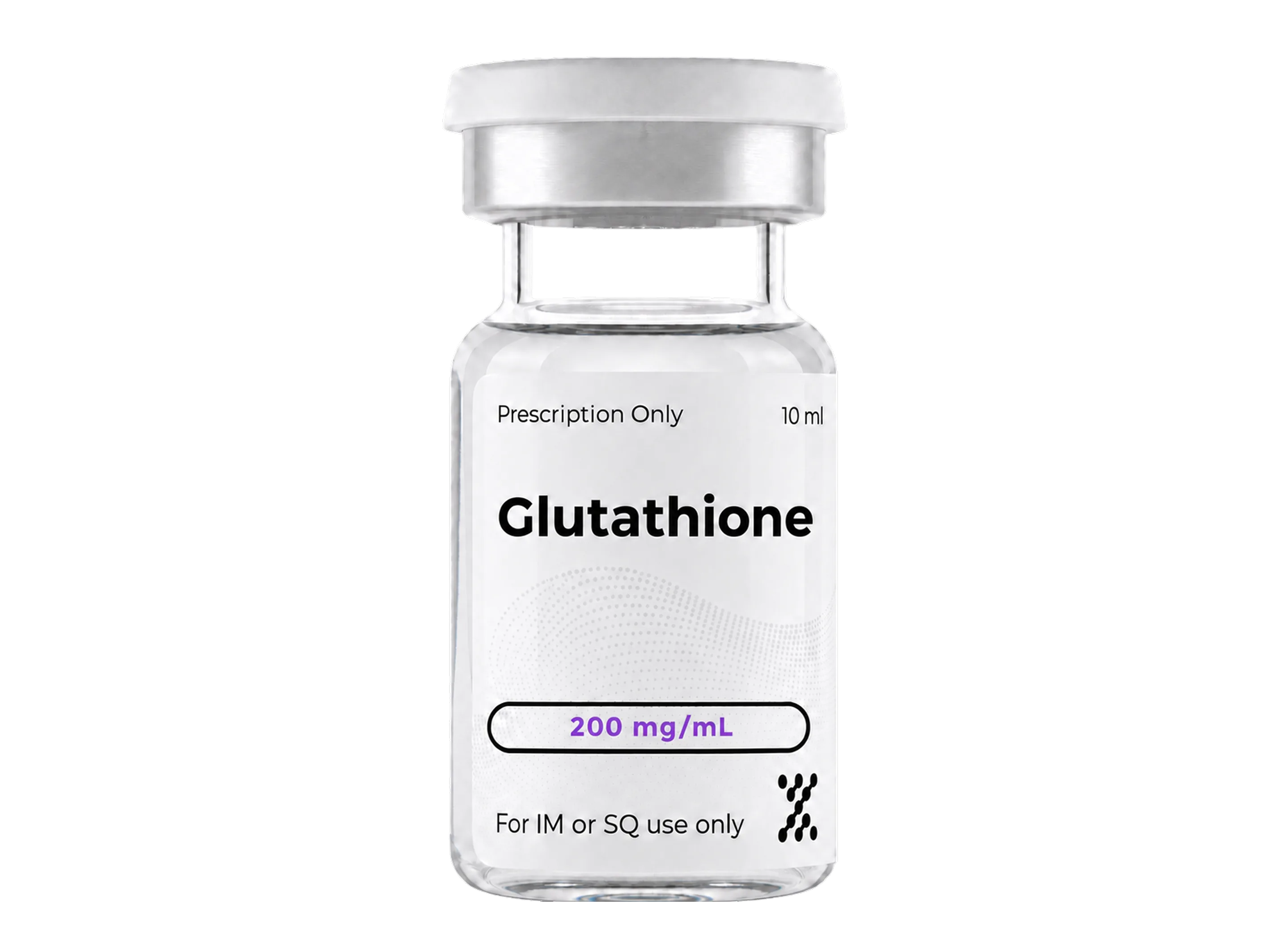
Glutathione 200 mg/mL Sterile Solution (10 mL vial)
A high-concentration injectable solution for subcutaneous or intramuscular administration. Typical clinical dosing ranges from 200 to 600 mg per injection, delivered 1 to 3 times per week depending on the protocol. This formulation is designed for patients seeking measurable increases in plasma Glutathione levels and systemic antioxidant support beyond what oral routes can reliably deliver.
Risks and Side Effects of Glutathione Injection
Glutathione injection is generally well-tolerated when administered by a qualified clinician at appropriate doses and with sterile technique. Published safety reviews indicate that serious adverse events are rare with properly administered protocols, though IV administration carries higher risk than subcutaneous or intramuscular routes and requires additional clinical oversight.
Possible Side Effects
- Injection site discomfort, redness, or bruising
- Mild nausea or headache, particularly at higher doses
- Transient skin lightening with repeated high-dose use
- Rare hypersensitivity or allergic reaction
- Potential zinc depletion with long-term high-dose protocols
Important Considerations
- Long-term safety data on high-dose injectable glutathione in healthy adults is limited; treatment should be periodically reassessed based on labs
- Monitoring of liver enzymes (ALT, AST) is recommended, particularly at higher doses or in patients with pre-existing hepatic conditions
- Glutathione should not be used as a substitute for evidence-based treatment of acute or chronic disease without physician supervision
How Do You Take Glutathione Injection
Subcutaneous Injection
Glutathione 200 mg/mL is most commonly administered as a subcutaneous injection into the abdomen, outer thigh, or back of the upper arm. A small insulin-type syringe is used to inject 1 to 3 mL (200 to 600 mg) depending on the prescribed dose. Most patients administer 2 to 3 times per week on non-consecutive days. Injections can be done at any time of day and do not require fasting. Rotate injection sites with each dose to prevent tissue irritation.
Intramuscular Injection
Intramuscular Glutathione is delivered into the deltoid or ventrogluteal muscle for slightly faster absorption compared to subcutaneous. Volume per injection is typically limited to 2 mL to minimize discomfort. Your urologist will specify which route is appropriate based on your protocol and tolerance.
Practical Tips
- Allow the vial to reach room temperature before drawing up the solution
- Use a fresh needle for each injection and practice strict sterile technique
- Store the vial refrigerated and check the expiration date before each use
- Glutathione can be drawn up and administered alongside other prescribed injectables if instructed by your physician
Who Can Use Glutathione Injection
- Men with elevated oxidative stress markers on labs seeking systemic antioxidant support
- Patients with suboptimal liver function or those supporting hepatic recovery under physician supervision
- Men on TRT or peptide therapy looking to stack Glutathione injection for enhanced recovery, skin health, and anti-aging benefits
- Patients with high physical training loads who want to reduce post-exercise inflammation and muscle damage
- Men experiencing fatigue, immune challenges, or metabolic stress that correlates with reduced antioxidant capacity
- Patients seeking a prescription-grade injectable Glutathione protocol rather than OTC oral supplements with inconsistent bioavailability
Who Should Not Take Glutathione Injection
- Patients with a known hypersensitivity or allergic reaction to Glutathione or any component of the formulation
- Individuals with active or untreated hepatic disease who have not been cleared by a physician for injectable antioxidant therapy
- Patients using glutathione solely for cosmetic skin-lightening purposes without a clinical indication, given insufficient evidence for IV use in this context
- Anyone not under the supervision of a licensed physician with access to their labs and medical history
What Do You Need to Monitor on Glutathione Injection
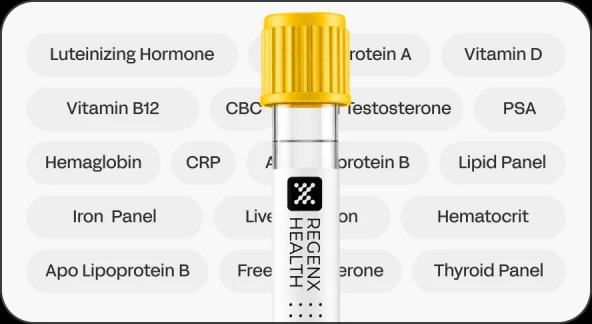
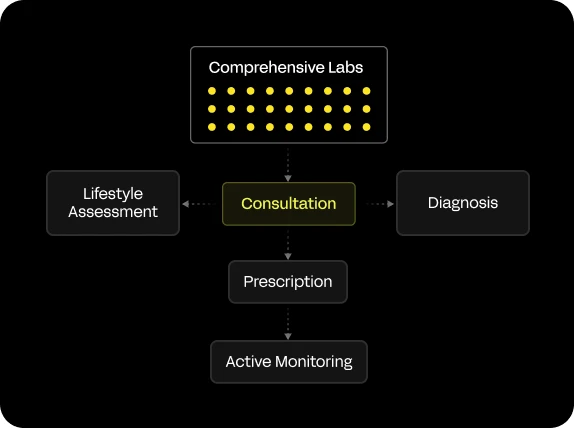
REGENX Health uses a lab-guided approach for all injectable therapies. Your board-certified urologist reviews the following markers to ensure your glutathione injection protocol is safe and effective over time.
- ALT and AST (liver transaminases) to assess hepatic tolerance, especially at higher doses or with concurrent medications
- Total bilirubin and GGT to evaluate broader liver function
- CBC (complete blood count) to monitor for any hematologic changes with ongoing use
- hsCRP (high-sensitivity C-reactive protein) as a marker of systemic inflammation and treatment response
- Zinc levels with long-term high-dose protocols, as glutathione can reduce zinc absorption
- If stacked with peptides or TRT: IGF-1, testosterone, and free testosterone to monitor the full hormonal and metabolic picture
Clinical Research on Glutathione Injection
The following research supports the clinical rationale for glutathione injection. All studies are reviewed for relevance by the REGENX Health clinical team.
- Randomized controlled trial of oral glutathione supplementation on body stores of glutathione (Richie et al., 2015): A 6-month RCT in 54 adults demonstrated dose-dependent increases of 30 to 35% in erythrocyte, plasma, and lymphocyte glutathione levels, with a greater than twofold increase in natural killer cell cytotoxicity at high doses.
- Oral supplementation with liposomal glutathione elevates body stores of glutathione and markers of immune function (Sinha et al., 2018): A pilot study found that liposomal GSH at 500 to 1,000 mg daily increased whole blood GSH by up to 40% within one week, with parallel reductions in oxidative stress biomarkers and improvements in immune cell function.
- Glutathione: Pharmacological aspects and implications for clinical use in non-alcoholic fatty liver disease (Perricone et al., 2023): This review outlines GSH's central role in hepatic redox homeostasis and summarizes clinical evidence supporting its use in liver disease, including improvements in ALT, AST, and GGT in patients with NAFLD.
- Efficacy of glutathione for the treatment of nonalcoholic fatty liver disease: an open-label, single-arm, multicenter, pilot study (Honda et al., 2017): In 34 NAFLD patients, 300 mg daily glutathione for 4 months significantly improved ALT levels and reduced hepatic fat accumulation as measured by controlled attenuation parameter (CAP).
- Reduced glutathione ameliorates liver function, oxidative stress and inflammation after interventional therapy for hepatocellular carcinoma (Zhao et al., 2020): In 96 patients undergoing hepatic arterial intervention, GSH treatment significantly reduced ALT, AST, CRP, IL-6, and TNF-alpha, while improving immune cell counts and quality of life scores.
Frequently Asked Questions About Glutathione 200 mg/mL
What is Glutathione injection?
Glutathione injection delivers the body's most abundant endogenous antioxidant directly into the bloodstream or tissues via subcutaneous or intramuscular administration. Unlike oral Glutathione, which is partially broken down in the gut before reaching circulation, injectable Glutathione achieves significantly higher plasma concentrations and more consistent intracellular uptake. At REGENX Health, glutathione injection is a prescription product dispensed as a 200 mg/mL sterile solution and prescribed by a board-certified urologist based on your labs and clinical profile.
What are the benefits of Glutathione injection?
The primary benefits of glutathione injection include reduced systemic oxidative stress, improved liver detoxification, stronger immune cell activity, and better cellular energy production. Patients on glutathione injection protocols also commonly report improvements in skin clarity, faster recovery from training, and reduced post-exercise inflammation. Because injectable glutathione bypasses first-pass metabolism, it offers more reliable and measurable increases in blood and tissue glutathione levels compared to oral supplementation.
How is Glutathione injection administered?
REGENX Health prescribes glutathione as a subcutaneous or intramuscular injection. Subcutaneous administration uses a small-gauge needle into the abdomen, thigh, or upper arm, similar to how many patients self-administer testosterone. Intramuscular delivery goes into the deltoid or gluteal muscle for slightly faster absorption. Your urologist will specify the route, dose, and injection frequency, typically 2 to 3 times per week, based on your clinical goals.
What are the side effects of Glutathione injection?
Injectable glutathione is generally well-tolerated. The most common side effects are localized: injection site discomfort, bruising, or temporary redness. Some patients report mild nausea or headache at higher doses, particularly early in treatment. Skin lightening can occur with high-dose repeated use, which some patients consider a benefit and others a consideration. Serious adverse events are rare when the injection is prescribed and dosed appropriately by a physician. Liver enzyme monitoring is recommended for ongoing protocols.
Can Glutathione injection be combined with TRT or peptides?
Yes, and this is one of the most common uses at REGENX Health. Glutathione injection stacks well with testosterone replacement therapy (TRT) as an antioxidant complement, helping manage oxidative stress associated with hormonal changes and physical training. It also pairs well with growth hormone peptides like sermorelin and CJC-1295/Ipamorelin, where reduced oxidative stress can support recovery, body composition, and sleep quality. Your urologist designs the stacking protocol based on your labs to ensure no interactions.
How long does Glutathione injection take to work?
Most patients notice improvements in energy, recovery, and general wellbeing within 2 to 4 weeks of consistent use. Clinical research shows measurable increases in whole blood and plasma glutathione levels within the first week of supplementation. Skin-related improvements, if that's a treatment goal, tend to take longer and are more variable. For metabolic and liver-function benefits, labs are typically repeated at 8 to 12 weeks to assess treatment response.
Do I need a prescription for Glutathione injection?
Yes. The sterile injectable formulation carried at REGENX Health requires a prescription. This is distinct from over-the-counter oral glutathione supplements, which are available without a prescription but have inconsistent bioavailability. A prescription injectable Glutathione protocol requires physician oversight, lab review, and ongoing monitoring to ensure safety and effectiveness. Your REGENX Health board-certified urologist handles this from your initial consultation through ongoing follow-up.
Where can I get a Glutathione injection near me?
REGENX Health offers Glutathione injection through a fully online platform, so you don't need to find a local clinic. Your consultation, lab review, and prescription are all managed by a board-certified urologist via telehealth. Once prescribed, your Glutathione injection is shipped directly to your door from a compounding pharmacy. There are no waiting rooms and no in-person visits required.
What does Glutathione injection cost?
The cost of glutathione injection at REGENX Health depends on your prescribed dose and protocol frequency. Pricing is reviewed during your consultation and includes physician oversight, lab interpretation, and prescription management. Because REGENX Health uses compounded pharmaceutical-grade formulations rather than branded retail products, the cost is typically more accessible than hospital-based IV glutathione drips while maintaining clinical-grade quality standards.
Is Glutathione injection used for detox?
Yes, Glutathione detox protocols are one of the established clinical uses for injectable glutathione. Glutathione is the primary phase II detoxification antioxidant in the liver, neutralizing reactive metabolites from drugs, pollutants, alcohol, and metabolic byproducts. IV and injectable glutathione has been studied and used clinically to support hepatic function, reduce transaminase levels, and improve liver health markers in patients with liver disease. At REGENX Health, glutathione injection protocols are based on your labs and prescribed with a specific clinical rationale.