











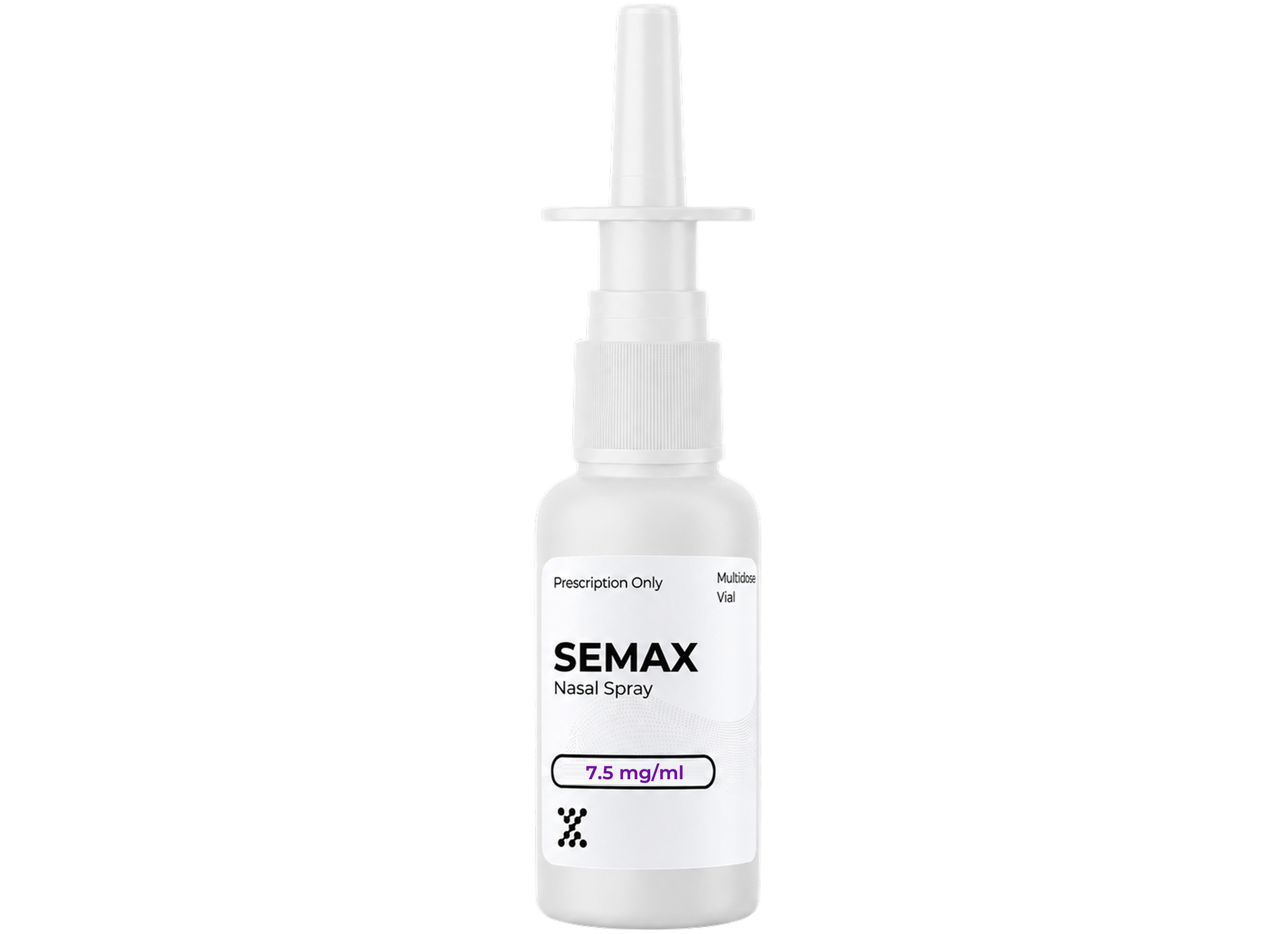
Semax is a synthetic nootropic peptide made of seven amino acids (Met-Glu-His-Phe-Pro-Gly-Pro). It is built from a fragment of adrenocorticotropic hormone (ACTH), with a stabilizing Pro-Gly-Pro sequence added to extend its activity. Unlike ACTH, Semax does not stimulate the adrenal glands or raise cortisol. Instead, it has been studied for its effects on the brain, including increasing brain-derived neurotrophic factor (BDNF), a protein that supports the growth, survival, and connectivity of nerve cells. Semax was developed in Russia, where it is used for stroke recovery and cognitive disorders. Semax is a compounded peptide and requires a prescription from a licensed physician. At REGENX Health, all Semax prescriptions are managed by a board-certified urologist for qualified candidates seeking therapy.
Benefits of Semax
In animal research, Semax increased BDNF and its receptor, TrkB, in the hippocampus, the brain region central to learning and memory, alongside improvements in learning performance (see the BDNF and TrkB study). It has also been shown to influence dopamine and serotonin signaling and to shift immune and vascular gene activity in the brain after injury. Semax may support the following:
- Improved focus, attention, and mental clarity
- Support for memory and learning
- Increased BDNF, which supports nerve cell health and connectivity
- Neuroprotection and support for recovery after brain injury or reduced blood flow
- Reduced mental fatigue during periods of high cognitive demand
- Greater resilience to stress (based on animal research)
Semax Dosage and Formulations
REGENX Health offers compounded Semax as a nasal spray solution. Your board-certified urologist determines the dose and schedule based on your goals, medical history, and candidacy for therapy.
Semax Nasal Spray Solution (7.5mg/mL, 6mL)
A 6mL multi-dose nasal spray containing Semax at a concentration of 7.5mg/mL. Intranasal delivery matches how Semax has been used in published human studies and in clinical practice in Russia. Semax is not FDA-approved, and there is no established U.S. dosing guideline, so your physician sets the number of sprays, frequency, and course length individually and adjusts them based on your response. Semax is typically used in short courses followed by a break rather than continuously.
Risks and Side Effects of Semax
Semax has been used clinically in Russia for years and is generally reported to be well tolerated. An independent evidence review by the Alzheimer’s Drug Discovery Foundation noted that the most commonly reported adverse events were related to the nasal route, along with increased blood glucose in some patients with diabetes (see the Cognitive Vitality report). Long-term effects and drug interactions have not been well studied, so all use requires physician supervision and informed consent.
Possible Side Effects
- Nasal irritation, dryness, or a runny nose
- Headache
- Restlessness, irritability, or a feeling of overstimulation
- Difficulty sleeping, particularly if taken later in the day
- Increased blood glucose in men with diabetes
Important Considerations
- Semax is not FDA-approved and is prescribed as a compounded peptide. Long-term safety data in humans are not yet established.
- Most human research on Semax was published in Russian and used the intranasal form. During every consultation, the potential benefits, risks, and limits of the current evidence are discussed in detail with the patient.
- Semax is not approved by the FDA or the European Medicines Agency, and anti-doping authorities may treat it as a prohibited non-approved substance (WADA S0). Competitive athletes subject to drug testing should not use it.
- Semax is not a substitute for evaluation of new or worsening memory problems, which should be assessed by a physician.
- Regular check-ins with your prescribing physician are required to assess response and safety throughout the course of treatment.
How Do You Take Semax
Nasal Spray
Semax is administered as a nasal spray. Gently blow your nose first, then insert the tip into one nostril, close the other nostril, and spray while breathing in gently through the nose. Alternate nostrils as directed and avoid blowing your nose right after dosing.
Frequency
Semax is typically taken once daily in short courses followed by a break. Clinical studies in Russia commonly used courses of about 10 days. Your urologist will advise on your exact schedule and course length throughout management and follow-up visits.
Timing
Most patients take Semax in the morning or early in the day, since some men notice a mild stimulating effect that can interfere with sleep if taken in the evening. Consistency in timing is more important than the specific time of day.
Storage
Keep the spray bottle refrigerated and protected from light. Do not freeze. Follow the beyond-use date on your pharmacy label.
Priming and Care
Prime the pump before first use by spraying into the air until a fine mist appears. Wipe the tip with a clean tissue after each use, replace the cap, and do not share your spray bottle.
Who Can Use Semax
- Men experiencing brain fog, reduced focus, or mental fatigue
- Men with demanding cognitive workloads who want support for attention and mental clarity
- Men interested in supporting long-term brain health and neuroprotection as they age
- Men under sustained work or life stress who want support for mental resilience
- Men on testosterone replacement therapy (TRT) or other peptide protocols who want to add cognitive support
Who Should Not Take Semax
- Men with a seizure disorder or an unstable psychiatric condition, given Semax’s effects on brain signaling and the limited safety data
- Men with poorly controlled diabetes, since increases in blood glucose have been reported
- Men with a recent stroke or other acute neurological event, who should be managed by a neurologist
- Competitive athletes subject to WADA or similar anti-doping regulations
- Individuals with known hypersensitivity to any component of the compounded formulation
- Anyone not under direct physician supervision, as Semax requires a prescription and medical monitoring
What Do You Need to Monitor on Semax
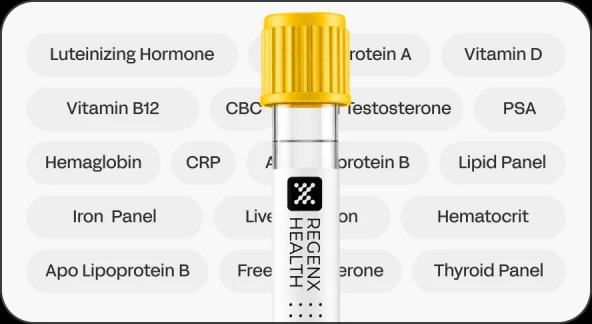
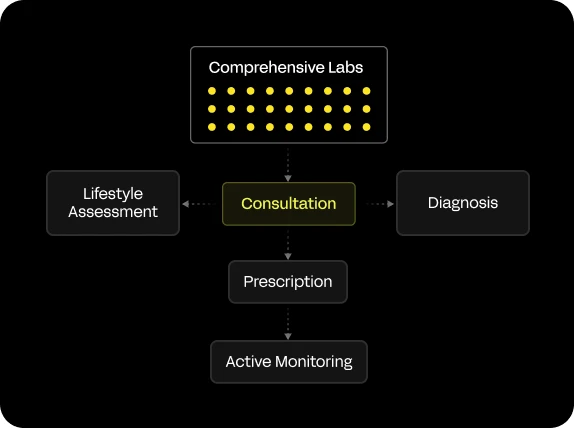
REGENX Health uses a lab-guided approach throughout every peptide protocol. Your board-certified urologist reviews your lab values before starting therapy and at scheduled intervals to track response and safety.
- Fasting Glucose and HbA1c: Monitor blood sugar, particularly in men with diabetes or prediabetes
- CMP (Comprehensive Metabolic Panel): Liver enzymes (ALT, AST) and kidney function
- CBC (Complete Blood Count): Assess baseline blood health
- Total and Free Testosterone: Baseline and periodic monitoring for all men, especially those on concurrent TRT
- PSA (Prostate-Specific Antigen): Included in the standard REGENX Health panel for all male patients
- Symptom Check-Ins: Focus, memory, mood, sleep quality, and any signs of overstimulation reviewed at follow-up visits
Clinical Research on Semax
The following research supports the clinical rationale for Semax. All studies are reviewed for relevance by the REGENX Health clinical team.
- Semax, an Analog of ACTH(4-10) With Cognitive Effects, Regulates BDNF and TrkB Expression in the Rat Hippocampus (Dolotov et al., 2006) - Found that Semax increased BDNF and its receptor TrkB in the hippocampus, alongside improved learning performance in rats.
- The Peptide Semax Affects the Expression of Genes Related to the Immune and Vascular Systems in Rat Brain Focal Ischemia (Medvedeva et al., 2014) - A genome-wide analysis showing that Semax shifted immune and vascular gene activity in the brain after reduced blood flow, supporting its neuroprotective rationale.
- The Efficacy of Semax in the Treatment of Patients at Different Stages of Ischemic Stroke (Gusev et al., 2018) - A Russian clinical study of stroke patients that found Semax treatment was associated with increased BDNF levels, supporting its use in stroke rehabilitation in Russia.
- Effects of Semax on the Default Mode Network of the Brain (Lebedeva et al., 2018) - A pilot fMRI study in healthy volunteers showing that Semax altered activity in the brain’s default mode network, a system involved in attention and memory.
- Semax: Cognitive Vitality for Researchers (Alzheimer’s Drug Discovery Foundation) - An independent review of the Semax evidence base. It concluded that Semax has neurotrophic effects without ACTH’s hormonal activity, but that human evidence for cognitive benefits in healthy people remains limited.
Frequently Asked Questions About Semax Nasal Spray
What is Semax?
Semax is a synthetic seven-amino-acid peptide derived from a fragment of adrenocorticotropic hormone (ACTH). It keeps ACTH’s effects on the brain without its hormonal effects on the adrenal glands. Semax is studied for its ability to increase BDNF and support focus, memory, and neuroprotection. At REGENX Health, it is prescribed as a compounded nasal spray for qualified men.
What are the benefits of Semax?
Research suggests Semax may improve focus and attention, support memory and learning, reduce mental fatigue, and protect nerve cells by increasing BDNF. Most of this evidence comes from animal studies and small human studies conducted in Russia, so results in healthy adults are still being studied.
What is the difference between Semax and Selank?
Both are synthetic peptides developed in Russia, but they work differently. Semax is derived from ACTH and is primarily studied for focus, memory, and neuroprotection. Selank is derived from tuftsin, an immune peptide, and is primarily studied for its calming, anti-anxiety effects. Your physician can explain which, if either, fits your goals.
Why is Semax given as a nasal spray?
Most published human research used Semax intranasally, which is also how it is used in Russia. The nasal route is needle-free and is thought to allow the peptide to reach the brain more directly. REGENX Health offers Semax as a 7.5mg/mL nasal spray, and your physician will explain how many sprays to use and when.
What are the side effects of Semax?
Semax is generally reported to be well tolerated. Possible side effects include nasal irritation, headache, restlessness or overstimulation, and trouble sleeping if taken late in the day. Increases in blood glucose have been reported in some patients with diabetes. Long-term human safety data are limited, which is why physician supervision is required.
Do I need a prescription for Semax?
Yes. Semax is not FDA-approved and is prescribed as a compounded peptide through a licensed physician. At REGENX Health, a board-certified urologist evaluates your medical history before prescribing and manages your protocol from start to finish.
Can Semax be combined with TRT or other peptides?
Yes, Semax is sometimes added to a testosterone replacement therapy protocol or used alongside other peptides as part of a broader health plan. Your physician reviews all active therapies to check for overlap or interactions.
How long does it take to see results from Semax?
Some men report changes in focus and mental clarity within the first several days of a course. Effects related to BDNF and nerve cell support are thought to build over a longer period. Results vary based on individual response, sleep, stress, and overall health.
What does Semax cost?
Pricing depends on your dose, frequency, and course length. Semax is included in REGENX Health’s peptide catalog and is discussed during your consultation. Because it is a compounded prescription, cost is separate from insurance coverage in most cases. Contact REGENX Health directly for current pricing and to confirm whether your HSA/FSA can be applied.
Where can I get a Semax prescription near me?
REGENX Health operates as a fully virtual practice, so you don’t need to find a clinic near you. Your initial consultation with a board-certified urologist is conducted via Zoom. Once your labs are reviewed and a prescription is issued, your medication is shipped directly to your door via 2-day delivery. Treatment is prescribed by a board-certified urologist only for eligible patients residing in states where such services are permitted under applicable state medical licensing laws and regulations.