











Tesamorelin (Egrifta) is a synthetic analog of growth hormone-releasing hormone (GHRH) that stimulates the pituitary gland to produce and secrete growth hormone in a pulsatile, physiologic pattern. Unlike direct growth hormone injections, tesamorelin works through your body's own feedback system, raising IGF-1 and GH levels without bypassing hypothalamic regulation. It was FDA-approved in 2010 under the brand name Egrifta and remains the only GHRH analog to achieve that designation. At REGENX Health, Tesamorelin is prescribed by a board-certified urologist as part of a lab-monitored protocol targeting visceral fat, body composition, and metabolic health in men.
Benefits of Tesamorelin
Tesamorelin's benefits are grounded in some of the most robust peptide trial data available. Phase III randomized controlled trials in over 800 patients showed consistent reductions in visceral adipose tissue, improved lipid profiles, and raised IGF-1 levels, with results maintained through 52 weeks of continuous treatment.
- Selective reduction in visceral (abdominal) fat
- Improved IGF-1 and growth hormone levels
- Better lipid profile: lower triglycerides and improved cholesterol ratios
- Reduced waist circumference and waist-to-hip ratio
- Increased skeletal muscle density and lean muscle area
- Potential reduction in liver fat (hepatic steatosis)
- Improved body image and quality-of-life markers
- Cognitive benefits via IGF-1 normalization, including executive function support
Tesamorelin Dosage and Formulations
REGENX Health offers Tesamorelin as a prescription subcutaneous injectable, with your board-certified urologist selecting the dosage based on your labs, body composition goals, and clinical response. The standard dosing protocol follows the Phase III trial design that demonstrated sustained visceral fat reduction over 26 to 52 weeks.
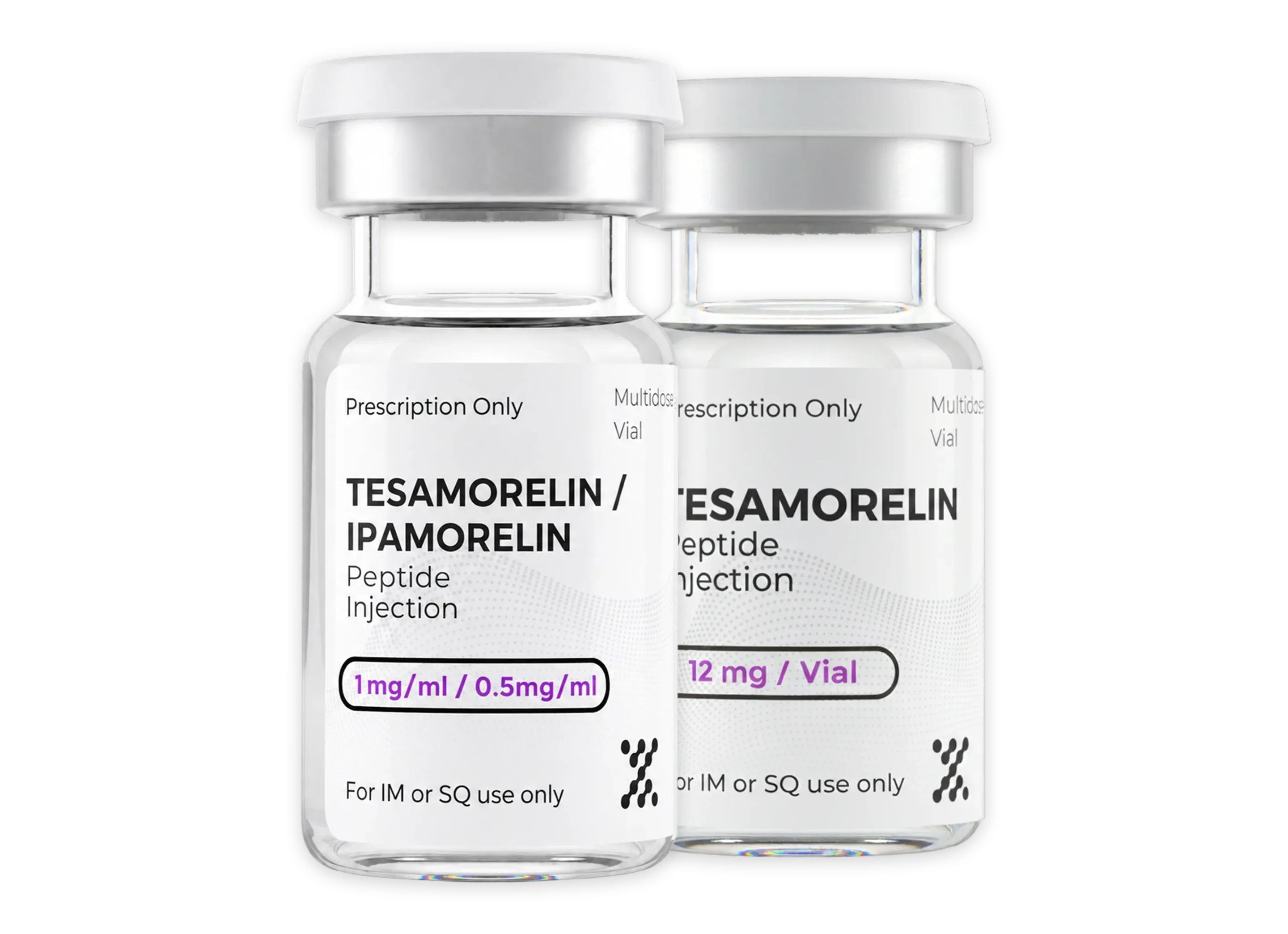
Tesamorelin Injectable Vial (2mg)
The clinical-standard formulation, dosed at 2mg subcutaneously once daily. This is the dosage used across all pivotal Phase III trials and the only formulation with FDA approval for visceral fat reduction. It is the primary option for men on a tesamorelin protocol at REGENX Health.
Tesamorelin Injectable Vial (12mg)
The clinical-standard formulation is dosed subcutaneously once daily. This is the dosage used across all pivotal Phase III trials and the only formulation approved by the FDA for visceral fat reduction.
Risks and Side Effects of Tesamorelin
Tesamorelin was generally well-tolerated across the Phase III trials, with no clinically significant changes in fasting glucose or glucose tolerance at the 2mg daily dose over 26 to 52 weeks. The most commonly reported events were mild and local, occurring at the injection site.
Possible Side Effects:
- Injection site reactions: redness, swelling, or itching at the administration site
- Peripheral edema (fluid retention), particularly in the hands or feet
- Arthralgia (joint pain or stiffness), especially in the wrists and knees
- Myalgia (muscle aches), typically mild and transient
- Elevated IGF-1 levels above the age-adjusted normal range
- Glucose intolerance or insulin resistance in patients with pre-diabetes or metabolic risk factors
Important Considerations:
- Long-term cardiovascular safety data beyond 52 weeks has not been established; ongoing monitoring is required
- Tesamorelin should not be used in patients with active malignancy, as GH stimulation may theoretically influence tumor growth
- VAT reduction is not maintained after discontinuation of tesamorelin; visceral fat typically returns toward baseline within 6 to 12 months of stopping treatment
How Do You Take Tesamorelin
Subcutaneous Injection
Tesamorelin is self-administered as a subcutaneous injection using a small insulin-type needle. The standard clinical dose is 2mg injected once daily into the abdominal subcutaneous tissue. Best practice is to inject in the evening, roughly 30 minutes before bed, to align with the body's natural overnight GH secretion pattern. Avoid injecting directly into the navel or areas with scar tissue. Rotate injection sites within the abdomen to minimize local reactions. Tesamorelin comes as a lyophilized powder that must be reconstituted with the supplied diluent before injection. Once reconstituted, it should be refrigerated and used within the manufacturer's recommended use date. Do not inject Tesamorelin into a muscle or a vein.
Who Can Use Tesamorelin
- Men with excess visceral fat, particularly abdominal fat accumulation unresponsive to diet and exercise
- Men with low or low-normal IGF-1 levels who want to restore GH axis function without exogenous GH
- Men on TRT who want to target visceral fat and body composition alongside their testosterone protocol
- Men with metabolic risk factors such as elevated triglycerides, unfavorable cholesterol ratios, or increased waist circumference
- Men interested in the cognitive and body composition benefits of IGF-1 normalization under physician supervision
- Men who want an FDA-studied GHRH peptide with Phase III data rather than a research-only compound
Who Should Not Take Tesamorelin
- Patients with active cancer or a history of malignancy that has not been fully resolved and treated
- Patients with pituitary gland tumors, pituitary surgery, or other disorders affecting pituitary function
- Patients with uncontrolled diabetes or severe glucose intolerance, as tesamorelin may increase insulin resistance
- Women who are pregnant or breastfeeding (animal studies showed developmental toxicity; no human data available)
- Patients allergic to tesamorelin or any component of the Egrifta formulation
- Anyone not under the supervision of a licensed physician, given the requirement for reconstitution, injection technique, and lab monitoring
What Do You Need to Monitor on Tesamorelin
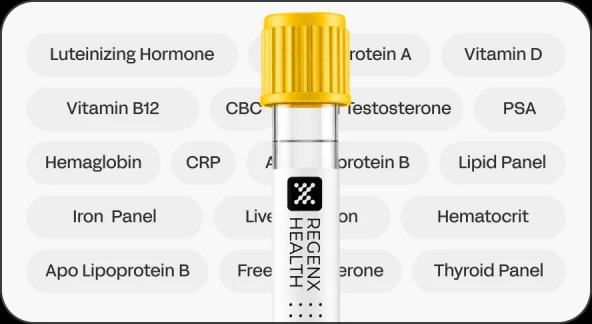
REGENX Health uses lab-guided protocols for Tesamorelin therapy. Your board-certified urologist monitors your response and safety through routine bloodwork aligned with the clinical trial monitoring standards used in the Phase III Egrifta studies.
- IGF-1: primary marker for GH axis response; tracked to confirm therapeutic effect and prevent supraphysiologic elevation
- Fasting glucose and HbA1c: tesamorelin can affect glucose metabolism, particularly in men with pre-diabetes or metabolic syndrome
- Lipid panel (triglycerides, total cholesterol, LDL, HDL): tesamorelin improves lipid profiles; baseline and follow-up data confirm cardioprotective benefit
- Waist circumference and body composition (or imaging where appropriate): clinical endpoint to measure visceral fat response over 26 to 52 weeks
- CBC (complete blood count) and comprehensive metabolic panel: standard safety baseline and ongoing monitoring
- If added with TRT: total testosterone, free testosterone, estradiol, hematocrit tracked concurrently by your urologist
Clinical Research on Tesamorelin
The following research supports the clinical rationale for tesamorelin. All studies are reviewed for relevance by the REGENX Health clinical team.
- Metabolic Effects of a Growth Hormone-Releasing Factor in Patients with HIV (Falutz et al., 2007). Landmark New England Journal of Medicine RCT in 412 patients showing tesamorelin at 2mg/day reduced visceral fat and improved lipid profiles over 26 weeks without worsening glucose tolerance.
- Pooled Analysis of Two Phase 3 Trials of Tesamorelin in HIV Patients with Excess Abdominal Fat (Falutz et al., 2010). Pooled data from 806 patients showing tesamorelin maintained visceral fat reductions of up to 17.5% through 52 weeks with sustained improvements in triglycerides, waist circumference, and body image.
- Effect of Tesamorelin on Visceral Fat and Liver Fat in HIV-Infected Patients (Stanley et al., 2014). Randomized clinical trial demonstrating tesamorelin significantly reduced both visceral adipose tissue and liver fat over 6 months, with liver fat declining in the tesamorelin group relative to placebo.
- Tesamorelin Decreases Muscle Fat and Increases Muscle Area in Adults with HIV (Adrian et al., 2019). Secondary analysis of Phase III trial data showing that tesamorelin responders had significantly greater increases in skeletal muscle density and lean muscle area across multiple truncal muscle groups compared to placebo.
- Effects of Growth Hormone-Releasing Hormone on Cognitive Function in Adults with Mild Cognitive Impairment (Baker et al., 2012). Randomized, placebo-controlled trial in 152 older adults showing 20 weeks of GHRH (tesamorelin) improved executive function composite scores, with benefits correlating to IGF-1 normalization.
Frequently Asked Questions About Tesamorelin (Egrifta)
What is Tesamorelin?
Tesamorelin is a synthetic GHRH analog composed of the full 44 amino acid sequence of human growth hormone-releasing hormone, modified with a hexenoyl trans-3 fatty acid group to resist enzymatic breakdown and extend its half-life. It binds to GHRH receptors in the pituitary, stimulating pulsatile growth hormone release. The FDA approved it in 2010 under the brand name Egrifta for reduction of excess abdominal fat. At REGENX Health, it's used as part of a physician-managed protocol to target visceral fat, improve body composition, and optimize IGF-1 levels.
What are the benefits of Tesamorelin therapy?
The primary benefit of Tesamorelin is selective visceral fat reduction. Phase III trials showed VAT reductions of 15 to 20% over 26 weeks, with improvements in triglycerides, cholesterol ratios, and waist circumference. Secondary benefits include increased lean muscle density, normalized IGF-1 levels, potential reductions in liver fat, and improved body image scores. Some research also points to executive function benefits linked to IGF-1 restoration in older adults.
How is Tesamorelin administered?
Tesamorelin is administered as a subcutaneous injection, self-administered daily. The vial contains lyophilized (freeze-dried) powder that you reconstitute with the provided diluent before injecting. The injection is typically given in the evening before bed into the abdomen, rotating sites to avoid tissue buildup. The needle is small and the technique is the same as a standard insulin injection. REGENX Health provides full reconstitution supplies and injection instructions with your prescription.
What are the side effects of Tesamorelin?
The most common side effects are injection site reactions including redness, swelling, or mild discomfort. Some patients experience peripheral edema (fluid retention), arthralgia (joint pain), or myalgia (muscle aches) in the early weeks of treatment. Tesamorelin can raise IGF-1 above the age-adjusted normal range, which requires monitoring. Glucose intolerance is a risk in men with pre-existing metabolic syndrome or pre-diabetes. Most side effects are dose-dependent and manageable under physician supervision.
How long does Tesamorelin take to work?
IGF-1 levels typically rise within the first 2 to 4 weeks of daily dosing. Measurable reductions in visceral fat are usually detectable by 12 weeks, with peak effects seen between 26 and 52 weeks of continuous treatment. Results in waist circumference and lipid profiles tend to become clinically apparent in the 3 to 6 month range. Tesamorelin's effects on visceral fat are not permanent and require continued treatment to maintain. Your urologist tracks response through labs and body composition assessments.
Can Tesamorelin be combined with TRT or other peptides?
Yes. Tesamorelin can be added effectively with TRT because testosterone and GH work through complementary pathways, one driving anabolic muscle signaling and the other promoting fat oxidation and GH axis optimization. At REGENX Health, patients on TRT who add Tesamorelin often see improved body composition results: leaner midsection, better muscle-to-fat ratio, and improved metabolic markers. Tesamorelin can also be added with other GH peptides, though your urologist will assess whether combination GH therapy is appropriate and clinical assessment.
Do I need a prescription for Tesamorelin?
Yes. Tesamorelin (Egrifta) is a prescription peptide and requires physician oversight for safe use. At REGENX Health, your board-certified urologist reviews your labs and health history before prescribing. Tesamorelin requires reconstitution and subcutaneous injection, and ongoing IGF-1 and glucose monitoring is necessary throughout treatment. Sourcing Tesamorelin without a prescription from unregulated suppliers carries significant risk of receiving a product with incorrect purity, potency, or sterility.
Where can I get Tesamorelin near me?
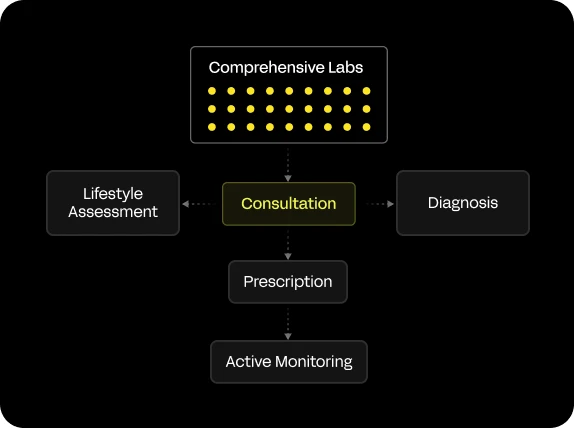
REGENX Health offers convenient online access to Tesamorelin therapy prescribed by a board-certified urologist for eligible patients across the United States, in accordance with applicable state licensing regulations. There's no physical clinic visit required. Your consultation, lab review, and prescription are all handled through secure telehealth. Once prescribed, Tesamorelin is compounded and shipped directly to your door. If you've been searching for Tesamorelin near me or looking to buy tesamorelin online, REGENX Health provides a physician-supervised option with full lab monitoring.
What does Tesamorelin cost?
Tesamorelin cost depends on the dosage protocol. and whether insurance applies. At REGENX Health, your urologist discusses the cost of Tesamorelin therapy during your consultation, including the compounding pharmacy pricing and any associated lab or visit fees. Egrifta cost as a brand-name product is typically significantly higher than compounded Tesamorelin from a licensed pharmacy. Reach out to REGENX Health directly for current pricing.
How does Tesamorelin compare to Sermorelin?
Tesamorelin and Sermorelin are both synthetic GHRH analogs designed to stimulate endogenous growth hormone release from the pituitary gland. Despite sharing this core mechanism, they differ in several important ways, including their molecular structure, downstream signaling pathways, potency in raising IGF-1 levels, and depth of clinical evidence and approved indications.
Tesamorelin is a full-length 44-amino acid GHRH analog modified with a fatty acid chain that enhances its stability and half-life. In contrast, Sermorelin is a shorter, truncated 29-amino acid fragment of GHRH.
Tesamorelin is the only GHRH analog with FDA approval and is supported by robust Phase III clinical trial data involving over 800 patients, demonstrating significant reductions in visceral adipose tissue (VAT). Sermorelin has a longer history of clinical use and is backed by research showing benefits for growth hormone optimization, improved sleep quality, and overall recovery.
Your board-certified urologist at REGENX Health will recommend the most appropriate GHRH peptide based on your individual goals, lab results, and clinical indications.
Is Tesamorelin used in bodybuilding?
Tesamorelin is primarily known for its visceral fat-reducing effects rather than direct muscle-building applications. However, its ability to raise IGF-1, improve lean muscle density, and optimize growth hormone secretion makes it relevant for body composition goals beyond just fat loss. Some men use tesamorelin to lean out while maintaining or building muscle, particularly when stacked with TRT. It is not a direct anabolic agent like exogenous testosterone or HGH, but its impact on body composition, fat distribution, and IGF-1 makes it useful in a comprehensive performance-oriented protocol.